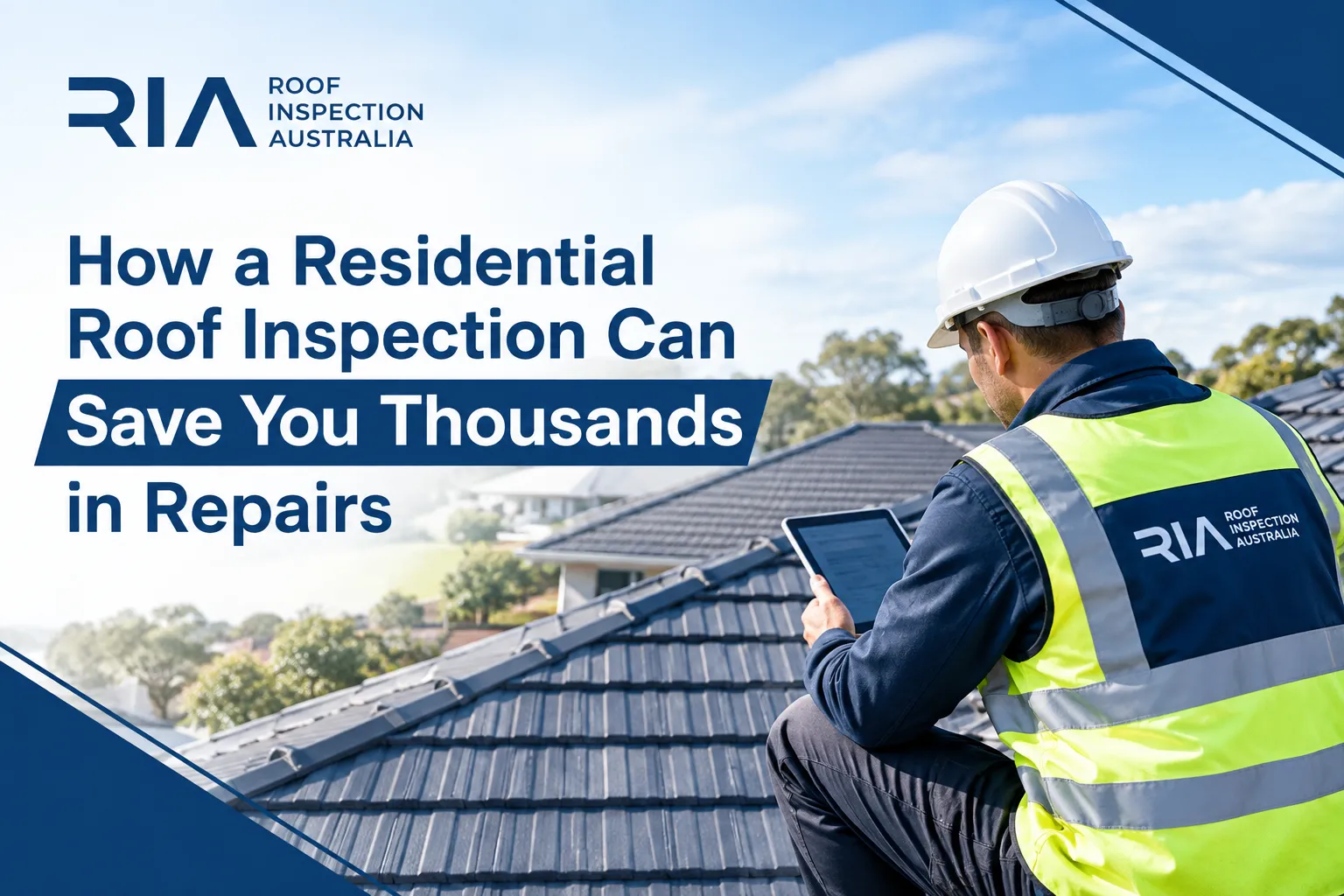

Your roof is one of the most important parts of your home. It protects your family, belongings, walls, ceilings, and structure from weather and moisture. However, many roofing problems begin as small defects that are easy to overlook. A cracked tile, damaged flashing, blocked drainage point, or loose roofing material can gradually develop into a much more expensive issue.
This is where a residential roof inspection can make a significant difference. Regular inspections help homeowners identify developing problems early, understand the condition of their roof, and plan maintenance before minor defects turn into major repairs.
What Is a Residential Roof Inspection?
A residential roof inspection is a detailed assessment of a home's roof and related components. A qualified roof inspector examines visible roofing materials, flashing, gutters, drainage areas, penetrations, joints, roof edges, and other accessible components.
The purpose is not simply to look for obvious damage. An inspection can help identify early signs of deterioration, moisture entry, installation defects, ageing materials, and areas that may require monitoring or maintenance.
A professional inspection may also include photographs and a written report explaining the observed condition of the roof. This gives homeowners useful information for making informed maintenance decisions.
Small Problems Can Become Expensive
One of the main ways a residential roof inspection can save money is by identifying problems while they are still relatively small.
For example, a minor flashing defect may allow water to enter during heavy rain. Initially, the issue may only cause a small stain on a ceiling. If the water continues to enter, however, moisture can affect insulation, plasterboard, timber, and other building materials.
Similarly, a cracked or displaced roof tile may appear insignificant. But if it allows repeated water entry, the resulting damage can extend beyond the roof itself.
Early identification gives homeowners an opportunity to address the underlying problem before additional parts of the property are affected.
Preventing Water Damage
Water is one of the biggest concerns for residential roofs. Even a small opening can allow moisture into areas that are difficult to see.
During a residential roof inspection, an inspector can look for visible indicators of water entry, such as damaged roof materials, deteriorated flashing, staining, blocked drainage paths, or areas where water may collect.
Finding these issues early can help reduce the risk of damage to ceilings, walls, insulation, timber, and internal finishes. Preventing secondary damage can be considerably more cost-effective than repairing multiple affected areas after a leak has continued for an extended period.
Extending the Life of Your Roof
Every roof has a finite service life, but proper maintenance can help maximise the value of the existing system.
Regular inspections can help homeowners understand how their roof is ageing. Instead of waiting until a major failure occurs, they can identify areas that may need attention and plan maintenance accordingly.
A roof condition assessment can also help determine whether a roof requires immediate attention or simply needs ongoing monitoring. This can help homeowners avoid unnecessary replacement when targeted maintenance may be appropriate.
Helping You Prioritise Repairs
Not every roofing defect requires immediate repair. Some issues may be more urgent than others, depending on their location, severity, and potential consequences.
A professional residential roof inspection can provide information that helps homeowners prioritise their roofing needs.
For example, an inspection may identify several observations, including minor material deterioration, blocked gutters, damaged flashing, and more significant areas of concern. Understanding which issues present the greatest risk can help homeowners allocate their repair budget more effectively.
Instead of reacting to problems as they appear, homeowners can take a planned approach to roof maintenance.
Avoiding Emergency Repair Costs
Emergency roofing work can be disruptive and expensive. When a significant leak occurs during severe weather, homeowners may have limited time to investigate the cause and organise repairs.
Routine inspections can help reduce the likelihood of unexpected roofing emergencies by identifying developing defects before they become urgent failures.
This does not mean inspections can prevent every roofing problem. Severe storms, falling branches, ageing materials, and other unexpected events can still cause damage. However, maintaining awareness of the roof's condition can help reduce avoidable surprises.
Useful When Buying or Selling a Home
A residential roof inspection can also be valuable during a property transaction.
For buyers, understanding the condition of the roof can provide important information before committing to a property. A roof that appears fine from ground level may have defects that are not immediately obvious.
For sellers, an inspection can help identify roofing issues that may need attention before listing the property. Having clear information about the roof's condition can also support more informed discussions during the sales process.
What Does an Inspection Usually Look At?
The exact scope depends on the property and access conditions, but a residential roof assessment may consider:
- Roof covering and visible material condition
- Flashings and roof junctions
- Gutters and drainage components
- Roof penetrations
- Roof edges and exposed areas
- Visible signs of water entry
- Deterioration and weather-related damage
- Loose, cracked, or displaced materials
- Previous repair areas
- General roof condition and maintenance concerns
A professional report can document significant observations and provide a clearer picture of the roof's current condition.
How Often Should You Inspect Your Roof?
The appropriate inspection frequency depends on factors such as the roof's age, materials, local weather conditions, previous repairs, and exposure to severe weather.
Homeowners should also consider an inspection after significant storms or when they notice signs such as water stains, mould, unusual roof movement, damaged materials, or recurring leaks.
Regular inspections are particularly useful for older roofs because deterioration can become more difficult to manage as materials approach the end of their serviceable life.
The Long-Term Value of Early Detection
The cost of an inspection is relatively small compared with the potential cost of extensive roof and building repairs. More importantly, an inspection provides information that helps homeowners make decisions based on the actual condition of their property.
A residential roof inspection is therefore not simply an expense. It can be a practical part of a long-term property maintenance strategy.
By identifying defects early, monitoring roof deterioration, prioritising maintenance, and addressing water-entry risks, homeowners can potentially avoid the much larger costs associated with neglected roofing problems.
Final Thoughts
Your roof protects almost everything beneath it, but roofing problems are not always visible from the ground. Small defects can gradually develop into leaks, structural concerns, and costly internal damage.
A professional roof inspection report Australia helps homeowners understand what is happening on their roof before problems become more difficult and expensive to address. With regular assessments and planned maintenance, homeowners can protect their property, manage repair budgets more effectively, and potentially extend the useful life of their roofing system.
For homeowners, investing in early roof assessment can be a practical way to reduce unexpected repair costs and maintain confidence in the condition of one of the home's most important protective systems.
























Sign in to leave a comment.