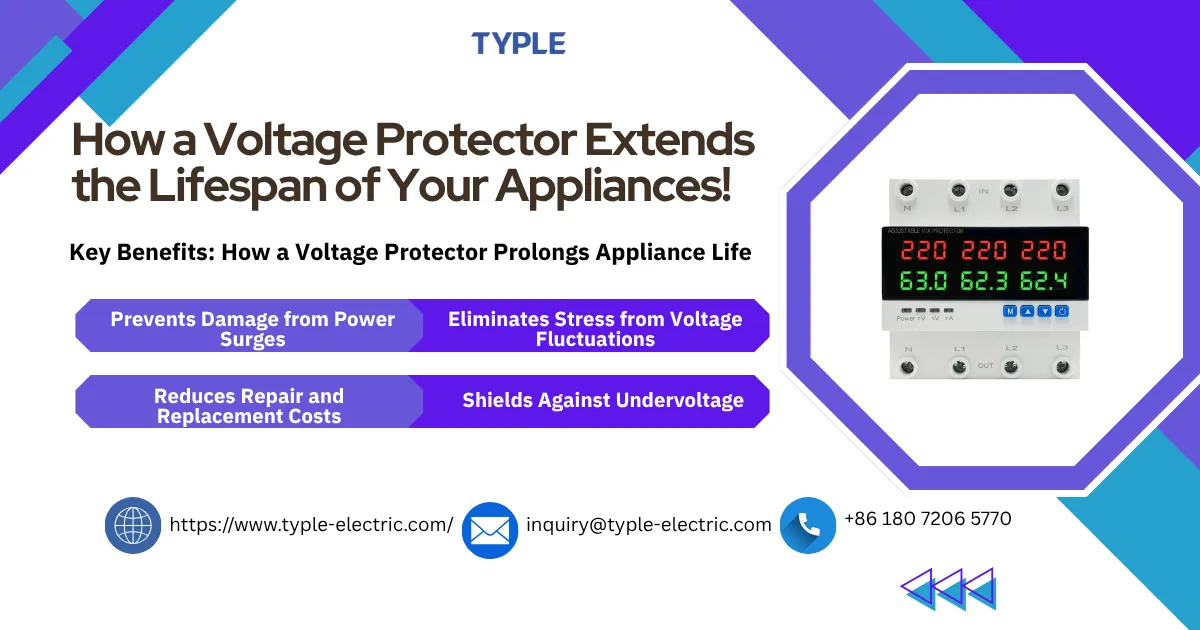

In an age where technology permeates every aspect of modern living, our reliance on electrical appliances has never been greater. From refrigerators and air conditioners to computers, televisions, and advanced kitchen gadgets, these devices have become essential to our comfort, productivity, and convenience. However, alongside this growing dependence comes the increased risk of damage caused by unstable electrical supply. Here, the humble yet powerful voltage protector emerges as a critical ally, safeguarding your investments and ensuring your appliances serve you for years to come.
The Challenge: Unstable Power Supply and Appliance Vulnerability
To appreciate the importance of a voltage protector, one must first recognize the challenges posed by an uneven or unreliable power supply. Electrical grids, especially in regions susceptible to power surges, voltage fluctuations, brownouts, and sudden outages, introduce significant risks to plugged-in devices. Even the most advanced appliance is generally designed for a specific voltage range, beyond which its electronic components may overheat, degrade, or suffer irreversible damage.
Voltage spikes—brief surges well above the normal voltage level—can occur for many reasons, such as lightning strikes, power restoration after outages, or switching large loads on the grid. Conversely, voltage drops (or “sags”) may cause motors and compressors to operate inefficiently, straining electrical circuits and shortening overall lifespan. Over time, the cumulative stress of these irregularities can lead to frequent breakdowns, expensive repairs, or premature replacement of home and office equipment.
Transitioning to a more stable and protected environment, therefore, begins with a simple but effective solution: the voltage protector.
Understanding the Voltage Protector: What Is It and How Does It Work?
At its core, a voltage protector is an electronic device designed to detect abnormal voltage levels—both high and low—and promptly disconnects power to sensitive appliances until normal conditions are restored. Combining rapid response with intelligent sensing, voltage protectors act as a vigilant gatekeeper, ensuring only safe, stable power reaches your electronics.
When the incoming voltage strays outside a predetermined safe range, the voltage protector rapidly cuts off the electrical supply to the connected load. Once the supply stabilizes, the device automatically reconnects, often following a brief delay to ensure conditions remain normal. This rapid protection cycle prevents harmful voltage from reaching your appliances, safeguarding them from the silent killers of modern electrical systems: surges, brownouts, and spikes.
Typical voltage protectors utilize microcontrollers and relay mechanisms, working with precision and reliability. Over time, they have evolved from basic plug-in units to sophisticated, networked devices integrated into smart home and industrial systems.

Key Benefits: How a Voltage Protector Prolongs Appliance Life
The benefits of employing a voltage protector extend far beyond simply preventing catastrophic appliance failures. Let’s explore how this modest device serves as a cost-effective insurance policy for your electronics:
1. Prevents Damage from Power Surges
Spikes in power supply can instantly destroy delicate electronic components within appliances. A voltage protector isolates appliances from the grid during such events, ensuring nothing but safe power reaches them.
2. Eliminates Stress from Voltage Fluctuations
Repeated exposure to voltage variations degrades components, coils, and circuit boards. By intervening whenever voltage strays from normal, the voltage protector reduces long-term wear and tear.
3. Shields Against Undervoltage
Operating under low voltage can cause motors and compressors (such as in refrigerators and air conditioners) to stall and overheat. Voltage protectors disconnect the device before this damage can occur, maintaining appliance efficiency.
4. Delivers Peace of Mind and Convenience
Voltage protectors automate the process of power disconnection and reconnection, requiring no manual intervention. Users need not worry about unplugging devices during storms or after power outages.
5. Reduces Repair and Replacement Costs
By greatly minimizing the risk of damage, a voltage protector extends the functional life of your valuable appliances, leading to fewer breakdowns, lower maintenance bills, and a delay in costly replacements.
6. Energy Efficiency and Eco-Friendliness
Reduced incidences of damaged appliances result not only in savings but also a smaller environmental footprint, as fewer stressed or broken devices end up in landfills.
Applications of Voltage Protectors: Where and Why to Use Them
A voltage protector’s versatility means it finds a role in diverse settings beyond the home. Here are just some scenarios where a voltage protector proves indispensable:
Residential Use
- Refrigerators/Freezers: Compressors are particularly sensitive to voltage fluctuations, with premature failure leading to food waste and major costs.
- Air Conditioners: Motor-driven units are vulnerable to both surges and sags.
- Entertainment Systems: TVs, gaming consoles, and sound equipment contain fragile circuitry easily damaged by spikes.
- Computers and Networking Devices: Data loss, hardware failure, and reduced lifespan are common risks from voltage instability.
- Kitchen Appliances: Microwaves, washing machines, and dishwashers all benefit from regulated input.
Commercial Settings
- Offices and IT Rooms: Servers, printers, and point-of-sale devices require uninterrupted, clean power.
- Retail Stores: Refrigeration, signage, and display lighting are business-critical.
- Medical Facilities: Sensitive instruments must remain protected from unpredictable supply.
- Restaurants & Hospitality: Ensuring smooth, reliable operation of all kitchen and service equipment.
Industrial and Energy Solutions
- Motors and Pumps: Key production assets must withstand challenging grid conditions.
- Control Panels: Prevent widespread failure across automation systems.
- Renewables & New Energy Technologies: Inverters, battery systems, and control units rely on stable voltage for safety and efficiency.
At Wenzhou Typle New Energy Technology Co., Ltd., our advanced voltage protector products are tailored to these diverse applications, providing configurable protection for different voltage thresholds and load types.
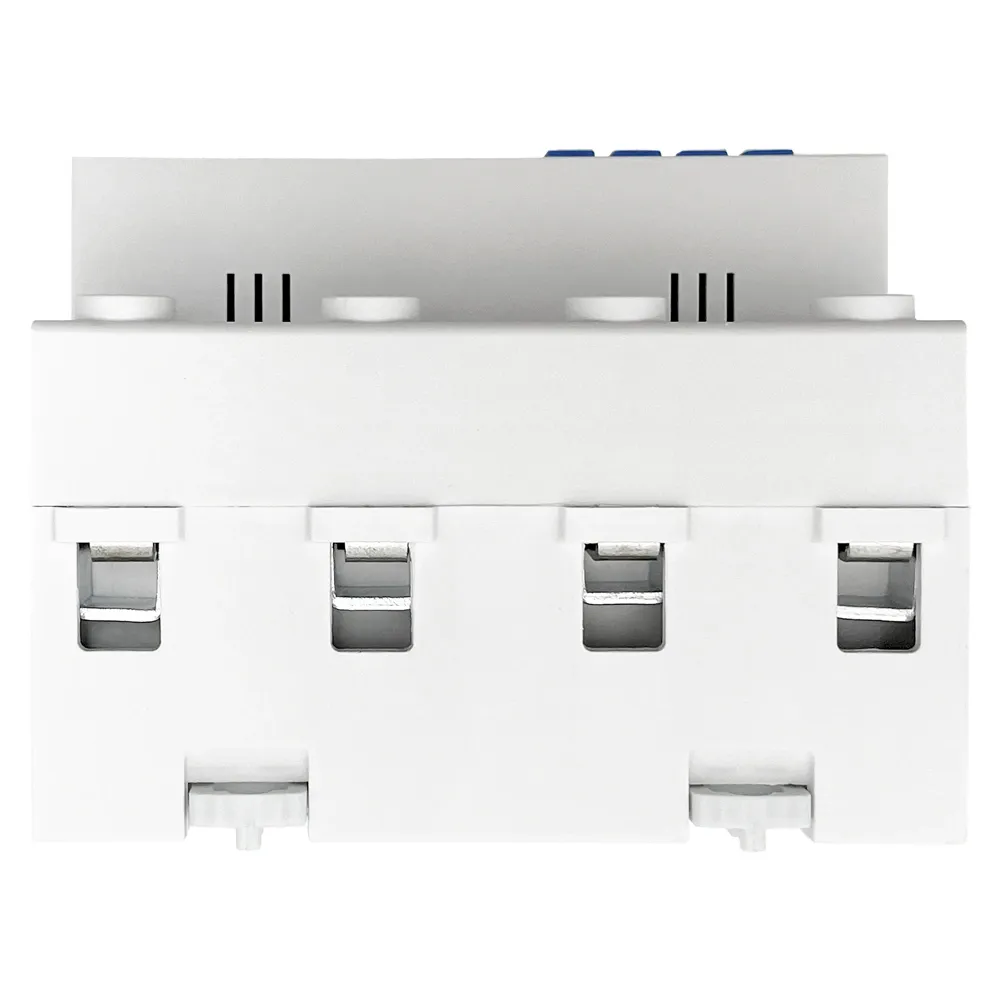
How Does a Voltage Protector Compare to a Surge Protector?
While sometimes used interchangeably, there’s an important distinction between a voltage protector and a standard surge protector. A surge protector typically absorbs or diverts excess voltage only during brief surges, such as those caused by lightning or switching. It is effective but limited to those instances.
On the other hand, a voltage protector continuously monitors the incoming voltage, disconnecting appliances both in the case of surges and during prolonged fluctuations, brownouts, or drops. This more holistic approach makes a voltage protector the superior choice in environments plagued by ongoing instability rather than just rare, transient surges.
How a Voltage Protector Works: A Closer Look
To truly appreciate the value of a voltage protector, let’s dissect its functioning step by step:
1. Continuous Voltage Monitoring:
The device is plugged into an outlet or wired into your main panel. Microprocessor-controlled circuits sense the exact voltage level in real-time.
2. Set Thresholds:
Users (or factories, depending on the model) set safe lower and upper voltage limits – for example, 180V and 260V for a 220V supply.
3. Rapid Disconnection:
If the supply voltage rises above or falls below these limits, the voltage protector activates its internal relay to disconnect the output, isolating your appliance.
4. Delay and Reconnection:
Once normal conditions return and are stable for a set delay (to prevent rapid on-off cycling), the voltage protector restores power to the appliance.
5. Indicator/Alarm:
Many modern voltage protectors include LED or LCD displays, audible alarms, or remote alerts to inform users of status and when unsafe conditions are present.
These features, engineered by Wenzhou Typle New Energy Technology Co., Ltd., reflect our dedication to workhand-in-hand with real-world conditions, delivering protection you can trust.
Choosing the Right Voltage Protector: Key Factors
Because not all voltage protectors are created equal, making the right selection is crucial. Consider the following when choosing a voltage protector for your application:
- Rated Voltage and Current Capacity: Must match the rating of the appliance. Overloading can undercut protection.
- Response Time: Fast reaction is essential—quality voltage protectors react in milliseconds.
- Programmable Thresholds: Adjustable settings offer flexibility for different devices and local grid conditions.
- Delay Timer: Important for appliances with compressors or motors to prevent short cycling after a brownout or outage.
- Display/Alarm Features: Useful for quickly spotting issues and verifying device status.
- Build Quality and Certifications: Look for CE, UL, IEC or national standards for proven reliability.
- Warranty and Support: Trust, after-sales service, and technical support (a priority at Wenzhou Typle) greatly increase peace of mind.
Best Practices: Installing and Using Your Voltage Protector
Even the highest-quality voltage protector can only do its job if installed and used correctly. Here are Wenzhou Typle’s best practices:
- Install the voltage protector as close to the appliance as possible (direct plug-in or hardwired connection).
- Choose a model rated for the appliance’s current draw and voltage.
- Don’t overload a single voltage protector with multiple high-powered devices.
- Regularly check the indicator to ensure that the device is operational.
- Consider whole-house voltage protectors for comprehensive protection in regions with unreliable power.
Small Device, Big Difference
The simple step of integrating a reliable voltage protector into your home or business marks a turning point in electrical safety and cost control. In protecting your appliances, you are also preserving comfort, productivity, and peace of mind for years to come. At Wenzhou Typle New Energy Technology Co., Ltd., we are proud to deliver advanced voltage protector solutions for every need, whether in single rooms, entire households, or large industrial settings.

Frequently Asked Questions (FAQ) about Voltage Protectors
Q1: Is a voltage protector better than using a simple power strip or surge protector?
A: While a power strip may provide multiple outlets and some surge absorption, it does not monitor voltage continuously or disconnect power during sustained fluctuations. Only a voltage protector ensures round-the-clock defense against all dangerous voltage conditions.
Q2: What appliances should always use a voltage protector?
A: Any appliance with sensitive electronics or motors—refrigerators, air conditioners, computers, TVs, washing machines, and networking equipment—will benefit most. In areas with frequent electrical instability, use a voltage protector on all major devices.
Q3: Can I use a voltage protector for my entire home?
A: Yes! There are whole-house voltage protector devices designed for panel installation, providing comprehensive protection against grid-wide fluctuations and surges. Wenzhou Typle offers solutions for every scale.
Q4: How long do voltage protectors last and do they need maintenance?
A: Quality voltage protectors, such as those from Wenzhou Typle, are engineered for years of reliable service. However, periodic inspection for physical damage, and ensuring indicator lights work, is recommended.
Q5: Do voltage protectors waste electricity or affect device performance?
A: Modern voltage protectors consume negligible power and do not impair device performance. On the contrary, they reduce energy and maintenance costs by preventing hidden damage.
Q6: Are voltage protectors compatible with all regions and voltages?
A: Models are available for all standard voltages (110V, 220V, etc.) and frequencies (50Hz, 60Hz). Always select one matched to your local electrical standard and application.
Q7: Can a voltage protector protect against lightning strikes?
A: Voltage protectors can shield against most surge events, but direct lightning strikes may overwhelm any device. Combine with a whole-house surge arrester for complete protection.
Q8: How fast does a voltage protector react to voltage problems?
A: Wenzhou Typle’s voltage protectors react within milliseconds, cutting off supply before damage can occur.
Q9: Why does my voltage protector delay restoring power after an outage?
A: This intentional delay avoids “short cycling” for appliances with motors or compressors, allowing time for the grid to stabilize and preventing mechanical stress.
Q10: Why trust Wenzhou Typle New Energy Technology Co., Ltd.?
A: Wenzhou Typle leads the field with innovative, rigorously tested, and globally certified voltage protectors, backed by expert technical support and responsive after-sales service.

























Sign in to leave a comment.