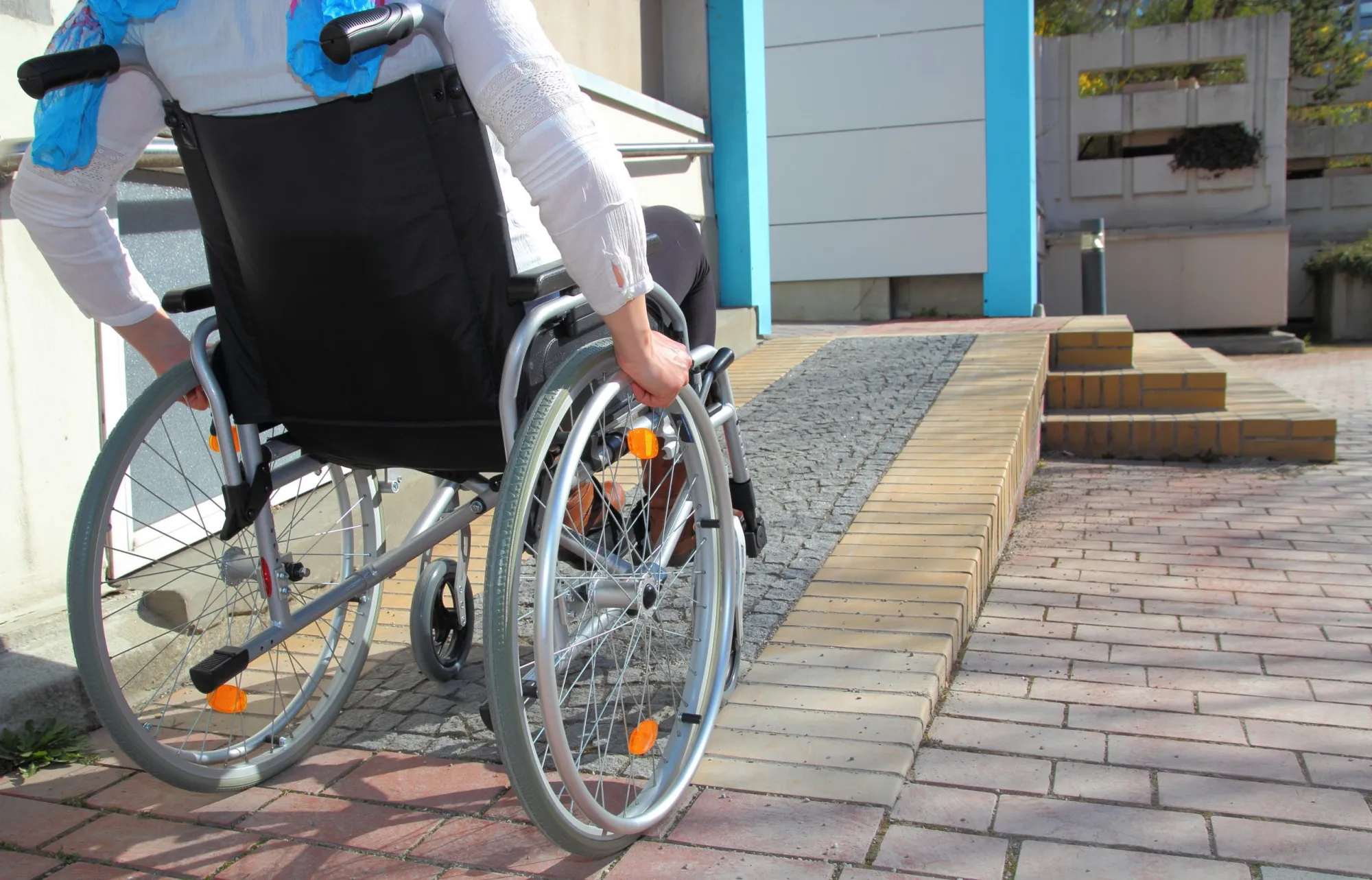

Having a home that suits a person's abilities can make everyday life considerably easier. For many people living with disability, suitable disability housing can provide more than a place to live; it can create an environment where daily activities are safer, routines are easier to manage, and greater independence becomes possible. The right home should support the way a person wants to live rather than creating unnecessary barriers.
Why the Home Environment Matters
We often take familiar household activities for granted. Opening a door, preparing a meal, moving between rooms, using a bathroom, or getting in and out of bed can become difficult when a home is not designed around someone's needs.
An accessible home aims to reduce these everyday obstacles. The layout, entrances, bathroom facilities, kitchen areas, lighting, and other features can all influence how easily someone can move around and complete daily tasks.
A suitable environment does not necessarily mean making every part of a home highly specialised. Often, thoughtful design choices and practical modifications can make a significant difference.
Supporting Greater Independence
Independence looks different for everyone. For one person, it might mean being able to prepare breakfast without assistance. For another, it could mean moving safely between rooms or having enough space to use mobility equipment.
A well-planned home can give people more opportunities to perform tasks themselves. Features such as accessible entrances, wider pathways, appropriate bathroom layouts, and easy-to-reach storage can reduce the need for assistance with everyday activities.
This can also have an effect on confidence. Being able to complete familiar tasks independently can encourage a person to take on new activities and develop additional skills.
Making Everyday Movement Easier
Mobility around the home is one of the most important considerations when thinking about accessibility.
A person who uses a wheelchair, walking frame, or other mobility aid may need more space to move comfortably. Narrow hallways, steps, uneven surfaces, or difficult doorways can create unnecessary challenges.
Simple design considerations can make movement easier. Clear pathways, suitable flooring, accessible entrances, and enough turning space can help people navigate their homes more confidently.
It is important to consider not only how someone moves today but also whether the home can continue to meet their needs if their circumstances change.
Creating a Safer Bathroom
Bathrooms can present particular challenges because they combine water, hard surfaces, limited space, and activities that often require balance and movement.
Accessible bathroom features may include appropriately positioned grab rails, level-access showers, suitable shower seating, non-slip surfaces, and enough room for mobility equipment where required.
The right features will depend on the individual. What works for one person may not be suitable for another, which is why accessibility should be considered in relation to the person's actual needs rather than simply following a standard checklist.
Making the Kitchen More Practical
The kitchen is another area where thoughtful design can encourage independence.
Frequently used items can be positioned where they are easier to reach. Work surfaces, appliances, cupboards, and sinks can be arranged to suit the person's mobility and abilities.
For someone who wants to prepare their own meals, these adjustments can make cooking more manageable. Even when full independence is not possible, having an accessible kitchen can allow the person to participate in meal preparation instead of relying entirely on someone else.
Privacy, Comfort and Personal Choice
Independence is not only about physical accessibility. A person's sense of privacy and control over their living environment matters too.
Having a personal space where someone can relax, make choices, invite friends or family, and follow their preferred routine can contribute to overall wellbeing.
A home should allow people to make everyday decisions about how they spend their time. This might include choosing when to eat, when to rest, what activities to pursue, or how to arrange their personal space.
These choices may appear small, but having control over daily routines can be an important part of living independently.
Considering Social and Community Connections
A suitable home should also make it easier for people to remain connected with the wider community.
Location can be an important consideration. Access to public transport, shops, healthcare services, recreational facilities, workplaces, educational opportunities, and community activities may influence how easily someone can participate outside the home.
A home that is physically accessible but isolated from essential services may still create practical barriers. Looking at the wider neighbourhood is therefore just as important as looking at the property itself.
Planning for Changing Needs
A person's support requirements can change over time. A home that works well now may require adjustments later.
When considering accessible housing, it can be useful to think beyond immediate needs. Could mobility become more difficult? Is there enough room for equipment? Can modifications be made if required? Are important areas of the home easy to access?
Planning ahead does not mean assuming that someone's circumstances will change. It simply means considering flexibility so that the home has a better chance of remaining suitable over time.
Choosing a Home Around the Person
The most important consideration is the individual. Housing decisions should reflect their abilities, preferences, lifestyle, support requirements, and personal goals.
Families, support workers, occupational therapists, and other relevant professionals may all provide useful perspectives when assessing whether a particular home is appropriate. However, the person's own preferences should remain central to the decision-making process.
A practical assessment can also identify barriers that may not be immediately obvious. A property might appear accessible during a quick inspection but present difficulties once everyday routines are considered.
For anyone exploring disability housing, it is worth looking beyond basic accessibility features and considering how the property will support real-life routines, personal choices, safety, community participation, and long-term independence.
Ultimately, accessible housing should be about creating opportunities rather than simply removing obstacles. When a person's home fits their needs, everyday activities can become more manageable, support can be used more effectively, and individuals can have greater control over how they live. A thoughtfully designed living environment can therefore play an important role in building confidence, maintaining independence, and supporting a better quality of life.























Sign in to leave a comment.