

Website accessibility has become one of the most important priorities for businesses building digital experiences in 2026. As more organizations move their services online, ensuring that every user, including people with disabilities, can navigate and use a website easily is no longer optional. Artificial intelligence is now playing a central role in reshaping how companies approach this challenge, making accessibility testing faster, smarter, and far more accurate than traditional manual methods.
The Growing Importance of Accessibility in the Digital Age
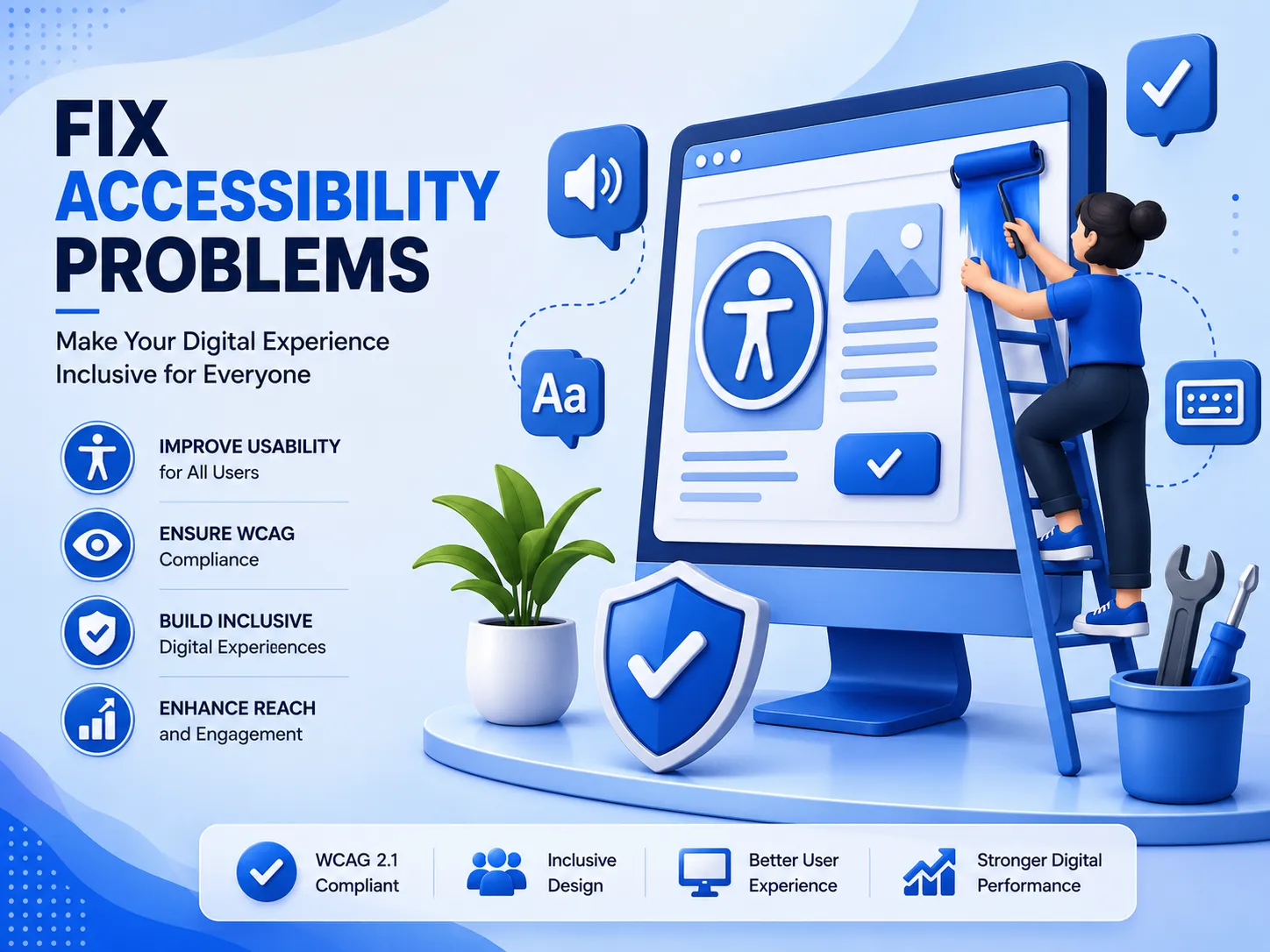
Websites today serve as the primary touchpoint between businesses and their customers. When a site is not accessible, a large segment of users, including those with visual, auditory, cognitive, or motor impairments, are left out. Governments and regulatory bodies across the world are also tightening compliance standards, pushing organizations to take accessibility seriously. This shift has created a strong demand for tools that can identify accessibility gaps quickly and help businesses fix them before they affect real users.
How AI Is Changing the Way We Approach Accessibility
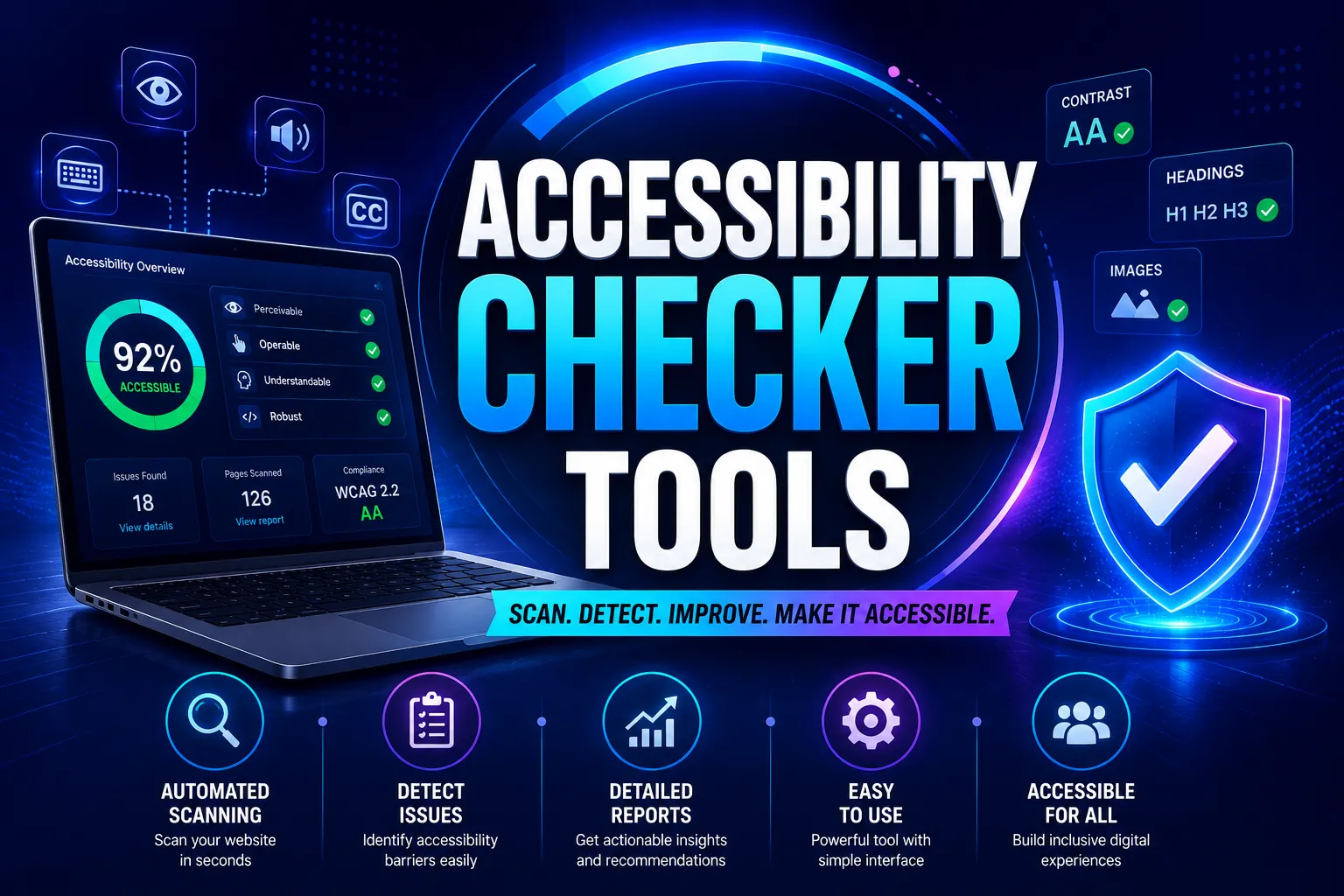
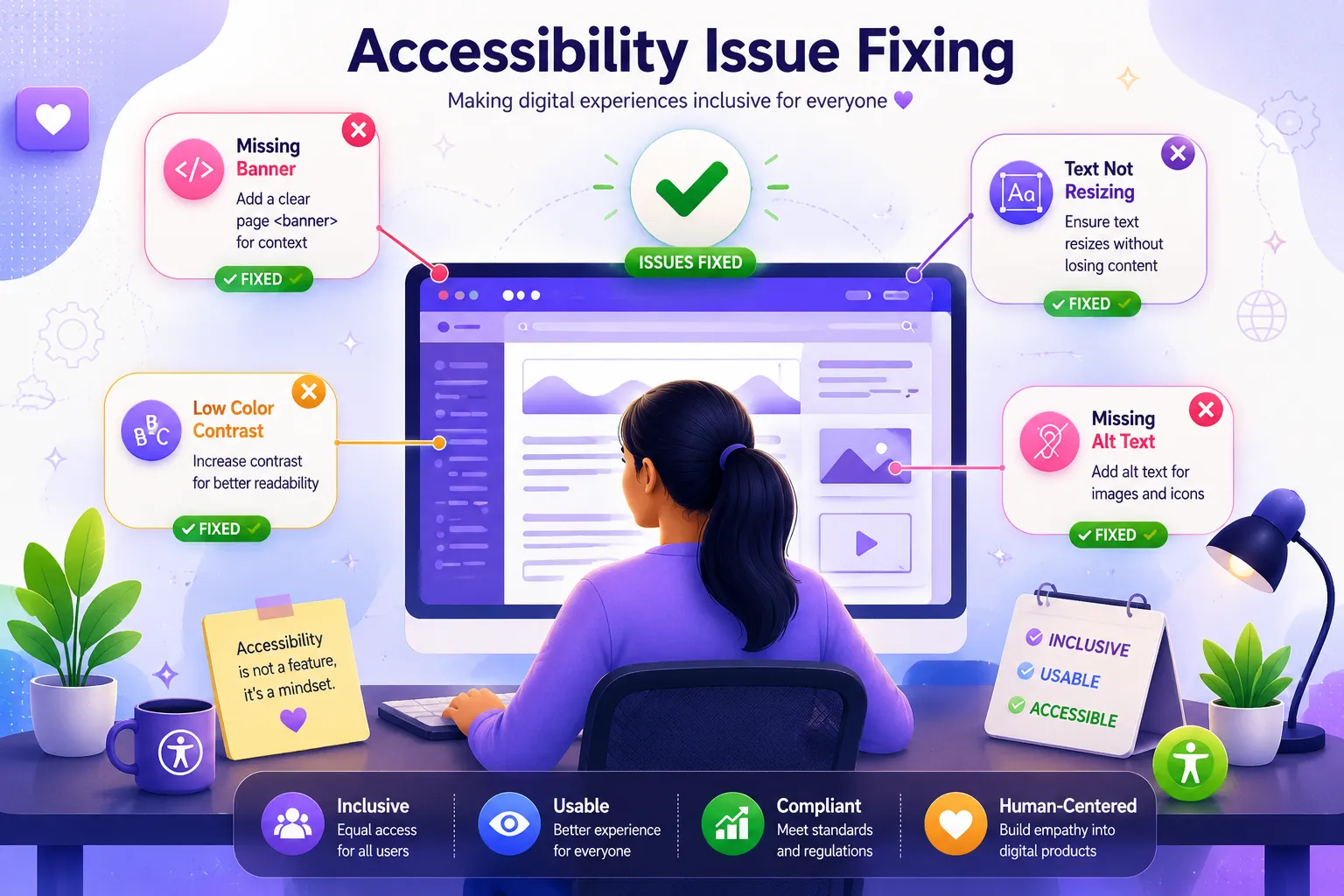
Artificial intelligence has transformed accessibility testing from a slow, manual process into an intelligent, automated one. AI powered systems can scan entire websites in minutes, identifying issues such as missing alt text, poor color contrast, broken navigation for screen readers, and unlabeled form fields. Unlike traditional testing, AI can learn patterns across thousands of websites, allowing it to detect subtle issues that human testers might overlook.
AI also helps prioritize fixes based on impact, so businesses know exactly which accessibility gaps to address first. This saves time, reduces costs, and improves the overall user experience for everyone visiting the site.
The Role of a Website Accessibility Checker
A reliable website accessibility checker plays a major role in helping businesses stay compliant and user friendly. These tools evaluate a website against established accessibility guidelines and generate detailed reports highlighting problem areas. With AI integrated into these checkers, the analysis becomes more precise, offering practical suggestions rather than just flagging errors. This allows development teams to understand not only what is wrong but also how to correct it efficiently.
Businesses that use a website accessibility checker regularly are better positioned to maintain compliance as guidelines evolve, avoid potential legal risks, and build trust with a wider audience.
Why Accessibility Should Be a Continuous Process
Accessibility is not a one time fix. Websites are updated frequently, and even small changes can introduce new barriers for users. AI driven tools make it possible to monitor accessibility on an ongoing basis, alerting teams whenever a new issue appears. This continuous approach ensures that accessibility remains a core part of the website’s lifecycle rather than an afterthought.
Final Thoughts
As digital experiences continue to evolve, businesses that prioritize accessibility will stand out for the right reasons. AI is making it easier than ever to identify, understand, and resolve accessibility issues, helping organizations create websites that truly work for everyone.
If you want to make your website more inclusive and compliant, Tranistics Data Technologies Private Limited can help. Try the Tranistics Data Technologies accessibility-checker-tool today and take the first step toward building a website that welcomes every user with confidence.






















Sign in to leave a comment.