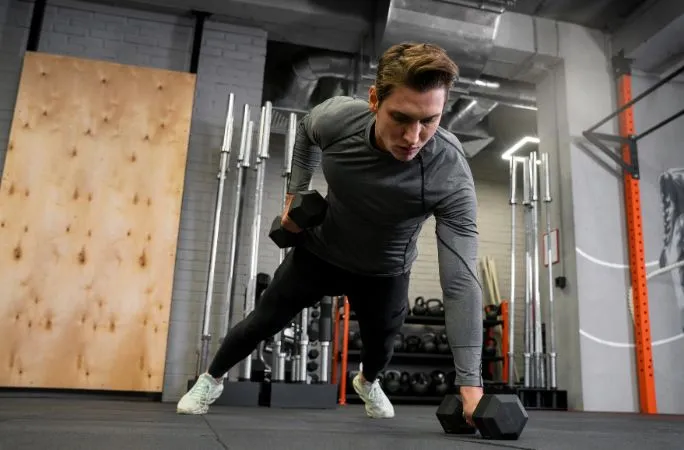

Whether you're stepping onto the track for the first time or preparing for elite competition, I believe every athlete has untapped potential. My name is George Griffith, and as an athletic performance coach in Barbados, I've dedicated my career to helping athletes become faster, stronger, and more confident.
When athletes first walk into my training sessions, they often believe they simply need to work harder. But over the years, I've learned that success isn't about training harder, it's about training smarter. Every athlete has different strengths, weaknesses, goals, and challenges. My role is to understand each individual and create a path that leads them toward sustainable success.
I've seen nervous beginners become confident competitors and experienced athletes break through performance plateaus they thought they'd never overcome. Those moments remind me why I love what I do.

What does an athletic performance coach do?
People often ask me what makes an athletic performance coach different from a regular fitness trainer. The answer lies in the approach.
Rather than simply focusing on exercise, I evaluate every aspect of athletic performance, including movement quality, mobility, strength, endurance, recovery, nutrition habits, mindset, and sport-specific skills.
My coaching process usually includes:
- Individual performance assessments
- Goal-focused training plans
- Strength and conditioning sessions
- Speed and agility development
- Injury prevention strategies
- Recovery planning
Progress tracking and performance analysis
An athletic performance coach doesn't simply prepare athletes for their next workout, I prepare them for long-term success.
Why is personalized coaching so important?
One lesson I've learned after coaching athletes across Barbados is that no two athletes are alike.
Some athletes naturally possess speed but lack strength. Others are powerful but struggle with endurance. Some have excellent technical skills but lack confidence during competition.
This is why I never believe in one-size-fits-all training. Personalized sports performance training allows me to identify exactly where improvements are needed and develop a roadmap for success.
When training is customized, athletes typically experience:
- Better movement efficiency
- Faster skill development
- Reduced injury risk
- Greater confidence
- Consistent progress
Every improvement builds momentum toward larger achievements.
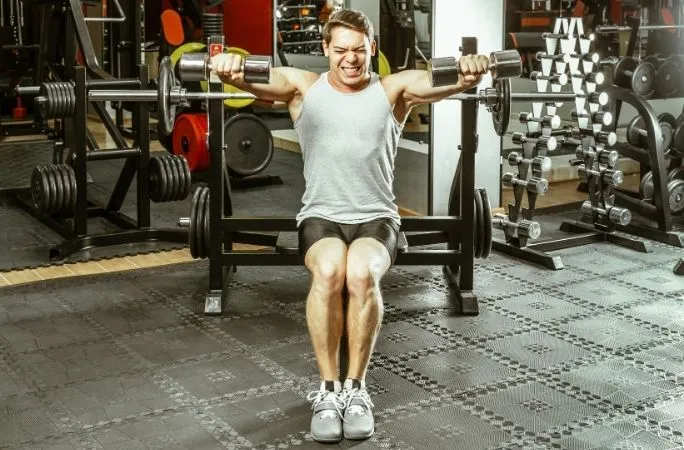
How can you improve athletic performance naturally?
One of the most common questions I hear is:
How can you improve athletic performance without overtraining?
The answer is balance.
Many athletes assume more hours automatically produce better results. Unfortunately, excessive training often leads to fatigue, injuries, and burnout.
Instead, I focus on helping athletes improve athletic performance through structured progression, proper recovery, quality nutrition, mobility work, and consistent technique refinement.
Here are the principles I follow:
- Train with purpose
- Prioritize proper recovery
- Build movement quality first
- Increase intensity gradually
- Monitor progress regularly
By following these fundamentals, athletes steadily improve athletic performance while remaining healthy enough to continue competing.
In fact, my coaching philosophy has always centered around helping athletes improve athletic performance without sacrificing longevity.
The science behind better athletic results
My coaching isn't based on guesswork.
Research consistently supports structured training methods.
- According to the American College of Sports Medicine (ACSM), properly designed resistance training improves muscular strength, power, speed, and athletic performance across multiple sports.
- Additionally, the World Health Organization (WHO) recommends regular strength training alongside aerobic activity to improve physical function and overall health.
- The National Strength and Conditioning Association (NSCA) also emphasizes that structured strength and conditioning programs enhance athletic performance while helping reduce injury risk when appropriately supervised.
These findings reinforce exactly what I've witnessed throughout my coaching career.
What should athletes expect from sports performance training?
Whenever someone joins me, I explain that sports performance training is much more than lifting weights.
Effective sports performance training develops the complete athlete by improving:
- Explosive power
- Coordination
- Speed
- Agility
- Stability
- Mobility
- Reaction time
- Mental resilience
Every session has a purpose.
I don't want athletes to leave exhausted.
I want them to leave better prepared than when they arrived.
Consistent sports performance training creates measurable progress over time rather than temporary improvements.
My approach to athlete performance improvement
One of the most rewarding parts of my work is witnessing genuine athlete performance improvement. Progress rarely happens overnight.
- Sometimes it's shaving half a second off a sprint.
- Sometimes it's recovering from an injury stronger than before.
- Sometimes it's simply believing in yourself again.
Real athlete performance improvement comes from consistency, patience, and trust in the process.
I celebrate every milestone because each one brings athletes closer to their goals.
Watching continuous athlete performance improvement reminds me why coaching is more than just a profession, it's a privilege.
Performance coaching for athletes builds more than physical strength
Many people assume performance coaching for athletes focuses only on fitness.
I disagree.
Effective performance coaching for athletes also develops discipline, confidence, resilience, communication, and leadership.
Athletes learn how to respond under pressure, stay motivated through setbacks, and maintain focus during competition.
I've watched shy young athletes become confident leaders simply because someone believed in them.
That's the true power of performance coaching for athletes.
Building long-term success through athletic development programs
I always remind athletes that championships aren't won in a single week.
They are built over months and years.
That's why I design structured athletic development programs that progress step by step.
Strong athletic development programs include:
- Foundation movement training
- Progressive strength development
- Speed progression
- Sport-specific conditioning
- Recovery management
- Seasonal performance planning
The most successful athletic development programs grow alongside the athlete rather than rushing short-term results.
My final thoughts
Looking back on my journey, I realize coaching has taught me just as much as it has taught my athletes.
Every success story reinforces one simple truth: the right guidance can completely transform an athlete's future.
As an athletic performance coach, I don't simply help athletes train harder—I help them train with purpose, confidence, and consistency.
Whether you're beginning your athletic journey or striving to compete at the highest level, remember that progress starts with one decision to invest in yourself.
If you're ready to unlock your full potential, I'd be honored to be the athletic performance coach who helps you take that next step.

























Sign in to leave a comment.