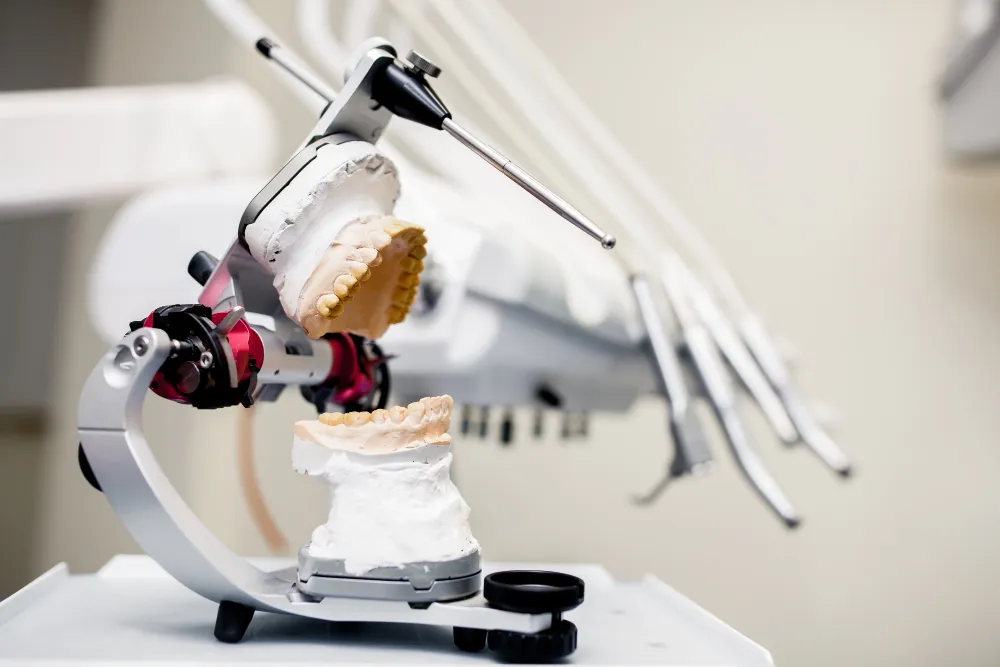

Modern dental practices depend on organized workflows to provide consistent patient care while managing appointments, treatment planning, records, and laboratory communication. As orthodontic cases become increasingly detailed, efficient appliance production can significantly influence how smoothly a practice operates. A dependable orthodontic appliance lab can support dental professionals by handling specialized fabrication requirements, maintaining production consistency, and helping reduce unnecessary administrative demands. When laboratory processes are coordinated effectively, dental teams can dedicate more attention to patient communication, clinical procedures, and treatment planning while maintaining greater control over everyday practice operations.
Understanding the Role of an Orthodontic Appliance Laboratory
An orthodontic appliance laboratory provides specialized fabrication services that support dental professionals throughout different stages of orthodontic treatment. Instead of requiring a dental practice to manage every production task internally, laboratory technicians can handle appliance fabrication according to the clinical specifications provided by the treating professional. This arrangement allows practices to access specialized skills, equipment, materials, and production processes without creating an extensive in house fabrication department. The laboratory therefore becomes an important operational partner that contributes to smoother case management and more predictable appliance preparation.
Supporting Different Treatment Requirements
Orthodontic treatment can involve a wide range of appliances designed for different clinical objectives and patient needs. Retainers, space maintainers, habit correction appliances, functional appliances, night guards, and other customized devices may require different fabrication techniques and materials. A specialized laboratory can manage these varied requirements while following the specifications supplied by the dental practice. This flexibility helps practices coordinate multiple treatment types without developing separate fabrication procedures for every appliance. By relying on experienced laboratory support, dental teams can simplify their workflow while continuing to provide appliances that correspond with individual treatment plans.
Reducing the Fabrication Burden on Dental Teams
Fabricating orthodontic appliances internally can require considerable time, equipment, materials, and technical knowledge. Dental professionals already manage examinations, consultations, treatment planning, patient education, documentation, and clinical procedures throughout the working day. Adding appliance fabrication responsibilities can place additional pressure on staff and potentially interrupt established routines. A specialized laboratory can assume much of this production workload, allowing dental teams to focus on tasks that require direct clinical involvement. This division of responsibilities can improve productivity by ensuring that each stage of treatment is handled by professionals with appropriate expertise.
Creating a More Organized Case Workflow
An organized laboratory process can help dental practices manage cases more systematically from submission through delivery. Clear case information, accurate prescriptions, appropriate records, and defined appliance requirements provide the foundation for efficient production. When communication remains consistent, laboratory technicians have the information needed to understand the requested appliance and its intended purpose. This can reduce unnecessary clarification and prevent avoidable interruptions. A structured workflow also makes it easier for dental teams to monitor active cases and coordinate appliance delivery with scheduled patient appointments, creating a more predictable experience for both staff members and patients.
Improving Time Management Within the Practice
Time management is an important consideration for every dental practice because clinical schedules often involve multiple appointments and treatment stages. Delays involving laboratory appliances can affect appointment planning and create additional administrative work. An efficient laboratory relationship can help practices establish clearer expectations around case processing and appliance delivery. When appliances arrive according to an agreed production schedule, dental teams can better coordinate appointments and prepare for planned treatment steps. Improved coordination can reduce scheduling disruptions and allow practices to use clinical time more effectively throughout the day.
Helping Staff Focus on Patient Care
Dental staff members perform many responsibilities beyond direct treatment. They communicate with patients, prepare clinical areas, maintain records, coordinate appointments, manage laboratory cases, and assist with treatment procedures. When laboratory production is outsourced to a qualified specialist, some technical responsibilities can be removed from the daily workload. This can allow staff members to concentrate more closely on patient related duties and clinical preparation. A more focused team may also communicate more effectively with patients because staff members have greater time to address questions, explain procedures, and provide appropriate appliance care information.
Supporting Consistency in Appliance Production
Consistency is essential when orthodontic appliances are used as part of planned treatment. A laboratory with established production procedures can apply standardized methods throughout fabrication while following individual prescriptions. Consistent processes may help reduce variations between cases and support reliable appliance quality. Dental practices can also benefit from working with technicians who understand the technical considerations associated with orthodontic appliances. Although every appliance may require customization, a structured fabrication system provides a dependable foundation for producing devices according to the information supplied by the treating dental professional.
Managing Complex Appliance Specifications
Some orthodontic cases involve detailed requirements that may be difficult to manage through basic fabrication processes. Appliance design, material selection, dimensions, retention features, and other technical considerations can influence the final product. A specialized laboratory can review the submitted prescription and apply appropriate fabrication techniques based on the requested specifications. This technical support can be especially useful when dental practices handle a broad range of orthodontic cases. Access to specialized laboratory knowledge allows clinical teams to focus on diagnosis and treatment decisions while production specialists manage the technical aspects of appliance construction.
Enhancing Communication Between Clinical and Laboratory Teams
Communication has a direct influence on the efficiency of laboratory based workflows. Accurate prescriptions and complete case information help technicians understand what the dental professional expects from each appliance. Digital records, photographs, scans, impressions, and written instructions can provide valuable information depending on the type of case. When communication channels are clear, questions can often be addressed before fabrication begins. This reduces the possibility of unnecessary revisions and helps keep cases moving through the production process. Strong communication therefore supports better coordination between the dental practice and laboratory.
Making Case Information Easier to Manage
Well organized case information can make laboratory coordination more efficient for dental teams. Important details should be prepared carefully before submission so technicians have access to the information required for fabrication. Consistent documentation can also make it easier for staff members to review case status and identify the next required action. When practices establish internal procedures for laboratory submissions, different team members can follow the same process. This consistency reduces confusion and creates a more dependable workflow, particularly when several orthodontic cases are being managed simultaneously.
Supporting Digital Dental Workflows
Digital technology has changed many aspects of modern dentistry, including how dental practices communicate with laboratories. Digital scans, electronic prescriptions, digital photographs, and computer based case information can help streamline the transfer of clinical details. When compatible digital workflows are available, dental teams may reduce dependence on traditional physical processes and simplify case submission. Digital information can also be stored and reviewed more easily when appropriate systems are used. These capabilities can contribute to faster communication and improved organization while supporting the growing demand for technology driven orthodontic treatment workflows.
Improving Record Organization
Accurate records are important for maintaining continuity throughout orthodontic treatment. Digital laboratory communication can make it easier for dental practices to organize case information and access previous submissions when needed. Better organization may help staff members review appliance specifications, treatment details, and communication history without searching through multiple physical documents. This can save time and reduce administrative confusion. Organized records are particularly valuable when patients require replacement appliances, adjustments, or additional treatment stages because previous information can provide useful reference material for the dental team and laboratory technicians.
Reducing Unnecessary Workflow Interruptions
Workflow interruptions can occur when appliances require unexpected clarification, corrections, remakes, or repeated communication. While some issues are unavoidable, careful case preparation and reliable laboratory processes can help minimize preventable interruptions. Dental practices can contribute by submitting accurate records and detailed prescriptions, while laboratories can support efficiency through careful production and communication procedures. Fewer interruptions allow staff members to maintain their planned schedules and reduce the amount of time spent resolving avoidable issues. This creates a smoother workflow that benefits practice productivity and helps patients experience more organized treatment appointments.
Supporting Predictable Treatment Planning
Predictability is valuable when dental professionals plan appointments around appliance delivery and placement. A laboratory that maintains organized production procedures can help practices establish realistic expectations for when appliances will be ready. Although production times may vary according to appliance type and case complexity, consistent communication provides greater visibility throughout the process. Dental teams can then coordinate patient appointments more effectively and prepare necessary clinical materials in advance. Better planning can reduce last minute changes and contribute to a more efficient treatment experience for both professionals and patients.
Improving Overall Practice Productivity
Practice productivity involves more than seeing a larger number of patients. It also depends on how effectively staff members use their available time, how smoothly cases move between different stages, and how efficiently administrative tasks are completed. A specialized orthodontic laboratory can contribute to these goals by taking responsibility for appliance fabrication and technical production requirements. This support can help dental practices allocate internal resources more effectively. When laboratory services are integrated into an organized workflow, dental professionals can maintain greater attention on clinical responsibilities while production tasks progress through a dedicated technical environment.
Creating Better Use of Staff Resources
Staff resources are often limited in busy dental practices, making efficient delegation especially important. Assigning specialized fabrication work to an external laboratory can prevent dental assistants and other team members from spending excessive time on technical production tasks. Instead, those staff members can assist with patient preparation, clinical procedures, scheduling, communication, and documentation. Better resource allocation can improve daily productivity without requiring the practice to expand every internal capability. This approach allows the dental team to concentrate on responsibilities that directly support patient care while laboratory technicians handle appliance production according to professional instructions.
Supporting Patient Satisfaction
Efficient workflows can influence how patients perceive the overall quality and organization of a dental practice. Patients generally appreciate clear communication, well planned appointments, and treatment processes that proceed without unnecessary delays. When laboratory coordination works smoothly, appliances can be prepared in alignment with the practice schedule, helping reduce avoidable appointment changes. Dental professionals can also spend more time explaining treatment and answering patient questions when staff members are not overloaded with fabrication duties. Although laboratory services operate behind the scenes, their contribution can have a meaningful effect on the patient experience.
Helping Patients Receive Clear Appliance Guidance
Once an appliance has been fabricated, patients may need instructions covering insertion, removal, cleaning, storage, wearing schedules, and general care. A well coordinated laboratory workflow allows the dental team to prepare for these conversations before the patient receives the appliance. Staff members can review the appliance requirements and ensure that appropriate guidance is available during the appointment. Clear instructions can improve patient understanding and encourage proper appliance use. Better patient education may also reduce avoidable problems caused by incorrect handling, helping the treatment process remain more consistent after the patient leaves the practice.
Choosing the Right Laboratory Partnership
Selecting a suitable laboratory partner requires dental practices to consider more than appliance quality alone. Communication, production consistency, case handling, technical expertise, digital capabilities, service responsiveness, and workflow compatibility can all influence the effectiveness of the relationship. Practices should evaluate whether a laboratory can accommodate their typical case volume and appliance requirements while maintaining dependable communication. A strong partnership should complement the existing practice workflow rather than create additional administrative complexity. When the laboratory understands the practice's needs, both sides can establish procedures that support efficient case management.
Evaluating Workflow Compatibility
Before establishing a long term laboratory relationship, dental practices can examine how laboratory procedures fit within their existing systems. Factors such as case submission methods, record requirements, communication channels, production timelines, and delivery arrangements can influence efficiency. A laboratory that integrates naturally with the practice workflow may require less staff adjustment and fewer administrative steps. Practices can also evaluate how technical questions and case changes are handled. Clear procedures for these situations can help maintain continuity and prevent small issues from becoming larger workflow disruptions.
Conclusion
An efficient laboratory relationship can provide valuable operational support for dental practices managing orthodontic treatment. By handling specialized fabrication, supporting digital communication, improving production consistency, and reducing technical responsibilities for clinical teams, an experienced laboratory can help practices use their resources more effectively. Better coordination can also support predictable scheduling, organized case management, and a stronger patient experience. When dental professionals choose laboratory services that align with their workflow requirements, appliance production becomes a more manageable part of treatment delivery. Ohlendorf Appliance Laboratory can support dental practices seeking dependable orthodontic appliance production and efficient laboratory coordination.
























Sign in to leave a comment.