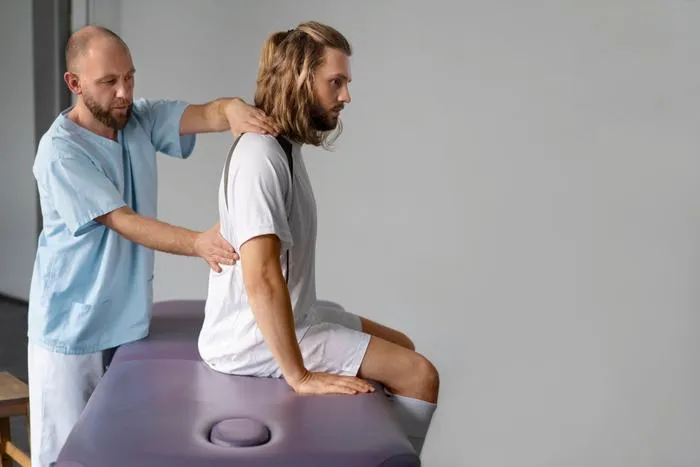

Musculoskeletal concerns can affect the muscles, joints, bones, connective tissues, and movement patterns throughout the body. Discomfort may develop after an injury, repetitive activity, prolonged sitting, physical exertion, or gradual changes in mobility. When symptoms begin affecting everyday activities, professional assessment may help identify factors contributing to the problem. An orthopedic chiropractor lacey may evaluate movement, posture, joint function, muscle balance, and physical limitations to better understand an individual's concerns. Such an evaluation can provide useful information for developing an appropriate approach focused on comfort, mobility, and functional movement.
Common Musculoskeletal Symptoms
Musculoskeletal symptoms can appear in many forms, including localized discomfort, stiffness, tenderness, reduced flexibility, muscle tightness, or difficulty performing familiar movements. Some people notice symptoms immediately after an injury, while others experience gradual discomfort that becomes more noticeable over time. The location and intensity of symptoms can vary depending on the underlying factors involved. Paying attention to changes in movement can help individuals recognize when professional guidance may be appropriate. A detailed evaluation can consider daily activities, previous injuries, physical demands, and other circumstances that may influence musculoskeletal comfort.
Assessing Movement and Physical Function
Reviewing Movement Patterns
Movement patterns can provide valuable information about how different parts of the body work together during everyday activities. A professional may observe walking, bending, reaching, sitting, standing, or other movements related to the individual's concerns. Differences in mobility or coordination may place additional demands on surrounding muscles and joints. Understanding these patterns can help identify areas that may require attention. A thorough assessment does not focus solely on the location of discomfort. Instead, it considers how posture, movement, flexibility, strength, and daily habits may interact and contribute to an individual's overall musculoskeletal experience.
Evaluating Joint Mobility
Joint mobility plays an important role in comfortable and efficient movement. When a joint becomes stiff or restricted, surrounding areas may compensate during ordinary activities. This can make certain movements feel uncomfortable or unusually demanding. An evaluation may consider the available range of motion and how the affected joint functions during different activities. Understanding mobility limitations can help guide appropriate recommendations for movement and physical activity. Depending on individual findings, care may include mobility exercises, movement education, strengthening activities, or other conservative approaches intended to support comfortable function and gradual improvement.
Addressing Muscle Related Concerns
Muscle Tension and Tightness
Muscle tension can develop from repetitive movements, physical exertion, prolonged positioning, stress, or inadequate recovery. Tight muscles may affect flexibility and change how nearby joints move during everyday activities. When muscle tightness continues, individuals may notice discomfort while exercising, working, sleeping, or completing household responsibilities. Professional assessment can help determine whether muscle tension appears connected to movement habits or other contributing factors. Appropriate recommendations may focus on improving mobility, encouraging balanced activity, and supporting healthy movement patterns. The specific approach can vary according to symptoms, physical condition, and individual goals.
Muscle Strength and Balance
Muscle strength can influence joint stability and the body's ability to perform controlled movements. If certain muscle groups become weaker than others, an individual may develop altered movement habits during work, exercise, or routine activities. A professional evaluation may examine strength, coordination, flexibility, and the way different muscle groups contribute to movement. When appropriate, strengthening exercises may become part of a broader care plan. Gradual strengthening can support functional movement while helping individuals become more aware of how their bodies respond to different physical demands throughout their daily routines and recreational activities.
Supporting Recovery After Injuries
Injuries From Everyday Activities
Musculoskeletal injuries can occur during sports, exercise, household activities, workplace tasks, or unexpected movements. Sprains, strains, joint irritation, and other physical problems may cause discomfort and temporarily limit normal movement. After an injury, individuals may naturally protect the affected area by changing how they walk, sit, lift, or reach. These changes can influence surrounding areas as well. A professional evaluation can help assess movement limitations and determine whether conservative care may be suitable. Individuals with severe injuries or concerning symptoms may require evaluation from an appropriate medical professional before beginning any treatment approach.
Returning to Normal Activities
Returning to normal activities after an injury often requires gradual progress rather than immediately resuming every previous activity. Excessive activity too soon may increase discomfort, while avoiding movement for too long can contribute to stiffness and reduced conditioning. A suitable care plan can consider the individual's current abilities, symptoms, work requirements, exercise habits, and recovery goals. Movement recommendations may be adjusted as function changes. Monitoring symptoms and responding to changes can help individuals make sensible decisions about activity levels while working toward greater confidence and comfort during everyday physical tasks.
Considering Posture and Daily Habits
Effects of Prolonged Positions
Spending long periods sitting, standing, driving, or working in one position can place repeated demands on muscles and joints. Over time, individuals may develop stiffness or discomfort that becomes more noticeable toward the end of the day. Regular movement breaks, appropriate workstation positioning, and attention to comfortable posture may help reduce unnecessary physical strain. A professional assessment can provide additional insight into how daily positioning may influence symptoms. Understanding these habits can encourage practical changes that support better movement throughout the day without requiring major disruptions to established work or household routines.
Repetitive Physical Activities
Repetitive movements can place stress on specific areas when the same muscles and joints are repeatedly used. Activities involving lifting, reaching, bending, typing, walking, or other repeated motions may contribute to discomfort when performed for extended periods without sufficient variation or recovery. Identifying the activities associated with symptoms can help individuals understand potential triggers. Professional guidance may include recommendations for movement variation, technique adjustments, stretching, strengthening, or rest periods. Small changes to repetitive routines can sometimes make physical tasks more manageable while supporting healthier movement habits during work, exercise, and everyday responsibilities.
Developing an Individualized Approach
Understanding Personal Needs
Musculoskeletal concerns can differ significantly from one person to another, even when symptoms occur in similar areas. Age, activity level, previous injuries, work requirements, exercise routines, and general physical condition can all influence how someone experiences discomfort. For this reason, an individualized evaluation can be useful when determining appropriate care considerations. A professional may discuss symptoms, daily limitations, movement goals, and relevant history before suggesting an approach. This process can help ensure that recommendations are connected to the individual's circumstances rather than relying on a generalized strategy that may not address specific needs.
Using Conservative Care Strategies
Conservative care may involve approaches intended to support movement and physical function without immediately relying on invasive procedures. Depending on the individual's situation, recommendations can include mobility exercises, strengthening activities, posture education, activity modification, and manual techniques. The appropriate combination depends on the nature of the concern and the individual's response to care. Regular communication can help determine whether recommendations remain suitable as symptoms change. Individuals should discuss any worsening symptoms or unexpected changes with an appropriate healthcare professional so that their care plan can be reassessed when necessary.
Supporting Everyday Mobility
Improving Functional Movement
Functional movement refers to the ability to perform ordinary activities with reasonable comfort, control, and confidence. These activities may include walking, climbing stairs, lifting household items, reaching, bending, or participating in recreational pursuits. Musculoskeletal discomfort can make familiar tasks feel more challenging and may encourage individuals to move differently. Addressing contributing factors can help support more comfortable movement. Professional guidance may focus on practical exercises and movement strategies that relate directly to everyday activities. This functional approach can help individuals understand how physical improvements may translate into greater confidence during routine responsibilities.
Encouraging Active Participation
Active participation can be an important part of managing many musculoskeletal concerns. Rather than depending entirely on passive care, individuals may benefit from learning appropriate exercises, movement techniques, and self management strategies. Regular participation can help people understand their physical limitations and recognize improvements over time. Activities should be selected according to individual abilities and professional guidance, especially when discomfort is present. Consistency can be more useful than sudden increases in activity. A balanced approach allows individuals to gradually build confidence while remaining attentive to symptoms and adjusting activities when necessary.
Recognizing When Further Evaluation Is Needed
Persistent or Worsening Symptoms
Persistent or worsening symptoms may indicate that additional evaluation is appropriate. Discomfort that repeatedly returns, increasingly limits movement, or interferes with sleep and daily responsibilities should receive attention rather than being ignored indefinitely. A professional can review the progression of symptoms and determine whether the current approach remains appropriate. Individuals should also communicate any significant changes in pain, mobility, swelling, weakness, or other concerning symptoms. In some situations, referral to another healthcare provider may be necessary. Recognizing these changes can help ensure that important concerns receive suitable attention without unnecessary delays.
Knowing Personal Limitations
Understanding personal limitations can help individuals make safer decisions about physical activity and recovery. Pain does not always indicate the same underlying problem, and symptoms can vary according to activity, position, injury history, and overall physical condition. Individuals should avoid assuming that every musculoskeletal concern can be managed in the same way. Professional evaluation can provide more specific information about the situation. Clear communication about symptoms and goals also allows recommendations to be adjusted appropriately. This individualized perspective can help people make informed choices while working toward improved comfort, mobility, and everyday physical function.
Conclusion
Musculoskeletal concerns can influence movement, physical comfort, work responsibilities, exercise, and everyday activities. An evaluation may help identify contributing factors involving joint mobility, muscle tension, posture, strength, movement patterns, or previous injuries. Conservative strategies can then be considered according to individual needs and functional goals. Paying attention to persistent symptoms and seeking appropriate professional guidance can support informed decisions about care. Individuals experiencing significant or unusual symptoms should obtain suitable medical evaluation when necessary. For those exploring professional support for musculoskeletal concerns, Chiropractor Lacey Accident and Injury Rehabilitation may provide an option for discussing movement related concerns and developing an individualized approach.






















Sign in to leave a comment.