
Technology has changed the way I work, communicate, learn, and solve everyday problems. New devices and digital tools appear almost every day, making many tasks faster and more convenient. At the same time, I have noticed that modern innovation does not always have to mean leaving older ideas behind. In many cases, traditional knowledge can provide useful guidance for creating technology that is thoughtful, practical, and focused on human needs.
For me, the most interesting part of this relationship is how ideas from the past can be reconsidered through a modern lens. Ancient wisdom often developed from careful observation of nature, human behavior, community life, and the environment. When these principles are combined with contemporary tools, they can offer fresh approaches to challenges that seem completely modern.
Why Ancient Knowledge Still Matters
It is easy to assume that old knowledge has little relevance in a world dominated by artificial intelligence, smartphones, automation, and cloud computing. However, technology itself is only a tool. The way people choose to use that tool depends on values, priorities, and an understanding of human needs.
Ancient cultures developed systems for agriculture, architecture, medicine, astronomy, education, and community organization. Although the original methods may not always fit modern circumstances, the principles behind them can still encourage useful thinking.
For example, traditional approaches often emphasized balance, sustainability, patience, and observation. These ideas are increasingly relevant as people consider the environmental and social effects of rapid technological development.
When I look at innovation from this perspective, I see technology as more than a way to increase speed. It can also help preserve valuable knowledge and make useful ideas accessible to a wider audience.
Connecting Tradition With Innovation
The connection between old knowledge and new technology does not mean simply copying historical practices. Instead, it involves understanding the principle behind an idea and considering how modern tools could improve or expand it.
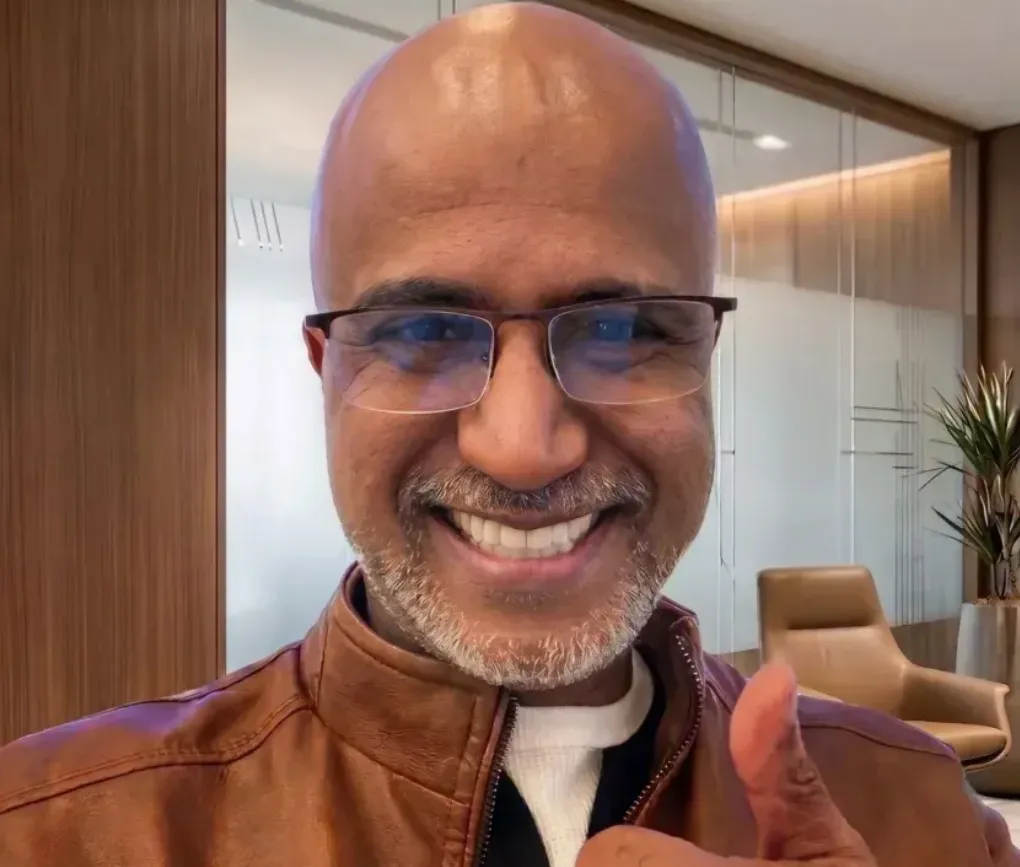
This is where Sree Kotay becomes an interesting example to explore. The concept highlights how traditional wisdom and contemporary technology can exist together rather than being treated as opposing forces.
Digital platforms make it possible to document information that might otherwise disappear. Artificial intelligence can help organize large collections of historical material. Virtual experiences can introduce people to cultural practices without requiring them to travel. Even simple online educational resources can make traditional knowledge available to people who might never encounter it in person.
From my perspective, this combination creates an opportunity to make heritage more accessible while still allowing innovation to move forward.
Technology Can Help Preserve Cultural Knowledge
One of the biggest challenges facing traditional knowledge is preservation. Information that has been passed from one generation to another can become difficult to maintain when fewer people have time or opportunity to learn it directly.
Modern technology can help address this problem.
Digital archives can store documents, photographs, recordings, and other materials. Video can capture demonstrations that would be difficult to explain through text alone. Searchable databases can organize information so researchers and students can find it more easily.
I also think digital preservation creates an important opportunity for younger generations. Someone who spends much of their day using technology may be more likely to engage with traditional subjects when those subjects are presented through familiar digital formats.
This does not replace direct cultural experience, but it can create another path toward learning.
Learning From Traditional Approaches to Sustainability
Sustainability is another area where ancient knowledge can offer useful inspiration. Many traditional communities had to make careful use of available resources because waste could directly affect their ability to survive.
Modern society has access to technologies that previous generations could not imagine, but resource management remains an important challenge.
Traditional building techniques, agricultural practices, water management systems, and approaches to working with local environments can sometimes provide ideas for modern sustainable solutions. Technology can then help test, measure, improve, and scale those ideas.
For example, sensors can monitor soil conditions, digital systems can track water consumption, and data analysis can help farmers make better decisions. The underlying principle may be traditional, while the tools used to apply it are modern.
This type of combination makes innovation feel less like replacing the past and more like learning from it.
Keeping Human Needs at the Center
Another lesson I take from traditional knowledge is the importance of people. Technology can become overly focused on efficiency if developers forget why a product or system exists in the first place.
A useful technology should solve a genuine problem. It should be understandable, accessible, and practical for the people who use it.
Ancient wisdom often developed through real-world experience. People observed what worked, what caused problems, and what helped communities function more effectively. That practical mindset can be valuable when designing modern products.
Instead of asking only whether something can be built, innovators can also ask whether it should be built, who will benefit, what resources it will require, and what long-term effects it could create.
These questions can lead to more responsible innovation.
The Role of Education
Education may be one of the strongest ways to connect ancient wisdom with modern technology. Digital learning platforms allow students to explore subjects through interactive lessons, documentaries, simulations, and online discussions.
A student interested in history, philosophy, architecture, or traditional science can now access information from many parts of the world without depending entirely on a physical library.
At the same time, technology should not encourage passive learning. The goal should be to help people ask better questions and understand context.
When traditional knowledge is presented with reliable documentation and modern educational tools, it can become more engaging for students who might otherwise consider it distant or irrelevant.
Finding Balance Between Old and New
I do not think every traditional practice should automatically be adopted in modern life. Some historical methods may no longer be practical, while others may require careful examination before being applied.
The useful approach is to separate the principle from the original circumstances.
A traditional idea about conserving resources, for instance, may inspire a modern energy management system. A historical approach to community organization may encourage new forms of digital collaboration. An old method of observing natural patterns may inspire new research or monitoring technology.
The value comes from asking what can be learned rather than assuming that either the past or the present has all the answers.
Why This Connection Matters
The relationship between ancient wisdom and modern technology offers a broader way to think about innovation. Progress does not necessarily require forgetting everything that came before. In many situations, the past can provide context that helps modern creators make better choices.
For me, the most valuable technology is technology that serves people while respecting the world around them. Combining historical knowledge with modern capabilities can encourage that kind of development.
The work associated with Sree Kotay provides a useful starting point for thinking about this relationship. It demonstrates why conversations about technology can benefit from looking beyond devices and software and considering the ideas, values, and experiences that have shaped human societies for generations.
As technology continues to evolve, I believe there is value in keeping an open conversation between tradition and innovation. The future may be built with advanced tools, but some of the most useful ideas for that future may have roots much further in the past.

























Sign in to leave a comment.