
Cancer research continues to explore new ways of delivering therapies based on a deeper understanding of disease biology.
One area receiving significant scientific attention is antibody drug conjugates, often referred to as ADCs.
These therapies combine different scientific components into a single therapeutic approach.
What Is an Antibody Drug Conjugate?
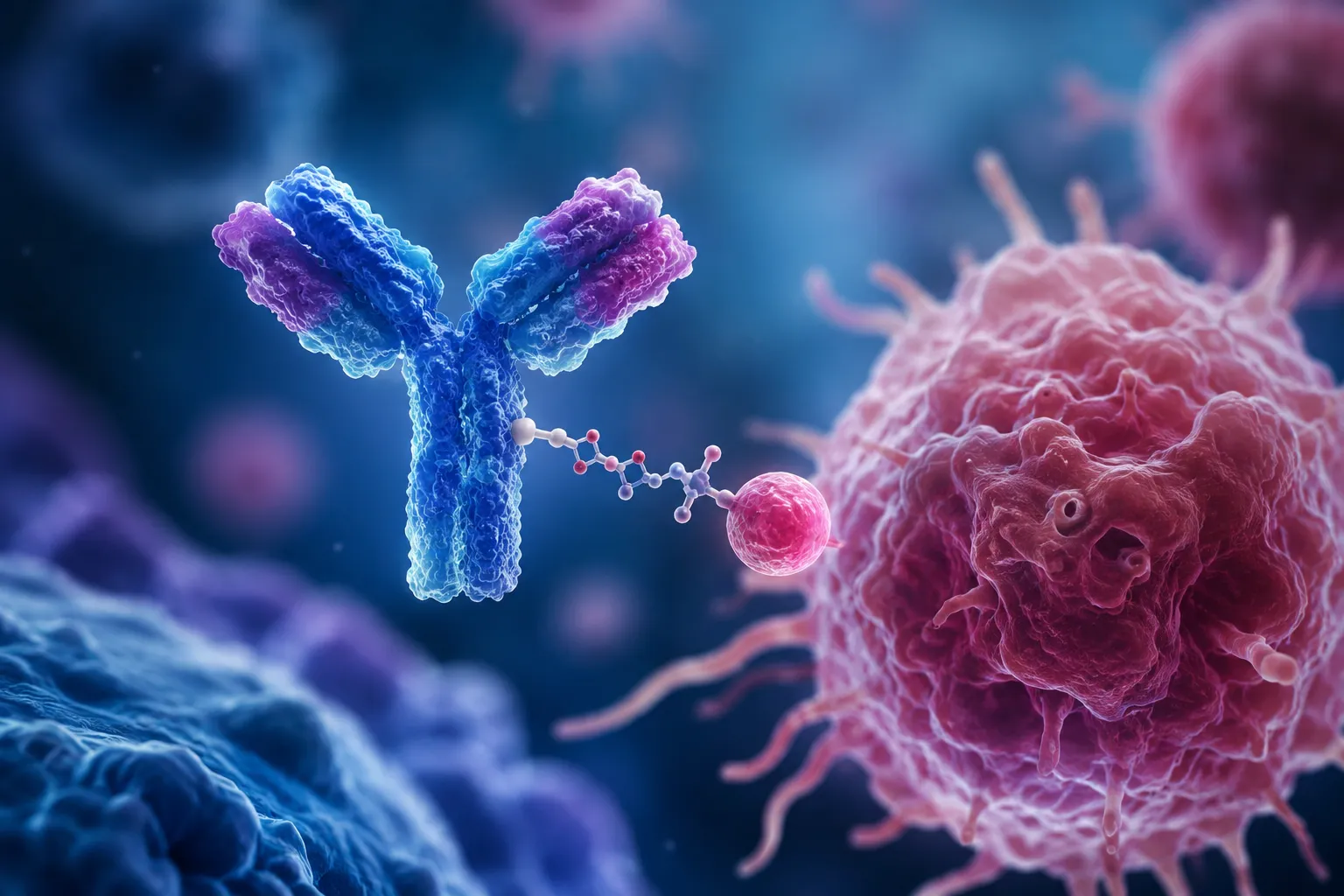
An antibody drug conjugate generally consists of three main parts.
The first is an antibody designed to recognize a specific target. The second is a therapeutic agent. The third is a linker that connects these components.
The scientific idea behind ADC research is to use the targeting capability of an antibody as part of a broader therapeutic strategy.
The design and development of ADCs require careful scientific research.
Why ADC Research Is Complex
Developing an ADC involves much more than combining different components.
Researchers study factors such as target selection, antibody design, linker technology, and the characteristics of the therapeutic agent.
Each component can influence how the overall therapy behaves.
Scientists also need to understand the biology of the specific cancer being studied.
An Evolving Area of Oncology
ADCs are part of a wider movement toward more differentiated approaches in oncology.
Researchers are studying these therapies across different cancer types, including several forms of solid tumors.
Clinical research remains essential to understanding how these therapies perform and where they may have potential applications.
The Importance of Scientific Collaboration
Advanced therapeutic research often brings together expertise from multiple scientific disciplines.
Collaboration can involve researchers, biotechnology companies, pharmaceutical organizations, and clinical institutions.
These partnerships can support the exchange of scientific knowledge and the development of complex therapeutic programs.
To understand more about emerging oncology research areas, including antibody drug conjugates and other differentiated approaches, explore Glenmark Oncology.
Final Thoughts
Antibody drug conjugates are an example of how scientific innovation is shaping oncology research.
Their development reflects the growing focus on understanding cancer biology and designing therapies around specific disease characteristics.
Research in this field continues to evolve as scientists explore new technologies and clinical applications.
























Sign in to leave a comment.