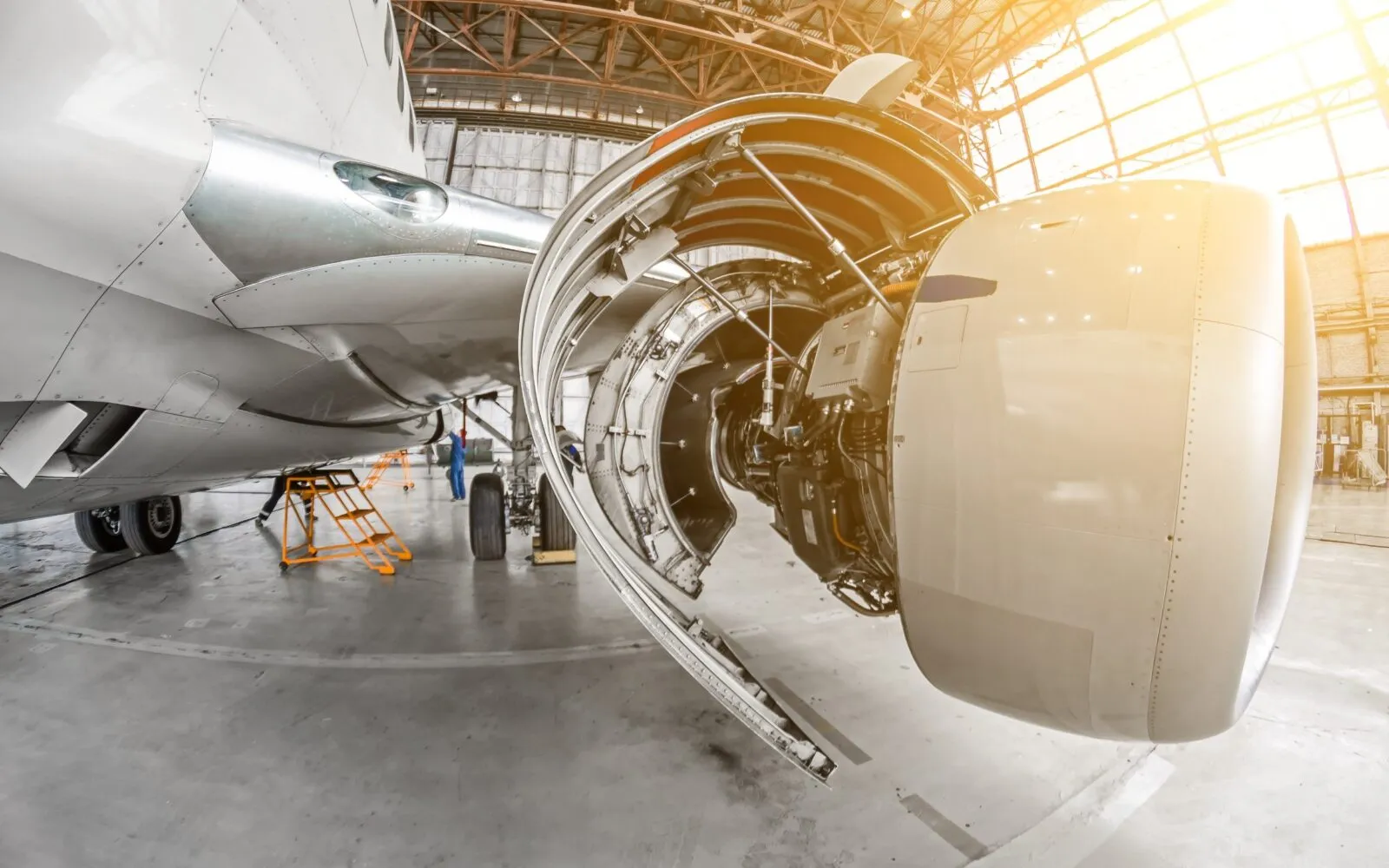

When an aircraft is grounded due to any mechanical or technical reasons, every minute of its flight operation is affected. This is where AOG Aircraft Maintenance becomes essential. AOG, or Aircraft on Ground, maintenance provides a rapid response to aircraft problems so qualified technicians can diagnose faults, complete necessary repairs, and help return the aircraft to service safely. This enables the aircraft to resume its scheduled operations.
For airlines, charter operators, private aircraft owners, and fleet managers, timely maintenance can reduce operational disruption while keeping safety at the center of every decision.
What Is AOG Aircraft Maintenance?
AOG Aircraft Maintenance is a specialised maintenance service designed for situations where an aircraft cannot continue its planned operation because of a technical problem.
Unlike scheduled maintenance, which can be planned, AOG situations require a quick and coordinated response. Technicians may need to travel to the aircraft’s location, assess the issue, identify the required parts or tools, and carry out approved repairs.
Some common issues are expected to occur in any AOG, which include:
- Engine or auxiliary power unit problems
- Avionics and electrical faults
- Hydraulic or pneumatic system issues
- Landing gear problems
- Structural or component damage
- Unexpected inspection findings
- Faults identified before departure
The goal is not simply to repair the aircraft quickly. The work must be completed according to applicable maintenance requirements and approved technical data.
Why Fast Response Matters for Aircraft Operators:
One of the reasons you need to act quickly is because a grounded aircraft could hinder the chain reaction of operations. A delayed aircraft may affect connecting flights, crew schedules, passenger arrangements, cargo movements, and other aircraft within the fleet.
A fast maintenance response can help operators manage these disruptions more effectively.
However, speed should never come at the expense of safety. The Federal Aviation Administration (FAA) identifies 14 CFR Part 43 as the regulation covering maintenance, preventive maintenance, rebuilding, and alteration.
This means technicians must follow appropriate procedures when inspecting, repairing, or altering an aircraft. A quick repair is only valuable when it is also properly performed and documented.
How AOG Maintenance Keeps Aircraft Flight-Ready
AOG support involves more than sending a technician to an airport. A professional response usually involves several coordinated steps, which include,
Rapid Troubleshooting
Technicians first gather information about the reported fault. They may review pilot reports, maintenance records, warning messages, previous defects, and other available information.
This helps narrow down the likely cause and determine what equipment, documentation, or parts may be required.
On-Site Inspection
Once technicians reach the aircraft, they inspect the affected systems and components. Depending on the problem, troubleshooting may involve visual inspections, diagnostic equipment, functional tests, or component checks.
The objective is to identify the actual fault rather than simply treating the most obvious symptom.
Approved Repairs and Maintenance
After identifying the problem, technicians determine the appropriate corrective action. Repairs and maintenance should follow the aircraft manufacturer’s maintenance instructions, applicable regulations, and other approved or acceptable technical data.
FAA guidance states that maintenance personnel must use applicable manufacturer instructions or acceptable methods, techniques, and practices when performing maintenance.
Testing and Return-to-Service Procedures
After repairs are completed, required inspections and functional checks help confirm that the affected system operates correctly.
Maintenance records and return-to-service procedures are also important. Proper documentation provides a clear record of the work performed and supports continued airworthiness.
Reducing Downtime Without Compromising Safety
One of the biggest advantages of AOG support is its ability to reduce unnecessary downtime. A capable maintenance provider can coordinate technicians, tools, parts, and technical information more efficiently when an aircraft is grounded unexpectedly.
This can be particularly valuable for operators working with tight schedules.
Still, reducing downtime does not mean skipping necessary inspections or procedures. The FAA’s Aircraft Maintenance Division focuses on maintaining the airworthiness of civil aircraft through regulations, standards, inspection guidance, and oversight.
A responsible maintenance strategy therefore balances three priorities:
- Safety and regulatory compliance
- Accurate fault diagnosis
- Efficient aircraft recovery
Choosing an Aircraft Maintenance Provider
When an aircraft is grounded away from its normal maintenance base, operators may search for an aircraft maintenance company near me to provide immediate support.
Before choosing a provider, consider factors such as technician qualifications, aircraft experience, response capability, available equipment, geographic coverage, and familiarity with applicable maintenance procedures.
It is also useful to ask how the provider handles parts sourcing, maintenance documentation, troubleshooting, and return-to-service requirements.
A provider that can coordinate these areas efficiently can make the AOG process more manageable for operators and fleet managers.
The Long-Term Value of Reliable AOG Support:
When you look for a technical and mechanical support team from AOG, you are usually expecting a rapid response. But its benefits can extend beyond a single aircraft recovery. Detailed troubleshooting and accurate maintenance records can help operators identify recurring issues and improve future maintenance planning.
When an unexpected defect occurs, having an established AOG support option can also reduce the time spent searching for qualified assistance.
For aircraft operators, this preparedness can contribute to better operational continuity while maintaining appropriate safety standards.
Conclusion
Aircraft downtime can quickly become a major operational challenge, especially when an unexpected defect occurs away from a regular maintenance facility. AOG Aircraft Maintenance provides a structured way to respond to these situations through rapid troubleshooting, on-site repairs, testing, and proper documentation.
The key is to combine speed with technical competence and regulatory compliance. With reliable AOG support available when problems arise, operators can respond to unexpected maintenance issues more efficiently while keeping aircraft focused on one essential goal: returning to safe, flight-ready operation.























Sign in to leave a comment.