

Autism symptoms can look different in every child. Some young children may have difficulty developing speech, while others communicate clearly but struggle with social interactions, sensory experiences, or changes in routine. These differences can make autism harder to recognize, especially when a child develops certain skills earlier than others. Understanding how autism symptoms appear differently in young children helps parents recognize developmental concerns, understand their child's needs, and seek professional guidance when appropriate.

Why Autism Symptoms Differ Among Young Children
Autism spectrum disorder (ASD) is a developmental condition that affects social communication, interaction, behavior, and the way a person experiences their surroundings. It is called a spectrum because each child has a different combination of characteristics and support needs.
For example, one toddler may use fewer gestures to communicate, while another may speak in complete sentences but find conversations and social cues difficult to understand. Some children prefer predictable routines, while others experience strong reactions to sounds, lights, textures, or crowded environments.
These differences explain why parents should not rely on one behavior to identify autism. Looking at a child's overall development provides a more useful picture. Understanding these variations can also help families avoid comparing their child's development too closely with that of siblings or other children.
Early Autism Symptoms in Toddlers
Early childhood brings important changes in communication, play, and social development. Some children with autism show differences in these areas during their first few years.
Possible signs include limited use of gestures, reduced attempts to share interests, difficulty with back-and-forth interaction, repetitive movements, and strong preferences for familiar activities. Some children may respond inconsistently when their name is called or show less interest in certain types of pretend play.
However, these behaviors do not automatically indicate autism. Children develop at different rates, and similar characteristics can have other explanations.
Parents should pay attention to persistent developmental differences rather than waiting for several symptoms to appear. Discussing concerns with a pediatrician can help determine whether developmental screening or a more detailed evaluation is appropriate.
Common Symptoms of Autism in Young Children
Symptoms of autism can vary from child to child, affecting communication, social interaction, behavior, and sensory processing. Some young children may have delayed speech, limited eye contact, difficulty responding to their name, or challenges understanding social cues. Others may show repetitive movements, strong preferences for routines, intense interests, or sensitivity to sounds, lights, and textures. Some children develop language skills early but still experience social communication difficulties. Recognizing these differences can help parents understand their child's development and seek professional guidance when needed.
How Speech and Communication Differences Appear
Speech development is often one of the first areas parents notice, but autism symptoms can affect communication in several ways.
Some young children develop spoken language later than expected or use fewer words and gestures to express their needs. Others speak fluently but struggle with the social aspects of communication.
A child might talk extensively about a favorite subject but find it difficult to take turns in conversation. Another child may repeat phrases from videos or conversations, a pattern known as echolalia.
Some autistic children also have difficulty understanding facial expressions, implied meanings, or changes in tone of voice.
These differences show why fluent speech does not rule out autism. Communication involves more than learning words; it also includes sharing attention, understanding others, and expressing thoughts in different situations.
Differences in Social Interaction and Play
Social interaction is another area where autism may appear differently in young children. Some children seek relationships but struggle to understand social expectations, while others may prefer independent activities.
A toddler might not consistently point toward an interesting object to share the experience with a parent. Another child may find group play challenging because it involves taking turns, responding to other children, and adapting to changing activities.
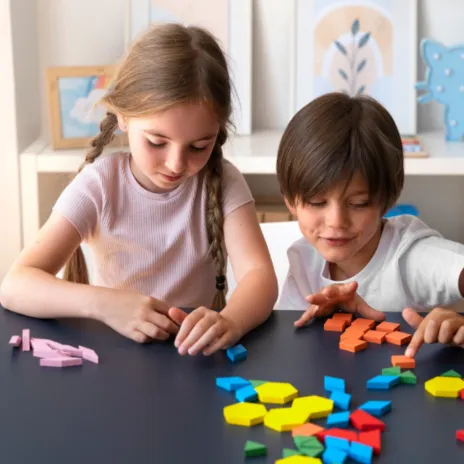
Play can also look different. Some children repeatedly arrange toys, focus on specific parts of objects, or prefer familiar play patterns instead of varied pretend activities.
These behaviors should be considered alongside other developmental characteristics. Playing alone or enjoying repetitive activities is not enough to determine whether a child has autism.
Understanding these differences allows parents and teachers to offer appropriate opportunities for communication, interaction, and learning without placing unnecessary pressure on the child.
Sensory Sensitivities and Repetitive Behaviors
Sensory experiences can influence how autistic children respond to everyday environments. Some children are sensitive to loud noises, bright lights, clothing textures, or certain foods. Others actively seek movement by rocking, jumping, spinning, or touching objects repeatedly.
For example, a child may cover their ears in a busy shopping center or become distressed when wearing clothing with uncomfortable seams. Another child may strongly prefer particular foods because of their texture or smell.

Repetitive behaviors may include hand flapping, repeating sounds, arranging objects, or following familiar routines. These behaviors can provide comfort, enjoyment, or help with managing sensory experiences.
Parents can observe what happens before a child becomes distressed and identify practical ways to make daily activities more comfortable. A predictable schedule, advance warnings before transitions, and appropriate sensory accommodations may help some children.
Why Autism Symptoms May Become More Noticeable With Age
Some developmental differences become easier to recognize when children enter preschool or begin participating in more complex social activities.
At home, a child may communicate successfully with familiar family members. In a classroom, however, the same child may struggle with group instructions, conversations, transitions, or unexpected changes.
A child who speaks well may find peer interactions confusing. Another may become overwhelmed by classroom noise or have difficulty moving between activities.
These changes do not necessarily mean autism has suddenly developed. Instead, new environments may make existing developmental differences more noticeable.
Parents who recognize these challenges can discuss them with teachers and healthcare professionals to identify useful support strategies.
What Parents Should Do When They Notice Possible Signs
Recognizing possible autism symptoms is an opportunity to understand a child's needs, not a reason to make assumptions about their future.
Parents can begin by observing communication, play, responses to changes, sensory preferences, and interactions with others. Writing down specific examples can make conversations with healthcare professionals more helpful.
A pediatrician can review developmental milestones and recommend screening or a comprehensive autism evaluation when appropriate. Qualified professionals consider a child's developmental history and overall pattern of characteristics rather than relying on one symptom.
If support is recommended, options may include speech-language therapy, occupational therapy, developmental services, parent coaching, or individualized behavioral support. Some families also explore applied behavior analysis (ABA) to address practical goals such as communication, daily living skills, and independence.
The most appropriate approach depends on the child's needs, preferences, and family priorities. Support should respect the child's individuality and focus on meaningful improvements in everyday life.
Conclusion
Autism symptoms can appear differently in young children, from speech and social communication differences to sensory sensitivities and repetitive behaviors. Recognizing these variations helps parents understand that autism does not look the same in every child.
By observing developmental patterns, discussing concerns with qualified professionals, and exploring appropriate support, families can take practical steps toward meeting their child's needs. Early understanding can make everyday experiences more manageable while helping children build on their individual strengths.
Frequently Asked Questions
Can autism symptoms look different in every child?
Yes. Children may show different combinations of communication differences, repetitive behaviors, sensory sensitivities, and social challenges.
Can a child have autism without speech delays?
Yes. Some autistic children develop fluent speech but experience difficulty with social communication, conversation, or interpreting social cues.
When should parents discuss possible autism symptoms?
Parents should speak with a pediatrician whenever they have ongoing concerns about their child's communication, behavior, or development.
Can early support help young children with autism?
Individualized support can help children develop communication, daily living, and social participation skills according to their needs and goals.
Does one unusual behavior mean a child has autism?
No. A single behavior cannot establish an autism diagnosis. A qualified professional considers the child's overall development and relevant characteristics.
Read more about: Signs of autism in toddlers babies
















Sign in to leave a comment.