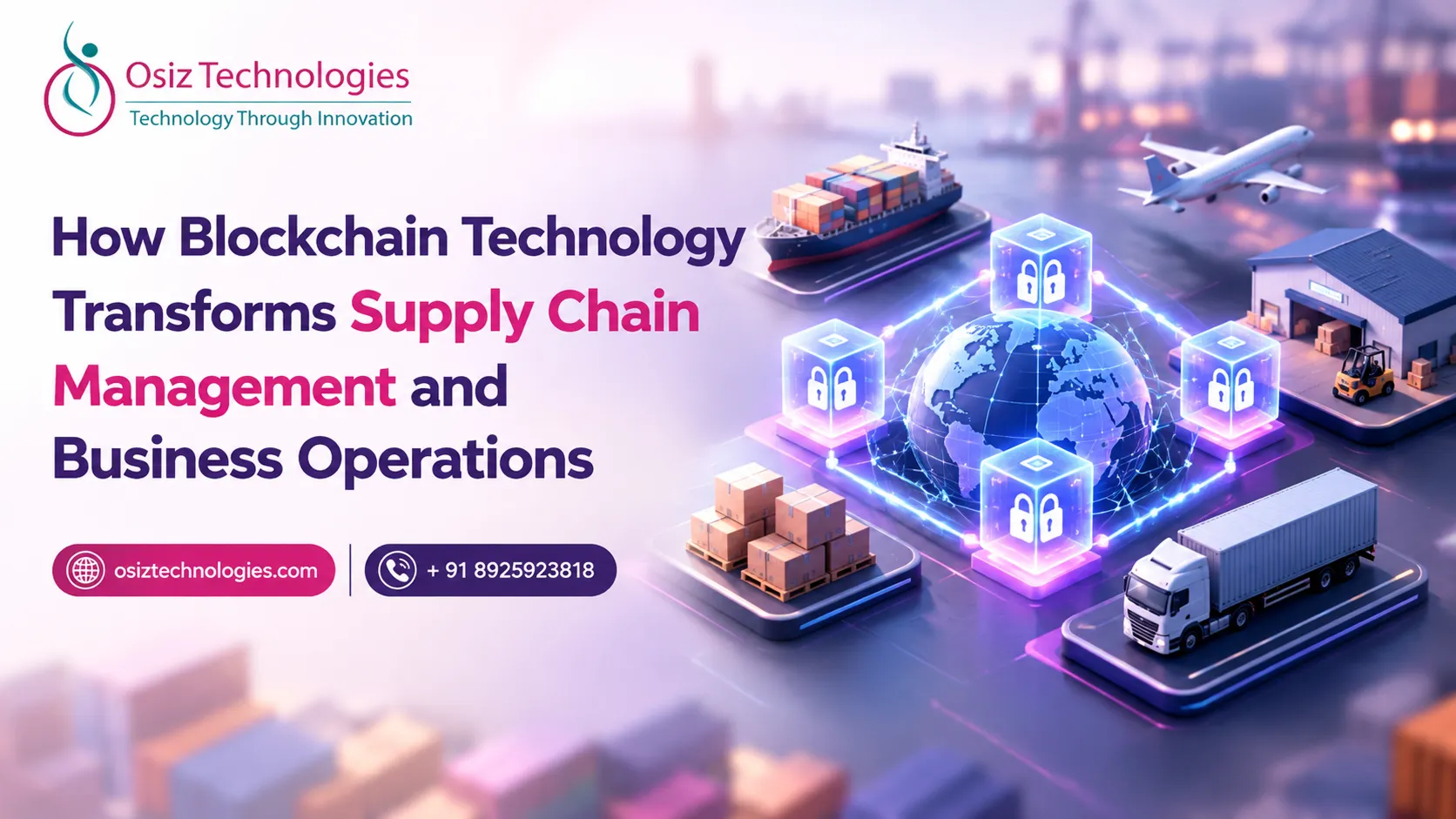

In an era where efficiency and transparency are paramount, blockchain technology emerges as a revolutionary force in supply chain management and business operations. By offering unparalleled traceability, enhanced security, and streamlined processes, blockchain is reshaping how businesses operate. This article delves into the transformative power of blockchain, exploring its benefits, real-world applications, and the challenges faced during implementation.
Understanding Blockchain Technology
Blockchain is a decentralized digital ledger that records transactions across multiple computers. This technology ensures that the recorded data cannot be altered retroactively without the consensus of the network, making it highly secure. Each transaction is grouped into a block, which is then linked to the previous block, forming a chain. This structure not only enhances security but also provides a transparent record of transactions.
The Role of Blockchain in Supply Chain Management
Supply chain management involves the flow of goods and services from the point of origin to the end consumer. Blockchain technology enhances this process by providing a transparent and immutable record of every transaction. This transparency helps in tracing the journey of products, ensuring authenticity, and reducing fraud.
How Blockchain Improves Logistics
Logistics is a critical component of supply chain management. By implementing blockchain, companies can track shipments in real-time, reducing delays and improving efficiency. For instance, logistics providers can access a shared ledger that updates automatically, allowing them to monitor the status of shipments and make informed decisions.
Benefits of Blockchain in Supply Chain
The benefits of blockchain in supply chain management are manifold:
- Enhanced Traceability: Blockchain allows for the tracking of products from origin to destination, which is crucial for industries like food and pharmaceuticals.
- Increased Efficiency: Automated processes reduce the need for intermediaries, speeding up transactions.
- Cost Reduction: By minimizing fraud and errors, companies can save significant amounts.
- Improved Security: The decentralized nature of blockchain ensures that data is secure and tamper-proof.
Blockchain Solutions for Supply Chain
Various blockchain solutions are tailored for supply chain management. These include:
- Smart Contracts: These self-executing contracts automate processes and ensure compliance without the need for intermediaries.
- Distributed Ledger Technology (DLT): DLT allows all parties in the supply chain to access the same data, enhancing collaboration.
- Blockchain-as-a-Service (BaaS): Many tech companies offer BaaS, enabling businesses to implement blockchain without extensive infrastructure investments.
Case Studies: Blockchain in Action
Several companies have successfully implemented blockchain solutions in their supply chains:
- Walmart: The retail giant uses blockchain to trace food products, ensuring safety and quality.
- IBM and Maersk: Their joint venture, TradeLens, uses blockchain to enhance transparency in shipping.
- De Beers: The diamond company tracks the provenance of diamonds to ensure they are conflict-free.
Implementing Blockchain in Supply Chain
Implementing blockchain in supply chain management requires careful planning. Here are some actionable steps:
- Identify Objectives: Determine what you want to achieve with blockchain, such as improved traceability or reduced costs.
- Choose the Right Technology: Select a blockchain platform that aligns with your business needs.
- Collaborate with Stakeholders: Engage all parties in the supply chain to ensure a smooth transition.
- Pilot Testing: Start with a pilot project to test the technology before full-scale implementation.
Challenges of Blockchain in Supply Chain
Despite its benefits, implementing blockchain in supply chains comes with challenges:
- Integration with Existing Systems: Many businesses rely on legacy systems, making integration complex.
- Scalability: As the number of transactions increases, maintaining speed and efficiency can be challenging.
- Regulatory Compliance: Navigating regulations in different regions can complicate implementation.
Blockchain and Inventory Management
Inventory management is a crucial aspect of supply chain operations. Blockchain technology can streamline inventory tracking, reduce discrepancies, and improve accuracy. By providing real-time data on inventory levels, businesses can optimize stock levels and reduce waste.
Blockchain for Traceability in Supply Chain
Traceability is essential for industries like food and pharmaceuticals. Blockchain provides a secure way to track products throughout their lifecycle, ensuring that consumers can verify the authenticity and safety of products. This level of transparency builds trust and enhances brand reputation.
Future of Blockchain in Supply Chain
The future of blockchain in supply chain management looks promising. As technology evolves, we can expect more sophisticated solutions that enhance efficiency and transparency. Innovations like artificial intelligence and the Internet of Things (IoT) will further integrate with blockchain, creating a more connected and efficient supply chain ecosystem.
Blockchain Partnerships in Logistics
Collaborations between blockchain startups and established logistics companies are on the rise. These partnerships aim to leverage blockchain technology to improve operational efficiency and reduce costs. By working together, companies can share resources and knowledge, accelerating the adoption of blockchain solutions.
Why Choose Osiz Technologies for Blockchain Development
Osiz Technologies is a Blockchain Development Company that builds blockchain-powered solutions for supply chain management, product traceability, smart contract automation, and enterprise business operations. Our approach focuses on business-specific requirements, operational workflows, and practical implementation. From supply chain tracking systems to automated business processes and enterprise blockchain applications, Osiz Technologies develops blockchain solutions designed to improve transparency, streamline operations, and fit existing business processes.



















Sign in to leave a comment.