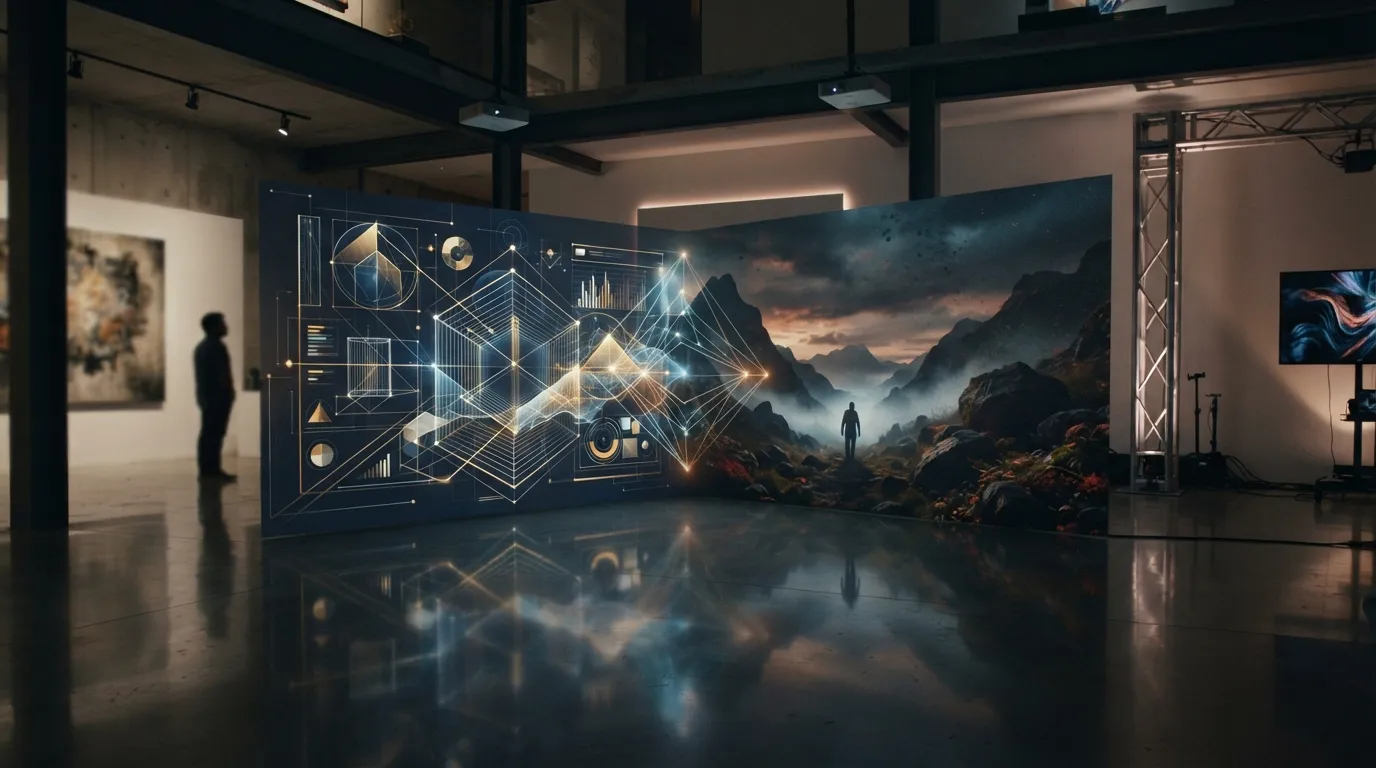

A brand can have a great product, a strong reputation, and a memorable identity, but none of that guarantees it will belong naturally in a movie.
The best entertainment partnerships happen when the brand and the film feel as though they were made to exist in the same world. Viewers should be able to see the connection without wondering why the product suddenly appeared in front of them.
That is what makes brand fit so important.
For marketers, choosing a film is not simply about finding a popular title. You also need to consider the story, characters, setting, audience, visual style, and values behind the production. When those elements align with your brand identity, product placement can become part of the storytelling instead of feeling like an interruption.
Start With Your Brand Identity
Before looking for a film opportunity, you need to understand what your brand represents.
Ask yourself what your audience associates with your company. Is your brand modern, adventurous, sophisticated, playful, practical, innovative, or traditional?
Your answer can help narrow down the entertainment environments where your product will feel most comfortable.
A technology brand with a futuristic identity, for example, may naturally fit into a film built around innovation and advanced technology. A family focused brand may be better suited to a story where family life plays an important role.
The goal is not to find a film that simply has a large audience. It is to find a film whose world makes sense for your brand.
Look Beyond Audience Size
A large audience can be attractive, but numbers alone should not determine an entertainment partnership.
Imagine your brand reaches millions of people through a film, but most of those viewers have little connection with what you sell. That exposure may not be as valuable as a smaller but highly relevant audience.
Consider who watches the film and why they watch it.
You should also look at the interests, lifestyle, expectations, and behaviors of the audience. A strong match can make the placement feel more authentic while giving the brand access to people who are more likely to remember it.
This is one reason brand integration strategies should focus on relevance rather than visibility alone.
Make the Product Belong to the Story
The strongest placements usually have a logical reason to exist within the story.
A product should not feel as though it was dropped into a scene simply because there was space for it.
Think about how the characters live. Consider where they work, what they drive, what they drink, what technology they use, and what products would realistically surround them.
When the product fits those details, viewers can accept its presence without questioning it.
As filmmaker Robert Bresson once said, “Make visible what, without you, might perhaps never have been seen.”
That idea applies well to branded entertainment. A product can add another layer to a scene when it is selected and positioned with purpose.
Consider the Film's Visual Language
Brand fit is not only about the story.
The visual identity of a film matters too.
Think about its colors, architecture, costumes, technology, locations, and overall atmosphere. A brand that looks completely different from the visual world may stand out for the wrong reasons.
On the other hand, a product that naturally complements the film's aesthetic can become almost invisible in the best possible way.
This does not mean every placement needs to blend into the background. Sometimes contrast is intentional and useful. The important thing is that the contrast should feel creative rather than accidental.
Ask These Questions Before Saying Yes
Before committing to a placement, ask whether the film reflects your brand values, whether the audience overlaps with your target customers, and whether your product has a believable role within the story.
These questions can prevent a partnership that looks impressive on paper but feels disconnected on screen.
A Strong Example of Brand and Film Alignment
Technology brands can be particularly interesting when they enter entertainment worlds that share their focus on innovation.
The Razer brand integration in TRON Ares provides a useful example of this type of alignment. The futuristic identity associated with the film creates an environment where a technology focused brand can feel relevant rather than randomly inserted.
For marketers researching similar opportunities, the Razer brand integration in TRON Ares offers a practical example of how a brand can connect its identity with the world of a major film.
This kind of strategic thinking is where Media Placement can help brands approach entertainment opportunities with greater attention to audience relevance, storytelling, and brand fit.
Avoid Partnerships That Feel Forced
Not every popular film is a good match for every brand.
A partnership can become uncomfortable when the product has no natural connection with the characters or environment. Viewers are increasingly familiar with branded entertainment, so forced placements can be easy to recognize.
You should also avoid choosing a film solely because it is receiving significant attention.
Popularity can create exposure, but relevance creates meaning.
If your brand does not fit the film, there may be better opportunities elsewhere. Walking away from an unsuitable placement can sometimes be more valuable than forcing a partnership simply because the title is popular.
For broader guidance on advertising and promotional practices, marketers can also review the Federal Trade Commission's advertising and marketing guidance.
Build a Partnership That Feels Natural
The best entertainment partnerships give both sides something valuable.
The film gets a brand that genuinely belongs within its world, while the brand gains exposure through content that already has an audience.
That relationship becomes stronger when marketers involve creative and production teams early. Instead of asking where a product can be placed, the conversation can focus on how the brand can contribute naturally to the story.
This approach creates more room for thoughtful ideas.
A product might support a character's personality, strengthen the setting, or become part of a memorable moment. When that happens, viewers are more likely to remember the brand because they encountered it within a meaningful piece of entertainment.
Final Thoughts
Finding the right film for your brand is about much more than audience size or screen time.
You need to look for shared values, audience relevance, visual compatibility, character fit, and genuine storytelling opportunities. When those elements come together, a product can feel like a natural part of the film rather than an advertisement placed inside it.
The best partnerships do not ask viewers to ignore the brand. They give viewers a reason to accept it.
When your brand identity and a film's world naturally belong together, entertainment placement can become part of the story people remember.





























Sign in to leave a comment.