

Forex trading relies on fast communication between a trader's platform, the broker's servers, and the systems responsible for processing orders. Although many traders focus on spreads, commissions, and available currency pairs, server location can also influence their trading experience. Understanding this relationship can help traders make more informed decisions when evaluating brokers.
A trading server's location affects how data travels across a network. The greater the physical distance between connected systems, the longer data may take to travel between them. This delay is known as latency, typically measured in milliseconds.
For traders using automated strategies or making frequent short-term trades, even small differences in latency may matter. However, server location is only one part of the process, and a nearby server does not automatically guarantee better execution.
Why Server Location Matters
When a trader submits an order, the request travels from the trading device to the broker's server. The broker then processes the request and may route it to liquidity providers or other systems before returning an execution confirmation.
Each stage can introduce delays. Network routing, internet service quality, server workload, and the broker's execution infrastructure can all affect the total time required.
Forex trading infrastructure is often concentrated around major financial and connectivity hubs, including London, New York, Tokyo, and Singapore. Brokers and liquidity providers may place their systems near these hubs to improve communication between trading services.
For further reading, Data Center Dynamics explains how ATFX moved trading servers to data centers in London and Hong Kong, highlighting how infrastructure placement can influence network performance.
How Latency Can Affect Trading Performance
Higher latency can affect traders in several ways, depending on their strategies and market conditions.
- Order execution delays: Orders may take longer to reach the broker's systems and receive confirmation.
- Slippage: During rapid price movements, the market price may change before an order is executed.
- Automated trading performance: Trading robots and algorithmic strategies may be more sensitive to network delays when they depend on precise timing.
- Price update delays: A slow connection may cause market information to arrive later than expected.
These effects are not guaranteed. Slippage and execution quality also depend on liquidity, volatility, order type, and the broker's execution process.
For long-term traders who hold positions for days or weeks, a small latency difference may have little practical importance. Short-term traders and users of automated strategies may benefit more from investigating connectivity.
How Traders Can Evaluate Broker Connectivity
When comparing brokers, traders should look beyond claims about fast servers. Consider the following practical steps:
- Check server information: Review the broker's official documentation to understand available trading servers and supported platforms.
- Measure connection latency: Use the trading platform's connection indicators or suitable network-testing tools to assess response times.
- Test during different sessions: Compare performance during quieter periods and busy market hours.
- Review execution quality: Where records are available, examine execution timestamps, slippage, rejected orders, and connection interruptions.
- Consider a VPS: A virtual private server located near the broker's trading infrastructure may reduce network delays for automated trading systems.
A VPS is not necessary for every trader, and moving a trading platform to a remote server will not eliminate delays caused by the broker's internal systems or liquidity providers.
Choosing a Broker Beyond Server Location
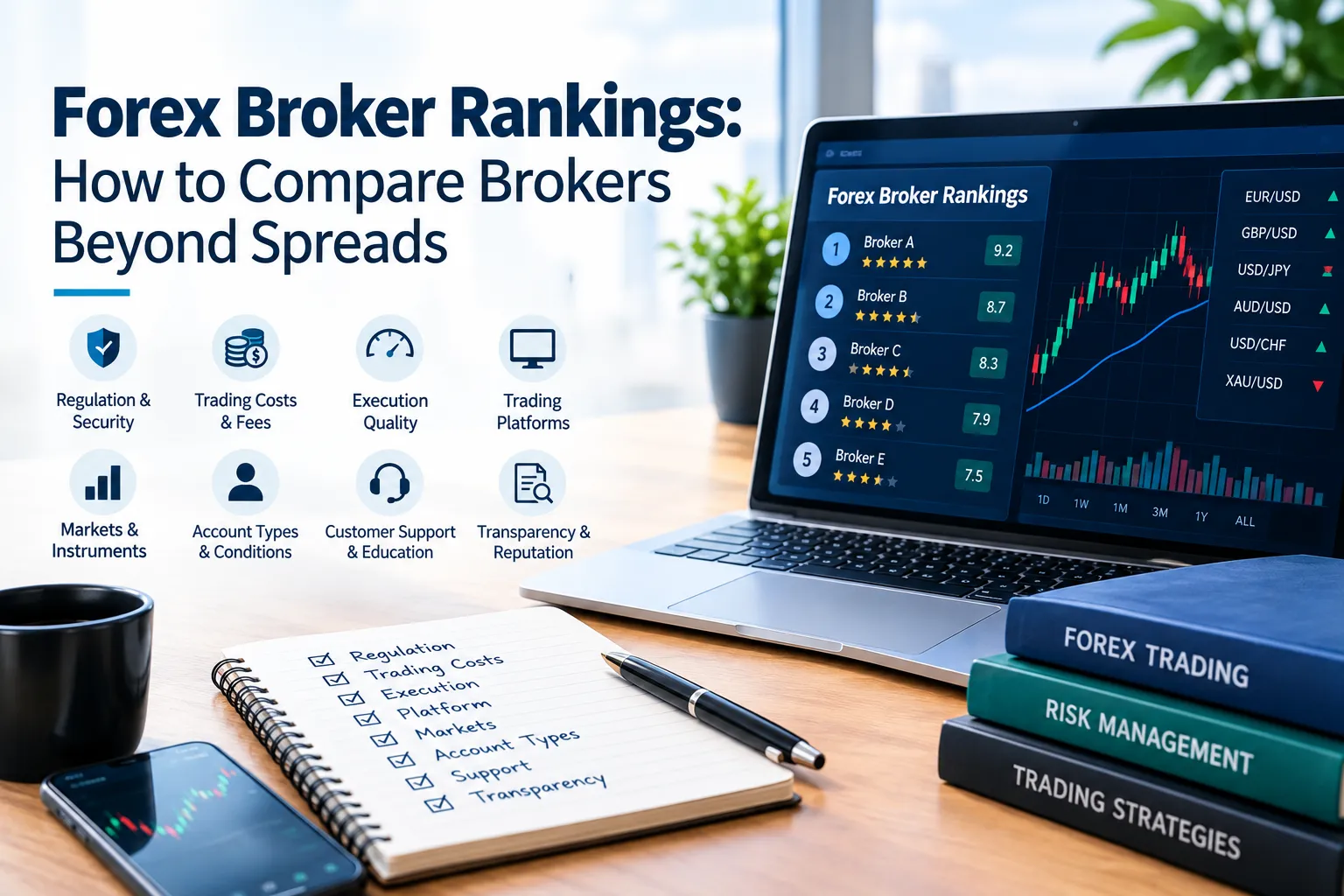
Server location should be one factor in a broader evaluation of a broker. Regulation, trading costs, execution policies, platform stability, customer support, and regional availability remain important considerations.
When researching the best forex broker, traders should assess whether its infrastructure suits their individual needs instead of assuming that a particular country or data center guarantees superior service.
Conclusion
Broker server locations can influence forex trading connectivity by affecting the time required for data to travel between systems. Lower latency may benefit certain short-term and automated strategies, but it does not guarantee better prices or profitable trades.
By measuring connectivity, reviewing execution records, and evaluating the broker's overall infrastructure, traders can make better-informed decisions about their trading setup.



















Sign in to leave a comment.