How Businesses Can Improve Employee Shuttle Capacity Management

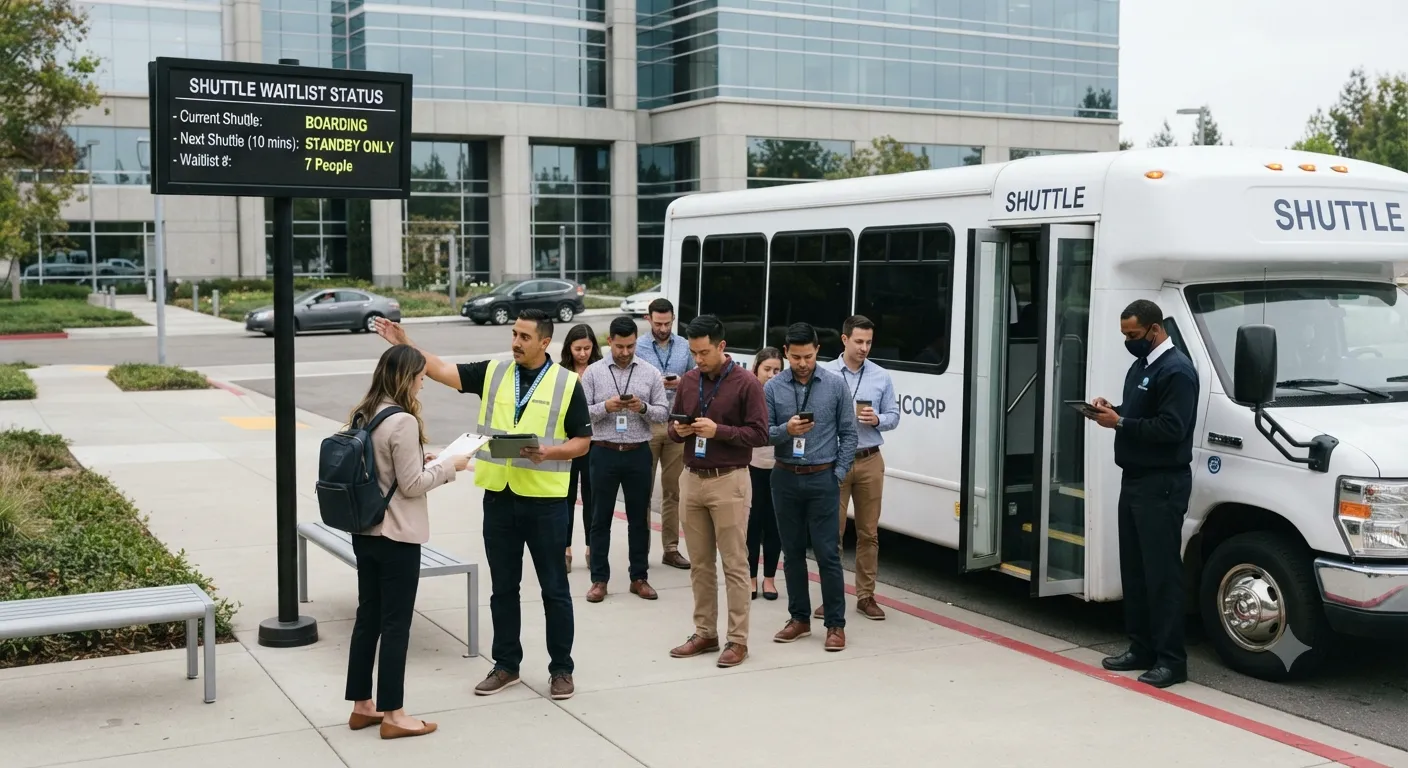
Employee shuttle programs can provide businesses with a dependable way to support daily commuting while reducing parking pressure and improving access to the workplace. As participation grows, however, transportation managers may face challenges when more employees want to use the shuttle than the available vehicles can accommodate. A practical employee shuttle capacity strategy can help businesses manage seating, reduce overcrowding, and keep employee transportation reliable as demand changes.
Effective capacity management involves much more than selecting a vehicle with enough seats. Businesses need to understand actual ridership, identify busy departures, monitor waitlists, review cancellations, and determine when additional transportation resources are necessary. By using accurate information instead of assumptions, companies can make better decisions about shuttle schedules, routes, and vehicle capacity.
Understand Current Employee Shuttle Demand
The first step toward improving shuttle capacity is understanding how employees currently use the service. The number of employees registered for a shuttle does not always represent the number of people who actually ride each day.
Some employees may use the shuttle every weekday, while others may ride only occasionally. Demand can also vary by shift, day of the week, departure time, and pickup location.
Recent employee shuttle guidance recommends tracking ridership at the individual-trip level rather than relying only on general impressions of how busy a route appears. This makes it easier to identify overcrowded departures as well as underused ones.
For example, a business may operate three morning departures, but only one consistently reaches capacity. Increasing the size of every vehicle would not necessarily be the most efficient solution. Reviewing demand by trip can reveal where capacity adjustments are actually needed.
Monitor Seating Capacity by Trip
Vehicle capacity should be evaluated alongside actual rider demand. A bus may have 40 seats, but that does not mean every departure needs to operate with 40 passengers.
Businesses should compare actual boardings with available seating for each scheduled trip. This can show whether the transportation program has a general capacity shortage or whether demand is concentrated during specific time windows.
When one trip regularly approaches its seating limit, transportation managers can consider whether another departure or a larger vehicle would be appropriate. When another trip consistently operates with many empty seats, adjusting its timing or route may improve overall utilization.
Use Waitlists as Planning Information
A waitlist is more than a way to organize employees who cannot immediately get a seat. It can also provide useful information about transportation demand.
If a particular departure consistently has a long waitlist, the company may have outgrown its existing capacity. On the other hand, a short waitlist that appears occasionally may represent temporary demand rather than a permanent shortage.
Businesses should track how many employees are waitlisted, which departures generate the most requests, and how often waitlisted employees eventually receive seats. This information can help transportation managers decide whether the current system is sufficient or needs additional resources.
The key is to treat waitlist data as a planning signal rather than simply allowing the list to grow indefinitely.
Establish Clear Capacity and Waitlist Rules
A well-managed shuttle program needs transparent procedures for handling limited seating. Employees should know how seats are assigned when demand exceeds capacity.
A first-come, first-served waitlist can provide a straightforward system, while some organizations may use other priorities based on their operational requirements. Whatever method is selected, it should be communicated clearly and applied consistently.
Employees should also know what happens when a seat becomes available because of a cancellation. A defined response period can help transportation coordinators fill open seats quickly rather than leaving them unused.
Clear rules can reduce confusion and make the shuttle program easier to manage as participation increases.
Improve Reservation and Cancellation Management
Reservations can help businesses understand expected demand, but they are most useful when they accurately reflect actual ridership.
Repeated no-shows can make a shuttle appear more heavily booked than it really is. Meanwhile, employees waiting for seats may remain on the waitlist even though reserved seats are going unused.
A clear cancellation policy can help improve capacity utilization. Employees should know when they are expected to cancel and how last-minute changes are handled.
Tracking no-shows separately from genuine demand can also help transportation managers determine whether additional capacity is truly necessary.
Consider Larger Vehicles
When demand consistently exceeds available seating, a larger vehicle may provide a practical solution. Depending on the route and passenger volume, businesses may consider moving from a smaller shuttle to a larger-capacity vehicle.
However, vehicle size should not be evaluated only by seat count. Pickup locations, road access, parking areas, loading zones, traffic conditions, accessibility requirements, and route length can all influence the best vehicle choice.
A larger bus may solve a capacity issue on one route while being impractical on another. Businesses should therefore evaluate the complete operating environment before making a vehicle change.
Add More Shuttle Departures
Increasing the number of departures can be another effective way to manage capacity. Instead of transporting every employee during the same time window, businesses can distribute riders across multiple trips.
This can work particularly well when employees have some flexibility regarding arrival times. A second departure close to the busiest trip may reduce overcrowding without requiring a significantly larger vehicle.
The schedule should account for the complete route cycle, including travel time, boarding, unloading, traffic, and vehicle repositioning. A schedule that looks efficient on paper may not work reliably if there is insufficient time between departures.
Review Pickup Locations and Routes
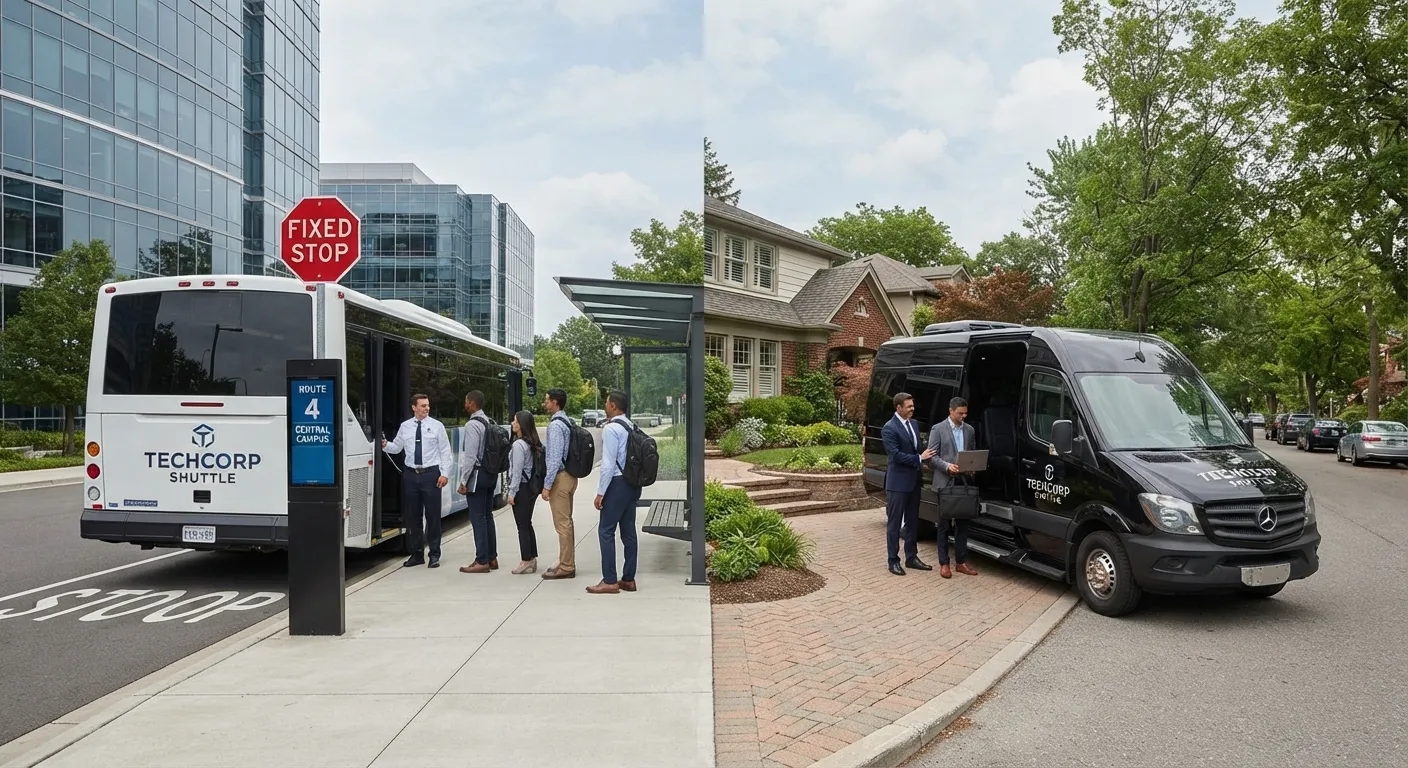
Pickup locations can have a major effect on shuttle capacity. Some stops may consistently generate large numbers of passengers, while others may have very low ridership.
Reviewing boarding data by stop can help businesses determine whether a route needs adjustment. A company might be able to redistribute passengers, modify a pickup location, or adjust departure times to make better use of available seats.
Route changes should also consider employee convenience. A solution that improves capacity but significantly increases commute time may reduce shuttle participation rather than improve it.
Plan for Workforce Growth
Capacity management should also account for future employee growth. Hiring increases, new shifts, office expansions, seasonal staffing, and changes in workplace attendance can all increase shuttle demand.
Businesses should review historical ridership and waitlist information when forecasting future needs. If demand is increasing consistently, transportation managers can begin evaluating additional vehicles or departures before employees regularly encounter capacity problems.
Planning ahead can also provide more flexibility when negotiating transportation services and schedules.
Use Data to Improve Shuttle Efficiency
Data can help businesses make better capacity decisions. Recent industry guidance recommends tracking metrics such as riders per run, vehicle load factor, no-show rates, stop-level ridership, on-time performance, and trends over time.
These measurements can reveal whether a vehicle is appropriately sized and whether a particular departure needs additional capacity. They can also identify underused trips where scheduling changes may improve efficiency.
Businesses do not necessarily need sophisticated software to begin tracking these measurements. A consistent spreadsheet can be enough for a smaller shuttle operation, provided the same information is recorded regularly.
Communicate Capacity Changes Clearly
Employees should receive timely information when shuttle capacity or scheduling changes. If a departure is consistently full, employees need to understand how the waitlist works and when additional transportation may become available.
When a larger vehicle or additional departure is introduced, updated pickup times and locations should be communicated before the change takes effect.
Clear communication can reduce confusion and help employees plan their commute more effectively.
Review Capacity Regularly
Employee shuttle capacity should not be treated as a permanent number. Workforce needs change, and a route that worked well several months ago may eventually become overcrowded.
Regular reviews of ridership, waitlists, cancellations, no-shows, vehicle utilization, and on-time performance can help businesses identify capacity problems early.
The goal is to make adjustments before employees are consistently left without a seat.
Conclusion
Improving employee shuttle capacity management requires a combination of accurate ridership tracking, clear waitlist policies, effective reservation management, appropriate vehicle selection, and flexible scheduling. Businesses should look beyond total employee numbers and understand how demand changes across individual trips and pickup locations.
When waitlist activity consistently shows that demand is exceeding available seating, companies can use that information to evaluate larger vehicles, additional departures, or route changes. With regular monitoring and proactive planning, businesses can maintain a reliable employee shuttle service that adapts to workforce growth while making efficient use of transportation resources.





Sign in to leave a comment.