

Modern surveillance systems do more than record activity around a business premises. They can generate large amounts of video footage, access records, alerts, and other security-related information. As businesses increasingly depend on connected security technology, protecting this information has become an important part of maintaining an effective security system.
A surveillance system may be installed to protect people, property, and operations, but the information produced by that system also needs to be managed carefully. Poor storage practices, unrestricted access, or neglected system maintenance can reduce the overall value of surveillance technology.
Understand What Surveillance Data Contains
Security cameras can capture information about employees, visitors, customers, vehicles, deliveries, and activities taking place around a property. Depending on the system, surveillance platforms may also store access events, timestamps, alerts, and other operational information.
Before deciding how this information should be handled, businesses should understand what their systems are collecting and where that information is stored.
This can include:
- Video recordings from security cameras
- Access control records
- Alarm and event notifications
- Visitor information
- System activity logs
- Images or recordings exported for incident investigations
Having a clear overview makes it easier to establish appropriate storage and access procedures.
Limit Access to Security Information
Not every employee needs access to surveillance recordings.
Businesses can create role-based access procedures so that employees only have access to the information required for their responsibilities. For example, security personnel may need access to live camera feeds, while management may only need access to recordings during specific investigations.
Restricting access can reduce the possibility of recordings being viewed, copied, or shared unnecessarily.
Businesses should also review user permissions regularly, particularly when employees change roles or leave the organization.
Choose Appropriate Storage Solutions
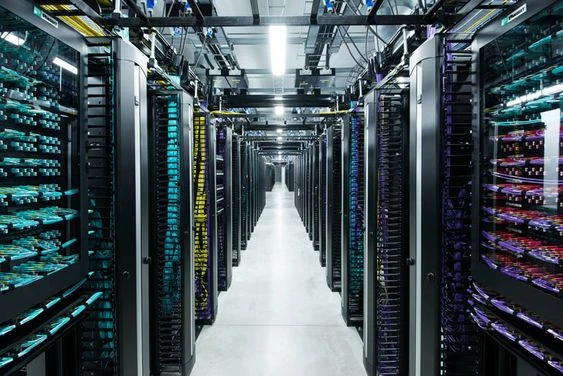
Surveillance systems can produce substantial amounts of video data, particularly when multiple cameras operate continuously.
Businesses should therefore consider how long recordings need to be retained and where they should be stored. Depending on operational requirements, organizations may use local storage, network storage, cloud-based platforms, or a combination of different approaches.
Storage planning should take into account:
- Number of cameras
- Video resolution
- Recording schedules
- Retention requirements
- Available storage capacity
- Backup requirements
- System scalability
A storage plan can help prevent situations where important footage is automatically overwritten before it can be reviewed.
Protect Connected Surveillance Systems
Many modern security cameras are connected to business networks. This creates additional considerations beyond physical camera protection.
Businesses should make sure connected surveillance equipment is managed properly. Strong account credentials, controlled user access, appropriate network configuration, and regular software maintenance can help reduce avoidable security risks.
Security teams should also know which devices are connected to the surveillance network and maintain an updated inventory.
Create a Clear Footage Retention Policy
Keeping every recording indefinitely is not always practical.
Businesses can establish a retention policy that explains how long different types of recordings should be kept and when they should be securely deleted. The appropriate period can depend on the organization's operational requirements, incident investigation needs, and applicable legal or regulatory obligations.
A documented policy also helps employees understand how surveillance information should be handled instead of leaving retention decisions to individual users.
Make Important Footage Easy to Retrieve
Security information is most useful when it can be found quickly.
If an incident occurs, security personnel may need to locate footage from a particular camera and time period. A poorly organized system can make this process unnecessarily difficult.
Businesses should maintain clear camera names, accurate timestamps, and organized recording systems. Where available, search and filtering features can also help security teams locate relevant events more efficiently.
Integrate Surveillance With the Wider Security Strategy
Surveillance should not be treated as an isolated technology.
Cameras can provide visual information, while access control can show who attempted to enter an area and alarm systems can indicate when an unusual event occurred. Bringing these sources together can provide security teams with a clearer picture of what happened.
An experienced E Surveillance Company can help businesses evaluate how surveillance technology can fit into a broader electronic security strategy.
Prepare for Equipment or Network Failures
A surveillance system can become less useful if critical equipment suddenly stops working.
Businesses should have procedures for dealing with camera failures, network interruptions, storage problems, and power-related issues. Important systems may also benefit from backup power or redundant components depending on the operational requirements of the facility.
Regular testing can help identify problems before they affect security monitoring.
Review Security Practices Regularly
Technology and business operations change over time.
New cameras may be installed, facilities may expand, employees may change roles, and network infrastructure may be updated. These changes can affect how surveillance information is collected and protected.
Periodic reviews allow businesses to check whether user permissions, storage capacity, retention policies, equipment inventories, and maintenance procedures remain appropriate.
Conclusion
Modern surveillance systems can provide businesses with valuable information about activity across their premises. However, collecting video footage is only one part of an effective surveillance strategy.
Businesses should also think about who can access recordings, where information is stored, how long it is retained, how quickly it can be retrieved, and how the system is maintained.
By treating surveillance data as an important part of the overall security infrastructure, organizations can build systems that are easier to manage, more reliable, and better aligned with their everyday operational needs.























Sign in to leave a comment.