

Introduction
Technology investments can help businesses improve the way they work, communicate with customers, and manage everyday operations. However, buying new software or launching a digital platform does not automatically create business growth. Companies need to understand their requirements and choose solutions that deliver practical results.
A well-planned digital strategy connects technology with business objectives. It helps organizations reduce repetitive work, improve customer experiences, manage information, and respond to changing market demands.
With the right technical expertise and a clear implementation plan, businesses can turn technology investments into lasting improvements rather than treating them as one-time projects.
1. Start With Clear Business Objectives
Before investing in new technology, businesses should identify the problems they want to solve. Some organizations may need to improve customer communication, while others may want to simplify internal processes or manage growing amounts of information.
Starting with clear objectives helps decision-makers avoid investing in tools that do not address their actual requirements.
For example, an organization experiencing delays in order processing may benefit from an integrated management platform. A business struggling with customer enquiries may consider a digital support system.
The important thing is to understand the challenge first and select technology that offers a practical way to address it.
2. Invest in Software That Supports Daily Operations
Disconnected systems can make everyday work difficult. Employees may need to enter the same information into different applications, manually prepare reports, or switch between multiple platforms to complete a task.
Custom-built software and integrated applications can help reduce these problems. Businesses can develop systems around their existing workflows and connect different tools to improve information sharing.
For example, a company can connect its sales, inventory, and customer management systems to make order processing easier. This can also help teams access more consistent information when making business decisions.
Organizations planning intelligent applications or AI-powered business tools can compare specialist firms working on AI-driven solutions to understand the technical expertise available.
3. Improve Customer Interactions With Digital Services
Customers increasingly expect businesses to offer convenient digital experiences. They want to find information quickly, complete transactions easily, and receive support without unnecessary delays.
Businesses can improve these interactions through responsive websites, mobile applications, online booking systems, and customer self-service platforms.
For instance, a service provider can introduce an online appointment system that allows customers to choose available slots without calling the office. An ecommerce business can simplify shopping with better product navigation, payment options, and order tracking.
These improvements can make services more accessible and help businesses maintain consistent customer interactions.
4. Use Automation to Reduce Repetitive Work
Manual processes often take up valuable employee time. Activities such as updating records, preparing reports, processing invoices, and sending routine notifications can become difficult to manage as a business expands.
Automation can help handle suitable repetitive tasks with less manual involvement. Businesses can introduce automated workflows, connected applications, and intelligent tools based on their operational needs.
However, automation should be introduced thoughtfully. Companies need to review their existing processes, identify unnecessary steps, and determine which activities can be automated without affecting quality or accuracy.
Employees should also receive proper guidance so they understand how to work with the new systems.
5. Make Better Decisions With Business Data
Data can help businesses understand customer behaviour, monitor performance, and identify areas that need improvement. However, information is only useful when it is accurate, organized, and accessible.
Businesses can use dashboards and reporting applications to bring important information together. Managers can review sales trends, customer activity, operating costs, and project progress without depending on scattered records.
For example, a business dashboard can help management identify which products generate more demand or where operational delays occur.
Regular reporting also makes it easier to evaluate whether technology investments are producing the expected results.
6. Choose a Technical Partner That Understands Your Goals
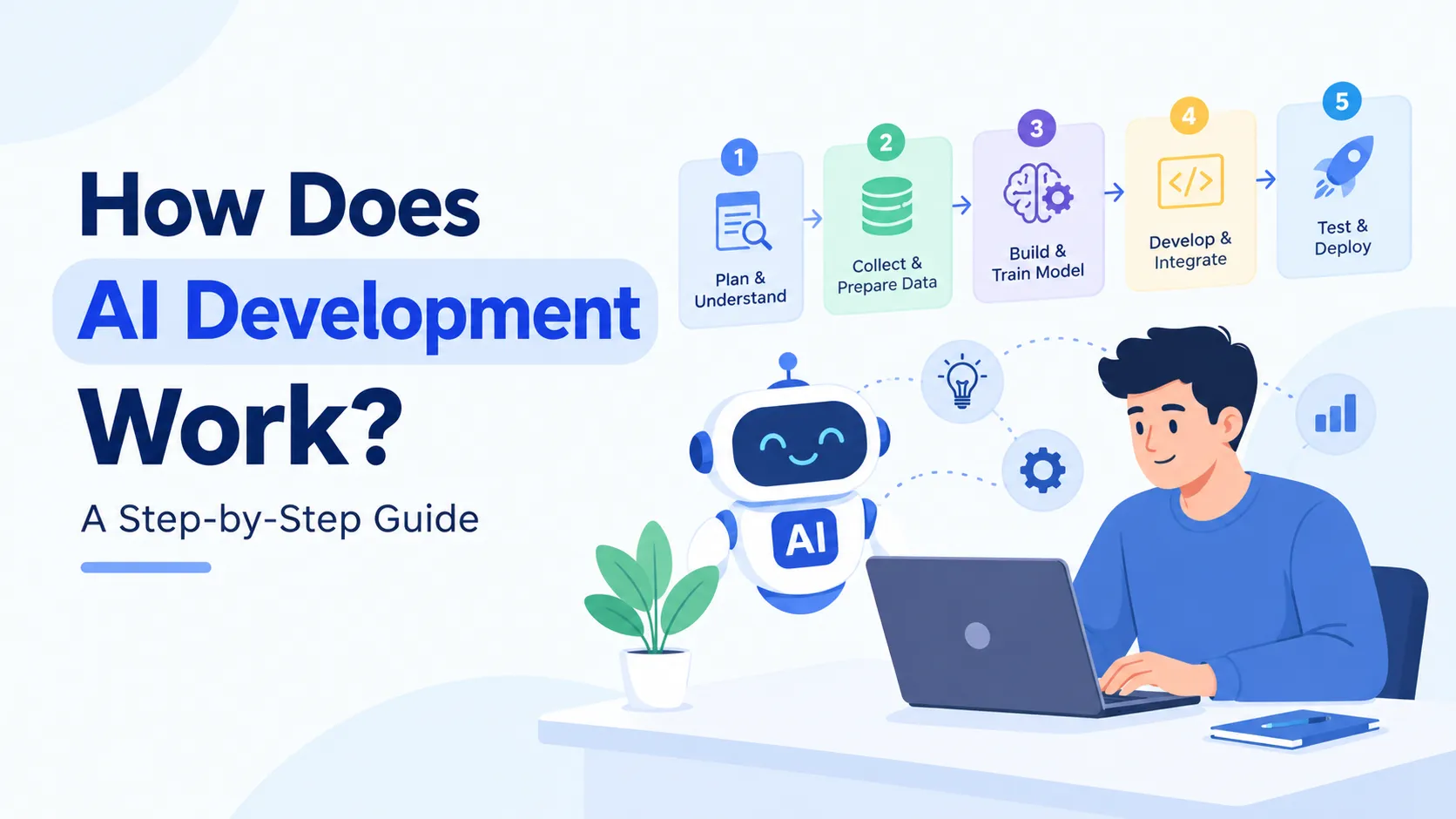
Technology projects often involve several stages, including planning, design, development, testing, implementation, and ongoing maintenance. Working with an experienced team can help businesses manage these stages more effectively.
A suitable partner should understand the business requirement, explain technical recommendations, communicate project progress, and provide support after deployment.
For instance, digital engineering services cover areas such as software engineering, AI development, cloud engineering, product engineering, and quality engineering. Businesses can review different technical capabilities to understand how multiple disciplines may contribute to a digital project.
Before choosing a partner, companies should also evaluate relevant experience, project communication, security practices, development processes, and maintenance arrangements.
7. Give Security and Maintenance Enough Attention
Digital systems handle important business information, including customer records, financial details, employee data, and internal documents. Protecting this information should be part of every technology plan.
Businesses should consider secure access controls, software updates, backups, data protection, and regular security testing. They should also establish clear responsibilities for monitoring systems and responding to technical issues.
The NIST Cybersecurity Framework 2.0 Small Business Quick-Start Guide offers practical guidance for smaller organizations that want to improve their cybersecurity risk management.
Regular maintenance is equally important. Applications need updates and performance improvements to remain reliable as business requirements and customer expectations change.
8. Measure Progress and Improve Continuously
A digital project should have clear performance indicators. Without regular evaluation, businesses may find it difficult to understand whether a new system is delivering meaningful benefits.
Depending on the project, useful measurements may include:
- Time saved through automation.
- Changes in customer satisfaction.
- Reduction in manual errors.
- Application speed and reliability.
- Improvement in sales or customer engagement.
- Easier access to business reports.
Reviewing these indicators helps companies understand what is working and where further improvements are necessary.
Digital growth should be treated as an ongoing process. Businesses that regularly review their systems and adapt to changing requirements are better prepared to make effective technology decisions.
Conclusion
Turning digital investments into business growth requires more than adopting new software or launching applications. Companies need to understand their challenges, choose suitable technologies, and work with teams that can translate business requirements into practical solutions.
From automation and integrated software to customer-facing platforms and stronger security, every technology investment should serve a clear purpose.
By setting measurable goals, selecting the right technical partner, and continuously improving their digital systems, businesses can build a stronger foundation for sustainable growth.


















Sign in to leave a comment.