
How Can Concrete Driveways Be Designed to Improve Drainage on Vancouver Properties?
Water is the quiet enemy of any driveway. In Vancouver, steady rain, damp winters and the occasional freeze-thaw cycle give it plenty of chances to do damage. Pooling water leads to stains, cracks, surface wear and, in the worst cases, problems creeping toward your foundation. The fix isn’t a magic product. It’s design: how the slab is shaped, prepared and finished before the first pour. Here’s what that looks like in practice.
Why Vancouver Driveways Struggle With Water
Vancouver’s climate swings between heavy rain, changing temperatures and the odd freeze-thaw cycle. Water that sits on concrete or seeps into small cracks expands when it freezes and widens the damage.
High-traffic surfaces take the worst of it. Add vehicle weight to constant moisture and cracks, spalling and discoloration show up faster than you’d expect.
Signs your driveway has a drainage problem:
- Puddles that linger for hours after rain
- Dark stains or green patches in low spots
- Cracks spreading along the same line
- Flaking or rough surface areas
- Water running toward the garage or house
Read the Site Before You Pour
Good drainage starts with a site assessment and design consultation, not with concrete. The team needs to look at the topography, the existing landscape and where water already wants to go.
Most homeowners skip straight to finishes. That’s the wrong order. Experienced Vancouver concrete contractors will walk the property, note how the lot slopes and plan the driveway around the water, not just the look. It’s also why a visual appraisal before any job matters. Ten minutes of observation can prevent years of repairs.
What to check:
- Which direction the lot slopes
- Where the downspouts discharge
- How close the driveway runs to the house and foundation
- Nearby surfaces and landscaping that shed water onto it
Slope, Base and Edges: The Design Choices That Move Water
A driveway should shed water, not hold it. That means a slight, consistent slope away from the house and garage, so rain heads toward the street, lawn or drainage point instead of pooling.
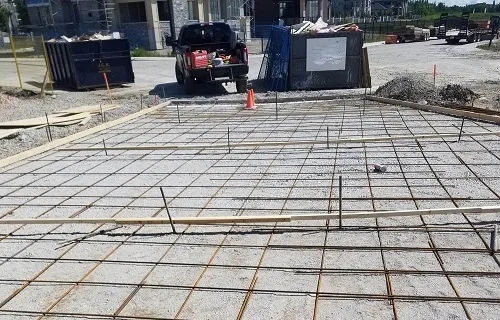
The base matters as much as the surface. Site preparation and excavation come before formwork and pouring, and rushed prep is where flat spots and settling begin.
Design priorities:
- Slope away from the home and garage
- A properly prepared and excavated base
- Accurate formwork so the finished surface holds its shape
- Smooth transitions where the driveway meets walkways or the street
Finishing and Surface Choices
The finish affects how water behaves. A well-finished surface drains evenly, and decorative options let you add character without hurting function.
Stamped concrete, also called textured or imprinted concrete, has patterns pressed into fresh concrete to mimic brick, stone, slate or wood. It’s durable, but the texture and pattern need planning so water doesn’t settle in deep grooves. Colour options and decorative finishes are available, but drainage should lead and style should follow.
Sealing, Maintenance and Repair
Sealing is your driveway’s moisture defence. Most concrete surfaces should be resealed every two to five years, and routine cleaning keeps them in good shape. With proper installation and care, a driveway can last 30 years or more.
When cracks appear, deal with them early. Crack injection fills and seals cracks to stop water getting in. Overlay systems restore worn surfaces and add a layer of protection. Epoxy resins and polyurethane sealants are among the materials used in repairs.
A simple routine:
- Reseal on schedule
- Clear debris and keep drainage paths open
- Inspect the surface after winter
- Repair small cracks quickly
Mistakes That Undo Good Drainage
- Pouring before assessing the site
- Flat or inconsistent slope
- Cutting corners on excavation and base prep
- Letting downspouts empty onto the slab
- Ignoring small cracks until winter
- Choosing a textured finish with no drainage plan
Timing matters too. Spring, summer and early fall give the best installation conditions, although experienced crews can work through much of the year.
Final Thought
A drainage-friendly driveway is designed, not patched. Begin with a proper site assessment, insist on a sloped and well-prepared base, then choose finishes and sealing that protect it for the long haul. Talk to experienced concrete contractors in Vancouver and ask how they’ll handle water before they talk about colour.






















Sign in to leave a comment.