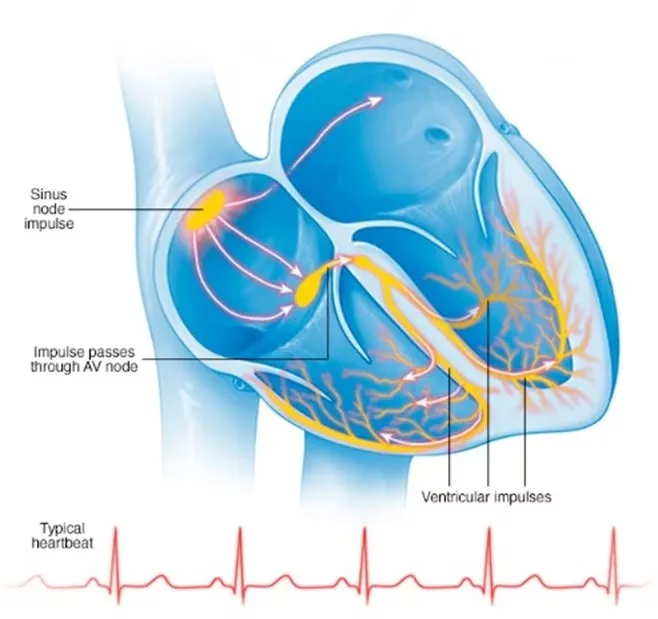

The heart normally maintains a steady rhythm through carefully coordinated electrical signals. Occasionally, an extra heartbeat can occur before the next expected beat. These premature ventricular contractions, commonly called PVCs, can feel like a skipped beat, flutter, or sudden thump in the chest. While occasional PVCs can occur in healthy people, frequent or troublesome PVCs may require medical evaluation.
For selected patients, heart ablation for pvc can be considered when premature ventricular contractions are frequent, symptomatic, or affecting heart function. The decision depends on factors such as the number of PVCs, their origin, symptoms, underlying heart health, and response to other management approaches. A cardiac electrophysiologist can assess whether ablation is appropriate.
What Are PVCs?
Premature ventricular contractions are extra heartbeats that originate in the ventricles, the lower chambers of the heart. Instead of the heartbeat beginning through the heart's usual electrical pathway, an electrical signal starts prematurely in the ventricular tissue.
After an early contraction, the heart may briefly pause before returning to its normal rhythm. This can create the sensation of a skipped heartbeat even though an extra beat has actually occurred.
PVCs can happen occasionally or repeatedly. Some people do not notice them at all, while others may feel every abnormal beat.
What Do PVCs Feel Like?
The experience can vary from person to person. Common sensations include:
- A fluttering feeling in the chest
- A skipped or missed heartbeat sensation
- A strong thump after a pause
- Pounding heartbeat
- Awareness of the heartbeat
- Light-headedness in some cases
- Shortness of breath during frequent episodes
Symptoms alone cannot determine whether PVCs are harmless or require treatment. Proper cardiac assessment is important, particularly when symptoms are frequent or worsening.
What Causes Frequent PVCs?
PVCs can occur without an identifiable cause. However, several factors may contribute to their occurrence or increase their frequency.
Possible triggers include:
- Stress or anxiety
- Lack of sleep
- Excessive caffeine
- Certain medications or stimulants
- Alcohol consumption
- Electrolyte abnormalities
- Underlying heart disease
Some people may have PVCs even when their heart is structurally normal. In other cases, frequent PVCs can occur alongside conditions affecting the heart muscle.
A detailed medical assessment can help identify possible contributing factors.
How Are PVCs Diagnosed?
The first step is usually a medical history and physical examination. An electrocardiogram (ECG) can capture the heart's electrical activity and may identify PVCs when they occur during the test.
Because PVCs can be intermittent, additional monitoring may be necessary.
Holter monitoring records heart rhythms continuously for a specified period and can help determine how often PVCs occur.
Event monitoring may be useful when abnormal beats occur less frequently.
Echocardiography can assess the structure and pumping function of the heart.
In some cases, cardiac imaging or an electrophysiology evaluation may provide additional information about the source and significance of the abnormal beats.
When Is Ablation Considered?
Not every patient with PVCs requires an invasive procedure. Occasional PVCs without significant symptoms may simply be monitored.
Ablation may be considered when PVCs are frequent and cause substantial symptoms, when medications are ineffective or poorly tolerated, or when frequent PVCs are suspected of affecting the heart's pumping function.
The decision is based on an individualized assessment. Doctors may consider the PVC burden, symptoms, location of the abnormal electrical focus, heart function, and overall health before recommending the procedure.
How Does PVC Ablation Work?
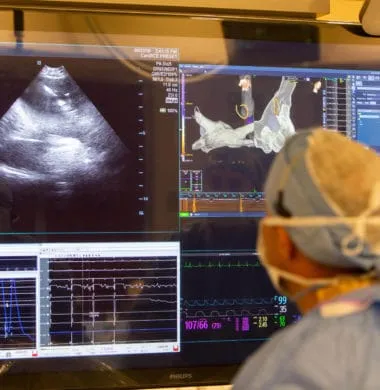
Catheter ablation is performed by an electrophysiologist in a specialized cardiac laboratory. The procedure generally involves inserting thin, flexible catheters through a blood vessel and guiding them toward the heart.
The specialist uses electrical signals and mapping technology to identify where the PVCs originate. Once the source is located, energy is delivered to the targeted area to reduce or eliminate the abnormal electrical activity.
Depending on the location of the PVCs, the approach and equipment used can vary. Some PVCs may arise from areas that are relatively straightforward to access, while others may require more detailed mapping.
The exact technique is selected according to the patient's anatomy and the location of the abnormal electrical focus.
What Are the Benefits of Ablation?
For appropriately selected patients, successful ablation can reduce the frequency of PVCs and may improve symptoms.
Potential benefits can include:
- Fewer premature beats
- Reduced awareness of abnormal heartbeats
- Improvement in symptoms
- Potential improvement in heart function when frequent PVCs have affected it
- Reduced reliance on certain medications in some cases
Results vary, and no procedure can guarantee the same outcome for every patient.
What Are the Risks?
Although catheter ablation is minimally invasive, it is still a medical procedure and carries potential risks. These can include bleeding or bruising at the catheter insertion site, blood vessel complications, abnormal heart rhythms, infection, or injury to nearby cardiac structures.
The level of risk depends partly on where the PVCs originate and the specific approach used during the procedure.
Before treatment, the electrophysiologist should explain the expected benefits, potential complications, alternatives, and recovery process.
What Is Recovery Like?
Recovery after catheter ablation varies depending on the procedure and the patient's overall health. Patients are generally monitored after the procedure before being discharged according to their medical team's recommendations.
The catheter insertion site may need to be kept clean and protected. Patients may also receive temporary restrictions regarding strenuous activity.
Follow-up appointments are important because the medical team may use ECGs, Holter monitoring, or other tests to evaluate the heart rhythm after treatment.
Some patients may notice occasional abnormal beats during recovery. Any persistent, worsening, or concerning symptoms should be discussed with the treating medical team.
How Can TheHeart.ae Help?
TheHeart.ae provides access to specialized cardiac and electrophysiology care for patients experiencing abnormal heart rhythms. Patients can discuss symptoms such as frequent palpitations, skipped beats, or persistent awareness of their heartbeat with experienced specialists.
Through appropriate testing and evaluation, the medical team can determine the nature and frequency of PVCs and identify whether additional treatment may be required.
If ablation is being considered, patients can receive information about the procedure, preparation, potential risks, recovery, and follow-up based on their individual cardiac condition.
Conclusion
PVCs are common extra heartbeats that can occur occasionally or frequently. While many PVCs do not require specific treatment, frequent or symptomatic episodes may need detailed cardiac evaluation.
Heart ablation for pvc may be an option for selected patients when symptoms are significant, PVCs are frequent, medications are unsuitable, or heart function may be affected. The procedure uses specialized mapping and catheter-based techniques to locate and treat the source of abnormal electrical activity.
TheHeart.ae helps patients access specialized cardiac care and understand their available options through professional evaluation. Anyone experiencing persistent palpitations or unexplained changes in heart rhythm should consult a qualified cardiac specialist for appropriate assessment and guidance.


























Sign in to leave a comment.