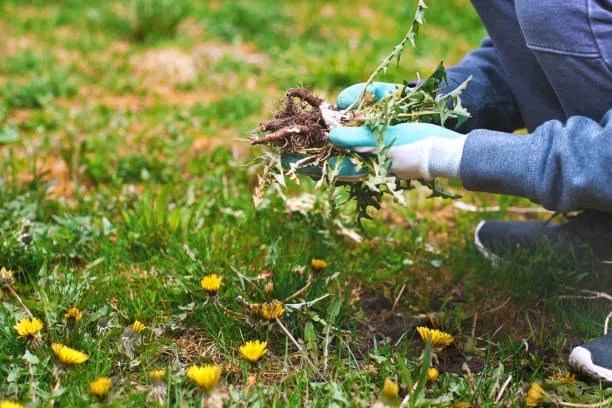

Achieving a completely weed-free lawn is the ultimate goal for many homeowners. However, the reality of nature is that weed seeds are constantly carried by wind, birds, and animals, meaning they will always attempt to invade. Permanent success does not come from a single treatment, but rather from creating a landscape that is too healthy and dense for weeds to establish themselves in the first place.
Establishing Long-Term Success for Fertilization and Weed Control
Total control requires a multi-faceted approach. You cannot simply kill existing weeds and expect the lawn to stay perfect forever. You must replace the space left behind by those weeds with healthy, desirable grass. By utilizing professional services such as fertilization and weed control, you ensure that every part of your lawn receives the necessary attention to remain thick, competitive, and resilient against any future unwanted growth.
Cultural Practices for Lasting Fertilization and Weed Control
Aside from chemical applications, your daily and weekly habits play a massive role in weed prevention. Mowing your grass at the proper height is one of the most effective ways to shade out weed seeds. When you cut the grass too short, you allow sunlight to reach the soil, which triggers germination. Furthermore, regular aeration and overseeding help fill in thin areas, preventing weeds from finding a place to take hold.
The Role of Soil Health in Fertilization and Weed Control
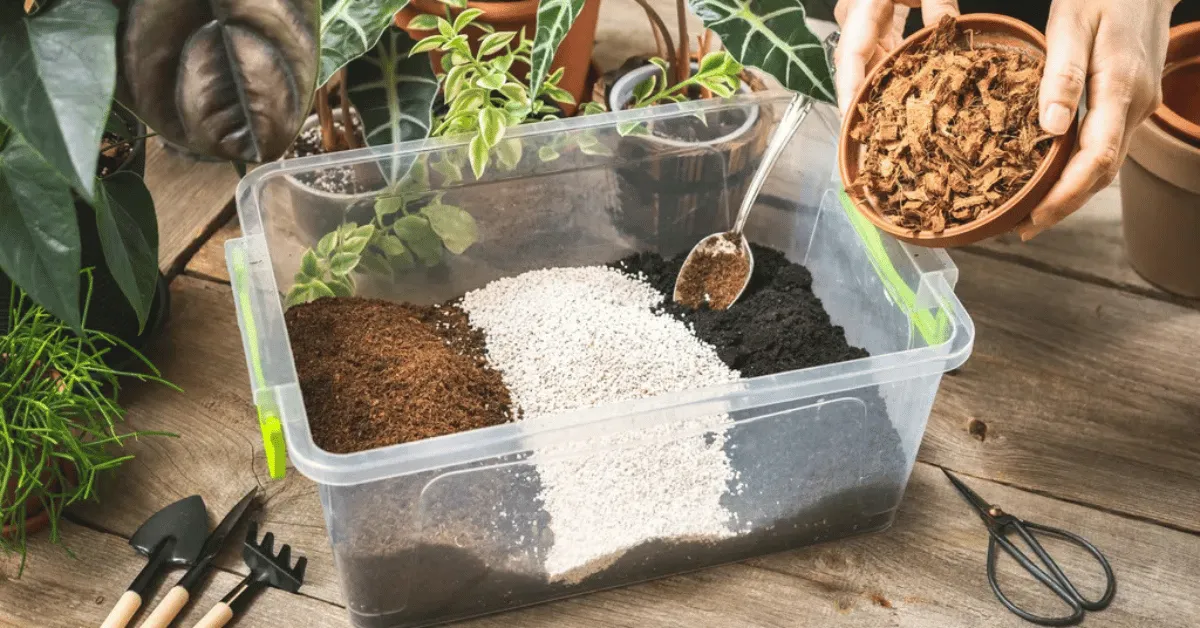
Weeds are often opportunistic, taking advantage of poor soil conditions where grass struggles to grow. Testing your soil is a critical step in identifying nutrient imbalances or improper pH levels. By correcting these issues through targeted amendments, you provide your grass with a competitive advantage. A strong, deep-rooted lawn is naturally more effective at resisting weeds than one that is malnourished or suffering from compacted soil structure.
Consistency in Your Fertilization and Weed Control Plan
There is no "magic bullet" for permanent weed removal. Instead, it is the cumulative effect of a year-round program that truly works. Even when the lawn looks great, continuing your maintenance cycle is essential. By staying ahead of seasonal weed cycles, you prevent invasive plants from dropping new seeds into your soil. This proactive cycle creates a self-sustaining, beautiful environment that keeps your residential property looking pristine throughout the entire year.
Conclusion
Permanent weed management is less about eradication and more about creating an inhospitable environment for invaders. By focusing on soil health, proper mowing heights, and consistent feeding, you can build a lawn that naturally resists most weeds. While professional help makes the process easier, your commitment to a regular maintenance schedule is the most important factor in keeping your outdoor space healthy, clean, and visually appealing for many years to come.























Sign in to leave a comment.