
A busy city street serves more than cars. Buses stop to collect passengers, cyclists share road space, delivery vehicles need loading areas, and pedestrians cross between shops and offices. Mobility Planning Services help communities consider these competing needs before changing streets or building new facilities. The goal is not simply to move vehicles faster. It is to make daily journeys safer, easier, and more practical for people using different forms of transportation. What could happen if city streets were planned around everyone who uses them?
Why Are Mobility Planning Services Important for City Streets?
Urban transportation works best when roads, sidewalks, transit stops, and nearby developments are considered together. A street that carries heavy traffic may also connect residents to schools, businesses, and public spaces. Planning only for vehicle capacity can overlook people walking or using bicycles.
Complete streets design takes a broader approach. Depending on local conditions, improvements may include safer crossings, clearer lane arrangements, accessible sidewalks, and connections to transit. These changes require attention to available space, safety concerns, and how people actually travel.
Creating Safer Routes for Daily Travel
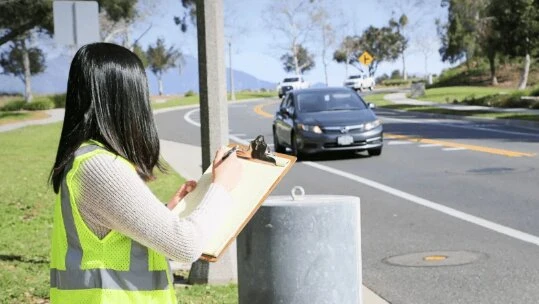
Mobility Planning Services can support decisions about where travelers face delays, confusing intersections, or limited access to public transportation. Data collection and mobility studies help planners understand traffic patterns, pedestrian activity, and interactions among different travel modes.
For example, a busy commercial district may need better walking routes between parking areas, bus stops, and storefronts. A residential neighborhood may benefit from clearer crossings or more connected cycling routes. Rather than applying the same design everywhere, planners can recommend changes based on each area’s needs. Public feedback also matters because residents and commuters often notice difficulties that traffic counts alone cannot explain.
Making Better Use of Curbs and Transit Connections
Not every transportation problem requires a new road. Curbs are valuable spaces used by delivery drivers, rideshare vehicles, buses, cyclists, and people accessing businesses. When these activities compete for limited room, delays and unsafe stopping can follow.
Curb lane management can help define where loading, passenger pickup, and parking should occur. Transportation demand management plans can also encourage travel choices beyond driving alone, such as transit, walking, cycling, or shared trips. Transit-oriented development design brings destinations closer to public transportation, while clear wayfinding signage helps people navigate unfamiliar areas. Together, these measures can make existing transportation networks more useful.
Coordinating Streets During Construction
Transportation systems must continue functioning when road repairs or development projects disrupt normal routes. An MOT Plan in Florida addresses temporary traffic arrangements around work zones, including how vehicles and other road users can move through or around affected areas.
Although construction traffic management differs from long-term mobility planning, both require attention to safety, access, and local travel conditions. Coordinating temporary routes with transit stops, pedestrian paths, and surrounding businesses can help reduce confusion. This is particularly important in busy districts where a single closure may affect several nearby streets.
Using Community Input to Shape Practical Improvements
Numbers show where congestion occurs, but people can explain how a street feels to use. Community outreach gives residents, business owners, and daily commuters opportunities to share concerns about crossing times, missing connections, or difficult pickup locations.
Combining this feedback with mobility data allows planners to compare options more carefully. Changes are more likely to serve local needs when the people affected have a chance to participate.
Conclusion
Effective urban transportation planning considers the full journey, from a person’s front door to their final destination. Mobility Planning Services bring street design, travel data, curb management, and transit access into a more coordinated process. During construction, an MOT Plan in Florida can complement these longer-term efforts by addressing temporary movement and access. Every community has different constraints, so solutions should reflect actual travel patterns and public needs. If your area faces growing congestion or difficult street connections, contact a qualified transportation planning professional to discuss practical improvements.

















Sign in to leave a comment.