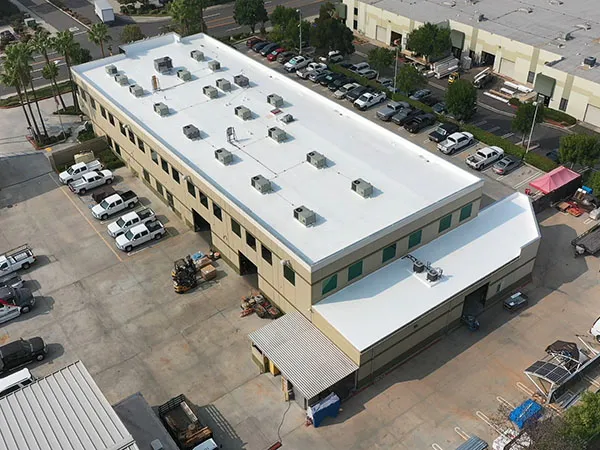

A roof is easy to overlook when everything appears to be working properly. There are no leaks, no obvious damage, and nothing demanding immediate attention. However, that is often the best time to think about roof care.

In Oceanside, roofs are exposed to a combination of coastal moisture, salt air, strong sunlight, seasonal rain, and everyday environmental debris. Over time, these conditions can affect roofing membranes, shingles, flashing, drainage systems, and other components. Small issues that go unnoticed can eventually become expensive repairs.
A proactive maintenance approach allows property owners to identify these problems before they become emergencies. It can also make budgeting easier, support longer roof performance, and help protect everything underneath the roofing system.
What Does Routine Roof Maintenance Actually Involve?
A roof is easy to overlook when everything appears to be working properly. For property owners searching for roof maintenance services in Oceanside, CA, regular professional inspections can provide a practical way to identify small issues before they develop into costly repairs.
Depending on the type of property and roofing system, this may include examining seams, flashing, penetrations, drains, gutters, vents, skylights, and areas around rooftop equipment. Debris should also be removed where it could interfere with drainage or contribute to deterioration.
For commercial properties, maintenance may be particularly important because flat and low-slope roofing systems often have extensive membrane surfaces and multiple penetrations. HVAC equipment, vents, drains, and other rooftop installations can create additional areas that need periodic attention.
Why Are Oceanside Roofs Exposed to Particular Challenges?
Oceanside's coastal location creates conditions that property owners should consider when planning roof care.
Salt particles in coastal air can gradually affect metal components, while humidity and marine-layer moisture can contribute to ongoing exposure. At the same time, Southern California's strong UV radiation can place stress on roofing materials over the years.
Rain creates another concern. When gutters, scuppers, or roof drains become blocked by leaves and debris, water may not move away from the building as intended. Standing water and poor drainage can increase the risk of deterioration and leaks.
These issues do not necessarily mean a roof will fail prematurely. Rather, they demonstrate why regular observation and timely corrective work are useful. A maintenance program can provide an organised way to monitor changing roof conditions instead of waiting until water appears inside the property.
How Can Preventative Maintenance Reduce Unexpected Roofing Costs?
One of the biggest advantages of routine maintenance is finding relatively small problems before they develop into larger ones.
For example, a deteriorating flashing detail may initially require a straightforward repair. If it is ignored and water eventually reaches the underlying structure, the scope of work can become much greater. Similarly, a blocked drainage point may seem insignificant until heavy rainfall exposes the problem.
Regular inspections can also help property owners understand how their roof is ageing. Rather than making decisions based solely on an emergency, owners can document existing conditions and plan repairs or eventual replacement according to the actual needs of the building.
Sully-Jones notes that its maintenance approach includes checking roof membranes and related components, cleaning roof and gutter areas, and reporting items that may require attention.
How Often Should a Roof Be Inspected in Oceanside?
There is no single schedule that applies to every property. Roof age, material, building use, surrounding vegetation, previous repairs, drainage design, and exposure all influence maintenance needs.
Many commercial property owners choose scheduled inspections throughout the year, with additional checks after significant weather events. A maintenance professional can recommend a schedule based on the roof's condition rather than relying on a generic timetable.
Documentation is another valuable part of the process. Inspection photographs and written observations can help property owners compare conditions over time and make more informed decisions about repairs, maintenance, and replacement.
What Should Property Owners Check Between Professional Inspections?
Professional inspections should be part of a maintenance plan, but property owners and managers can also watch for warning signs.
Look for:
- Water stains on ceilings or walls
- Loose, cracked, or damaged roofing materials
- Standing water after rainfall
- Blocked gutters or roof drains
- Damaged flashing around penetrations
- Excessive debris on the roof
- Unusual interior moisture or musty odours
- Visible deterioration around rooftop equipment
It is also important to avoid unnecessary foot traffic on roofing surfaces. Repeated access to areas that are not designed for regular walking can contribute to wear or accidental damage.
If a leak or visible defect is discovered, waiting for the next scheduled inspection may not be appropriate. Prompt professional assessment can help determine whether the issue is minor or connected to a larger roofing problem.
Sully Jones, which has served San Diego County since 1952, describes scheduled inspections and preventative maintenance as an important part of protecting roofing systems and identifying potential problems early.
When Is Maintenance No Longer Enough?
Preventative care can help extend the useful performance of a roofing system, but maintenance cannot reverse every type of deterioration.
A roof may eventually reach a point where repeated repairs no longer make practical sense. Widespread membrane deterioration, extensive moisture damage, recurring leaks, or significant structural concerns may indicate that a larger project should be considered.
The important point is that replacement should be based on the actual condition of the roof. A professional evaluation can help distinguish between an isolated repair and a system-wide problem.
For Oceanside property owners, the goal should not simply be to keep a roof looking good. It should be to understand its condition, address issues at the right time, and plan for its long-term performance.
FAQs About Roof Maintenance in Oceanside
How can I tell whether my roof needs maintenance?
Visible debris, blocked drainage, damaged flashing, recurring leaks, or signs of moisture inside the building can indicate that the roof needs attention. However, some problems are not visible from ground level, which is why periodic professional inspections are valuable.
Does roof cleaning need to be part of maintenance?
In many cases, yes. Leaves, branches, dirt, and other debris can interfere with drainage and contribute to roofing deterioration. Keeping drains and gutters clear is particularly important for properties where water must move efficiently away from the roof.
Can maintenance extend the life of a roofing system?
Regular maintenance can help identify and address developing problems before they cause more extensive damage. The actual service life of a roof still depends on its materials, installation quality, environmental exposure, age, and overall condition.
What should I do if I discover a roof leak?
Do not assume that a small leak will resolve itself. Water can travel away from the original entry point before becoming visible inside the building. A professional inspection can help identify the actual source and determine the appropriate repair.
Is a maintenance plan useful for commercial properties?
A scheduled plan can make roof care easier to manage by establishing regular inspections, cleaning, documentation, and preventative repairs. It can also help property managers anticipate roofing expenses instead of dealing with every issue as an emergency.
A roof does not usually fail because of one overlooked day. Problems tend to develop gradually. For property owners in Oceanside, regular inspections, drainage care, timely repairs, and proper documentation can make a meaningful difference in how a roofing system performs over the years. A proactive approach is often much easier to manage than waiting for a leak to force an immediate decision.





















Sign in to leave a comment.