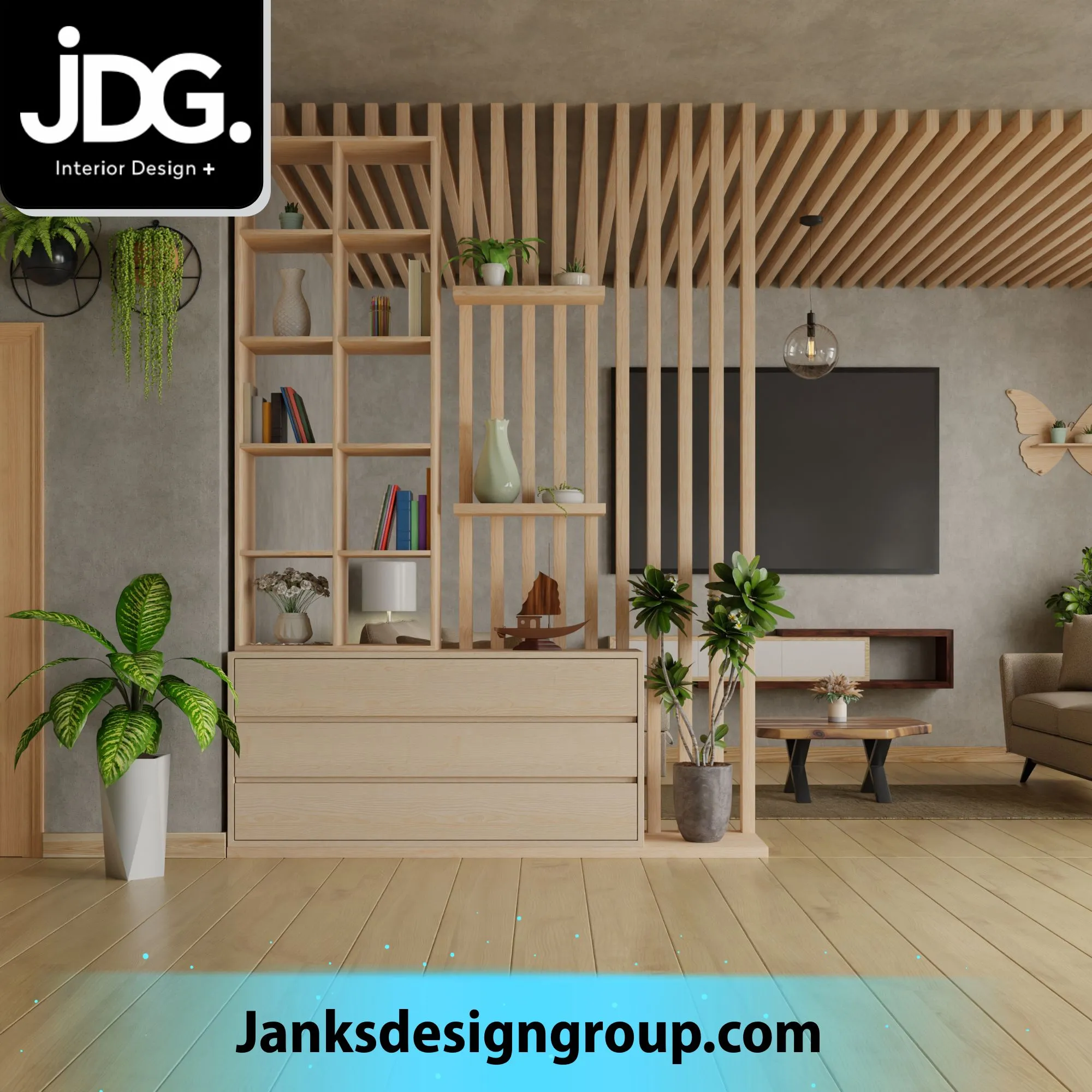


The Real Reason Good Employees Walk Away
Salary isn't always the deciding factor when someone quits. More often, it's the everyday experience of the job — and that includes the physical space they spend eight hours a day in.
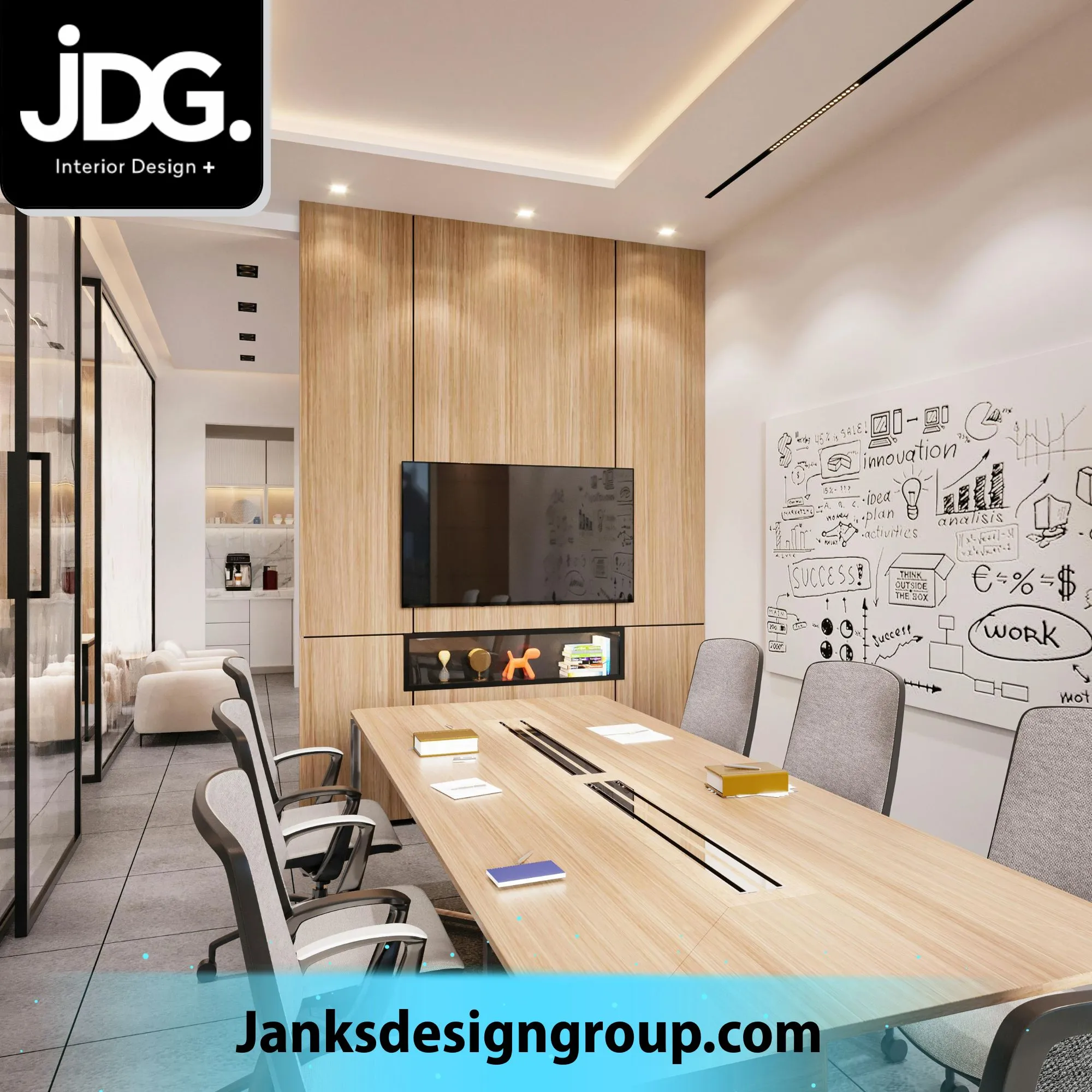
A cramped, uninspired office can quietly push people toward the door, even when the work itself is good. At Janks Design Group, we've seen firsthand how a well-planned Vancouver Corporate Interior Design can shift that experience entirely, turning an ordinary workplace into one people actually want to stay in.
Why Does Office Design Affect Retention at All?
People spend more waking hours at work than almost anywhere else. If that environment feels tired, dark, or disconnected from how the team actually works, it wears on morale over time.
On the flip side, a space that's designed around comfort, focus, and collaboration sends a message employees notice immediately: this company invests in its people, not just its output. That perception matters more than most leadership teams realize when it comes to keeping talent long-term.
What Does a Retention-Focused Office Actually Look Like?
There's no single formula, but a few elements show up again and again in offices with strong retention numbers:
- Natural light and layout variety — not everyone thrives at a fixed desk all day
- Quiet zones alongside collaborative areas so people can choose the right space for the task
- Comfortable break areas that actually feel worth taking a break in
- Acoustic control so open-plan offices don't become a constant source of noise fatigue
- Design that reflects company culture, so the space feels authentic rather than generic
None of this is about luxury for its own sake. It's about designing an environment that respects how people actually work and recharge.
How Is Vancouver Different From a Generic Office Build-Out?
Vancouver has its own rhythm — the light, the pace, the mix of tech, professional services, and creative industries calling the city home. A cookie-cutter office layout copied from another market often misses that entirely.
Good Vancouver interior design takes local context seriously: maximizing natural light during the shorter winter months, incorporating biophilic elements that reflect the city's connection to nature, and creating flexible layouts that suit hybrid work patterns common across the region. When a space feels built for the city it's in, rather than dropped into it, employees notice.
Does Design Really Move the Needle on Turnover?
Yes, and the effect compounds. Employees who feel physically comfortable and mentally supported at work are more engaged, take fewer sick days, and are less likely to start browsing job listings out of frustration.
A well-designed office also becomes a recruiting tool in its own right. Candidates notice the space during interviews, and a thoughtfully designed environment signals a company that's invested in its team — long before a single benefits conversation happens.
Small Design Choices, Big Cultural Impact
Retention isn't only about big renovations. Sometimes it's smaller shifts — better lighting in a dim corner, a redesigned break room, more flexible seating options — that change how a space feels day to day.
The goal isn't to chase trends. It's to build an office that genuinely supports the people working in it, every single day.
What Can Corporate Offices Learn From Healthcare Design?

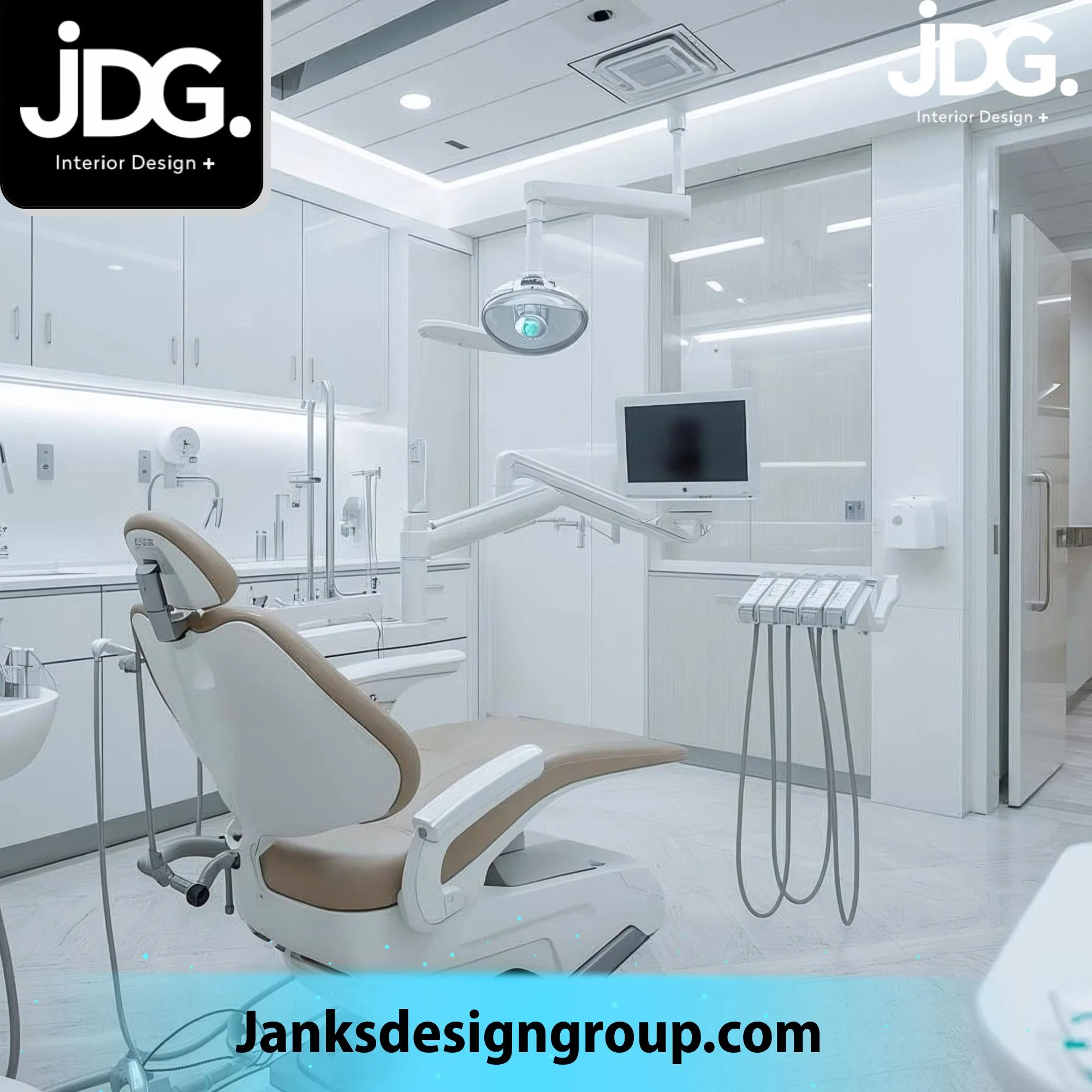
It might seem like an unusual comparison, but there's a lesson worth borrowing from healthcare spaces. In Clinic Interior Design, every layout decision is made with the person's comfort and stress level in mind — because a calmer environment leads to better outcomes.
Corporate spaces benefit from that same thinking. An employee navigating a demanding workday isn't so different from a patient navigating an appointment — both respond to calm lighting, clear layout, and spaces that reduce rather than add friction. Bringing that level of intentionality into office design pays off in how people feel by the end of the day.
Final Thoughts
At Janks Design Group, we believe office design is workforce strategy, not just aesthetics. A space that's built with real intention — for the people in it and the city around it — becomes a reason people stay, not just a place they show up to.
If your current office isn't working as hard as your team is, it might be time to rethink what your space is really saying to the people who matter most.



















Sign in to leave a comment.