The Amazon rainforest is among the most phenomenal natural environments on the planet. It spans a large land mass throughout South America, and is home to many species of mammals, birds, reptiles, amphibians, insects, and plants. The animals in the Amazon rainforest are interdependent, and they all have a role to play in maintaining the forest's balance.
To conserve this amazing environment, one cannot just say that it's beautiful. Conservation groups, local communities, researchers, volunteers and responsible visitors all play a role in the conservation of habitat and wildlife. It is important to understand how these efforts operate to be a more responsible visitor and supporter to rainforest conservation.
Why is the Wildlife of Amazon Rainforest Important?
The Amazon rainforest has an incredible amount of species that live there for shelter and food. The ecosystems are home for jaguars, sloths, monkeys, macaws, river dolphins, anacondas, frogs, and innumerable insects.
These animals are linked to each other in food chains and through natural means. Some disperse their seeds in forests, others serve as a regulating agent to other species. Habitat loss can have impacts not only on an individual animal or plant, but on the entire community.
Conservation of rainforest wildlife is therefore conservation of the whole ecosystem. Forest ecosystems offer wildlife habitats for feeding, breeding and moving amongst habitats. Biodiversity can be conserved for generations with conservation that preserves these habitats.
What are the threats to Amazon's wild animals?
Rain forest ecosystems and their animals can be impacted by several pressures. One of the primary issues is habitat loss because forests may be cleared for agricultural purposes, roads, mining, or other development.
Some species may also be under pressure due to illegal wildlife trade. Animals can be captured or killed for the illegal pet trade, for meat or for other commercial purposes.
Climate change adds to problems. Food sources and forest habitats can be influenced by variations in rainfall, temperature, and forest conditions. Each species is sensitive to certain environmental conditions, and even a slight alteration of those may have an effect on the species' survival.
It is important to understand the significance of long-term conservation work and the use of a responsible attitude toward the environment when tackling these challenges.
What can be done for the animals in the rainforest in the conservation projects?
There are multiple ways in which conservation projects can be used to protect wildlife. There is a need for better understanding and protection of rainforest ecosystems through habitat restoration, species monitoring, environmental education, and research.
Wildlife population monitoring allows conservationists to detect animal population changes and animal behaviour. Field observations, camera traps, tracking and other methods can be used to gather information.
Habitat restoration can also contribute to biodiversity by aiding in recovering damaged areas. Maintaining native vegetation provides habitat and food for wildlife and helps to restore continuous habitats.
The value of EE is also great. If local communities, as well as visitors and younger generations, grasp the value of wildlife and forests, they will become more active in the protection of their natural environment.
Is there a connection between Ethical Volunteering and wildlife conservation?
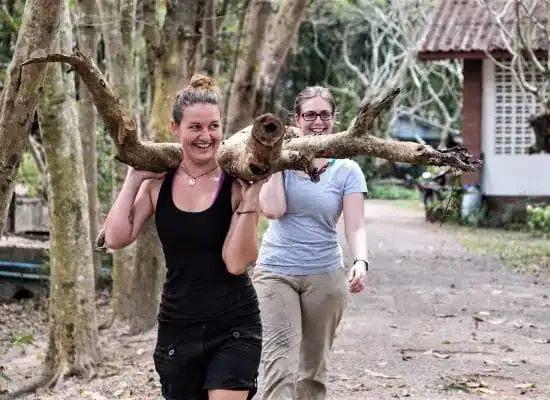
Ethical volunteering can also be a chance for people to help in conservation and to be educated on the issues facing wildlife. Responsible volunteering always should be geared towards the needs of the project, however, rather than the expectations of visitors.
These may range from the restoration of habitat, environmental education, wildlife monitoring or other conservation activities, depending on the project and organisation.
A good programme should be well-defined and work with knowledgeable conservation staff or local partners. Before volunteers participate in field activities they should be appropriately guided and informed about their responsibilities.
Respecting wildlife is also an aspect of ethical volunteering. Volunteers are not guaranteed constant contact with wild animals nor should they engage in activities that will cause unnecessary stress. It is not always the best thing to do is to get in there and do something, sometimes things are best noted from a distance, recorded or keeping the habitat the animal depends upon in good shape.
What are the steps that travellers can take to protect Amazon wildlife?
With careful planning, visitors can make informed decisions prior to and during their visit. One way to support organisations that have a positive attitude towards environmental protection is to select responsible tour operators and conservation programmes.
Travellers are advised not to engage in any activity where they handle, feed or engage in close contact with wild animals in an inappropriate manner. Don't treat wild animals as entertainment.
Another practical step is reduce waste. Use of reusables, the reduction of unnecessary plastic and adherence to local environmental guidelines can minimize the effect of travelling.
Visitors can also get to know the community they visit. Rainforest environments have important connections for indigenous and local communities, and responsible tourism is respectful of local knowledge, culture and rights.
Why Are Local Communities Important?
Conservation of the rainforest is not possible without the people who reside in and around rainforests. The local communities can be important in forest protection and surveillance of changes in their environment.
Local knowledge of landscapes, wildlife of amazon rainforest and seasonal changes can be of benefit to conservation programmes which involve members of the local community. There can also be opportunities for those to benefit from natural resource protection through supporting community-led initiatives.
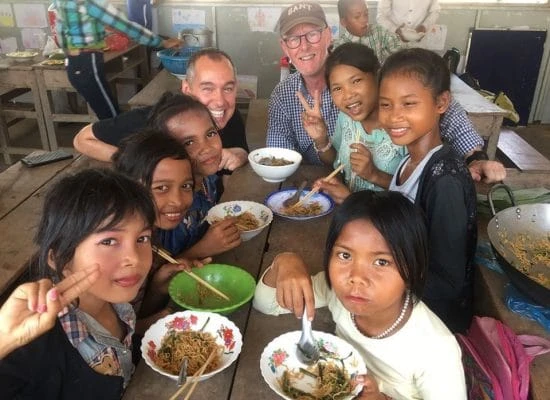
Listening to local communities is a crucial component of responsible participation for people who volunteer and for travellers. Conservation should not be a top down approach. Involving local partners in projects in a respectful manner can help make sure that projects are based on the needs of the area.
What is there to do after you have come home?
Conservation of rainforests doesn't stop at the end of the trip! Individuals can keep educating themselves on environmental issues and provide support to reliable institutions that are striving to safeguard forests and wildlife.
Reliable information can also be shared with friends and family, which can help to increase awareness. Small actions, like the unnecessary reduction of consumption or thinking of the environment of products can add to the overall conservation efforts.
It is especially crucial for those who wish to volunteer to do their due diligence on the organisations before deciding to get involved. Check for transparency and goals for conservation, local involvement, and responsible wildlife practices.
Educate people
Conservation and healthy habitats are essential to the wildlife of the Amazon rainforest. Conservation organisations, local communities, researchers, volunteers and responsible travellers need to work together for the long-term to protect this extraordinary ecosystem.
Education, informed decision-making and taking part in real conservation projects can play a crucial role in the conservation of Amazon wildlife and the health of the rainforest for generations to come.
Join Globalteer and support Amazon rainforest conservation
























Sign in to leave a comment.