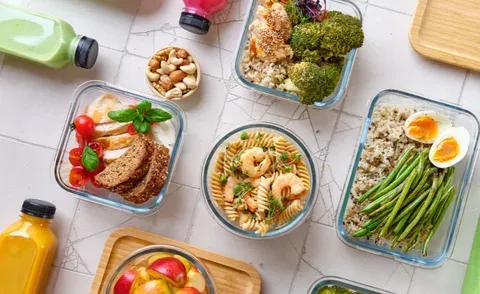

Eating healthy can feel difficult when your day is packed with work, commuting, family responsibilities, appointments, or other commitments. When time is limited, it can be tempting to skip meals, order fast food, or rely on convenient snacks.
The good news is that healthy eating doesn't have to involve complicated recipes or hours in the kitchen.
With a little planning, you can build a balanced diet around simple foods, quick meals, and practical habits that fit your schedule.
This guide explains how to eat healthier when you're busy and how to make nutritious choices easier to maintain.
What Does Healthy Eating Look Like on a Busy Schedule?
A healthy diet doesn't have to be perfect.
A balanced eating pattern generally includes a variety of:
- Vegetables
- Fruits
- Whole grains and other nutritious carbohydrates
- Protein-rich foods
- Healthy fats
- Calcium-rich foods
- Adequate fluids
The key is to make these foods convenient and accessible.
Instead of trying to completely change your diet overnight, focus on a few habits that you can realistically maintain.
1. Plan Your Meals Before the Week Gets Busy
One of the simplest ways to eat better is to plan some meals in advance.
You don't need to create a detailed seven-day meal plan. Even deciding what you'll eat for your next few lunches and dinners can reduce last-minute food decisions.
For example, you could plan:
- Breakfast options for the next few days
- Two or three simple lunch ideas
- Easy dinner combinations
- Healthy snacks to keep available
A basic plan can make it easier to avoid choosing food simply because it's the fastest option available.
2. Keep Healthy Foods Easily Available
Convenience plays a major role in food choices.
If nutritious foods require significant preparation while less nutritious snacks are immediately available, you're more likely to choose the easier option when you're busy.
Keep convenient foods such as:
- Bananas
- Apples
- Yogurt
- Nuts
- Eggs
- Oats
- Whole-grain bread
- Pre-washed vegetables
- Roasted chickpeas
available at home or, when appropriate, at work.
3. Build Quick Balanced Meals
A healthy meal doesn't have to contain many ingredients.
A simple approach is to combine:
Protein + vegetables or fruit + nutritious carbohydrate + healthy fat
For example:
- Eggs + whole-grain toast + fruit
- Chicken + rice + vegetables
- Lentils + roti + vegetables
- Tofu + brown rice + vegetables
- Yogurt + oats + fruit + nuts
This approach gives you flexibility without requiring complicated recipes.
4. Don't Skip Breakfast If It Makes You Overeat Later
Some people prefer not to eat breakfast, while others find that skipping it makes them extremely hungry later.
There isn't one breakfast schedule that works for everyone.
If breakfast works well for you, keep it simple.
Quick options include:
- Oatmeal with fruit and nuts
- Eggs with whole-grain toast
- Yogurt with fruit and seeds
- A smoothie containing fruit, yogurt or milk, and oats
- Whole-grain toast with nut butter and fruit
The goal is to choose something practical and nutritious rather than spending a long time preparing breakfast.
5. Prepare Ingredients Instead of Complete Meals
Meal preparation doesn't always mean cooking an entire week's worth of meals.
Sometimes it is easier to prepare individual ingredients.
For example, you could prepare:
- Cooked rice or another grain
- Boiled eggs
- Washed and chopped vegetables
- Cooked lentils or beans
- Grilled chicken or tofu
- Washed fruit
- Homemade sauces or dressings
You can then combine these ingredients differently throughout the week.
This can save time while keeping meals more varied.
6. Use Healthy Convenience Foods
Convenience foods aren't automatically unhealthy.
Some packaged or ready-to-eat foods can help you build a balanced meal when you're short on time.
Depending on your preferences, useful options can include:
- Frozen vegetables
- Canned beans
- Plain yogurt
- Pre-cut vegetables
- Frozen fruit
- Whole-grain bread
- Canned fish
- Pre-cooked grains
Check food labels when appropriate, particularly for products that may contain large amounts of added sodium or sugar.
7. Keep Healthy Snacks With You
Long workdays and commutes can make it difficult to find nutritious food when hunger strikes.
Keeping a small snack with you can help.
Portable options include:
- Apples
- Bananas
- Nuts
- Seeds
- Roasted chickpeas
- Whole-grain crackers
- Unsweetened or lower-sugar yogurt, where refrigeration is available
Choose foods that fit your dietary needs and storage conditions.
8. Drink Enough Water
Busy schedules can make it easy to forget about hydration.
Keep a reusable water bottle with you during work, commuting, exercise, or travel.
Your fluid needs vary based on factors such as:
- Physical activity
- Weather
- Body size
- Diet
- Pregnancy or breastfeeding
- Illness
Water is generally a simple everyday choice, although other beverages can also contribute to fluid intake.
9. Don't Depend on Fast Food for Every Busy Meal
Fast food can be convenient, but relying on it frequently may make it harder to maintain a balanced diet.
If you need to eat out, look for ways to make the meal more balanced.
For example, you might choose:
- A meal with vegetables
- A grilled protein option
- Whole grains when available
- Water or a lower-sugar beverage
- A reasonable portion size
You don't have to avoid restaurants completely. The goal is to make practical choices most of the time.
10. Learn a Few 10-Minute Meals
Having a few quick meals you can prepare repeatedly can make healthy eating much easier.
Quick Breakfast
Oatmeal + banana + nuts
Combine oats with milk or water, then add sliced banana and a small serving of nuts.
Quick Lunch
Lentils + rice + vegetables
Use previously cooked lentils and rice, then add vegetables for a simple balanced meal.
Quick Dinner
Eggs + whole-grain toast + vegetables
Prepare eggs and serve them with whole-grain toast and vegetables or fruit.
Quick Vegetarian Option
Tofu + frozen vegetables + rice
Cook tofu with frozen vegetables and serve with rice or another grain.
These are examples rather than fixed meal plans.
11. Use the "Cook Once, Eat Twice" Approach
When you do have time to cook, prepare a little extra.
For example:
- Cook enough rice for two meals.
- Prepare extra vegetables.
- Make a larger batch of lentils.
- Cook additional chicken, tofu, or beans.
You can use the leftovers for another meal instead of cooking from scratch.
Make sure leftovers are handled and stored safely according to food-safety guidance.
12. Make Your Workday Meals Predictable
If your work schedule is consistently busy, having a simple routine can help.
For example:
Breakfast: Oats + fruit + yogurt
Lunch: Rice/roti + vegetables + lentils or another protein
Snack: Fruit + nuts
Dinner: Vegetables + protein + carbohydrate
You can change the foods while keeping the basic structure.
This reduces the number of decisions you need to make every day.
13. Don't Try to Be Perfect
One of the biggest mistakes people make when trying to eat healthier is setting unrealistic expectations.
You don't need every meal to be perfectly balanced.
A busy day might include:
- A quick breakfast
- A packed lunch
- A restaurant dinner
That's okay.
Look at your overall eating pattern rather than judging yourself based on one meal.
14. Make Healthy Eating Easier at Work
If you spend most of your day at work, your workplace environment can influence your food choices.
Consider keeping some shelf-stable options nearby, such as:
- Nuts
- Seeds
- Whole-grain crackers
- Roasted chickpeas
- Oatmeal packets with minimal added sugar
If you have access to a refrigerator, you can also keep foods such as yogurt, fruit, or prepared meals.
15. Be Smart About Eating on the Go
Commuting and travel can make healthy eating more challenging.
Before leaving home, consider packing something simple.
For example:
- Fruit
- Nuts
- A homemade sandwich
- Boiled eggs
- Roasted chickpeas
- A yogurt, if you can keep it properly chilled
Having food with you can reduce the need to buy whatever happens to be available when you become hungry.
How Can You Eat Healthy When You Have Almost No Time?
If you're extremely busy, focus on the basics rather than trying to create elaborate meals.
A simple strategy is:
- Keep fruit available.
- Include a protein source with meals.
- Add vegetables whenever possible.
- Choose whole grains regularly.
- Drink enough water.
- Keep a few healthy snacks available.
- Prepare ingredients ahead of time.
- Use convenient nutritious foods when needed.
Even small improvements can make your overall diet more balanced.
Sample One-Day Healthy Diet for a Busy Person
Here's an example of a simple day:
Breakfast
- Oatmeal
- Banana
- Nuts
- Milk or yogurt
Lunch
- Whole-wheat roti
- Lentils
- Mixed vegetables
- Yogurt
Snack
- Apple
- A small handful of nuts
Dinner
- Rice or another whole grain
- Chicken, tofu, beans, or fish
- Cooked vegetables
Drinks
- Water throughout the day according to your needs
This is only an example. Individual dietary requirements can vary considerably.
Common Healthy Eating Mistakes on a Busy Schedule
Skipping Meals Regularly
Skipping meals isn't automatically unhealthy, but it can leave some people extremely hungry and more likely to make impulsive food choices later.
Relying Only on Packaged Snacks
Packaged foods can be convenient, but try to include whole or minimally processed foods when practical.
Not Eating Enough Protein
Including a protein source in meals can make a balanced diet easier to maintain.
Forgetting Vegetables and Fruits
When you're busy, these are often the first foods to disappear from meals. Keep convenient options available.
Drinking Too Many Sugary Beverages
Sweetened drinks can add substantial amounts of sugar and calories without providing the same nutritional benefits as whole foods.
How to Make Healthy Eating a Long-Term Habit
The best diet is one that fits your lifestyle and that you can maintain.
Instead of making ten changes at once, start with one or two.
For example:
Week 1: Add one serving of fruit every day.
Week 2: Add vegetables to one additional meal.
Week 3: Prepare two meals in advance each week.
Week 4: Replace some refined grains with whole grains.
Small, sustainable changes can be easier to maintain than drastic restrictions.
Final Thoughts
Building a healthy diet on a busy schedule doesn't require complicated recipes, expensive ingredients, or spending hours in the kitchen.
Focus on simple habits:
- Plan a few meals ahead.
- Keep nutritious foods easily available.
- Build meals around protein, vegetables or fruit, and nutritious carbohydrates.
- Prepare ingredients in advance.
- Use healthy convenience foods when necessary.
- Carry simple snacks when you're on the go.
- Drink enough water.
- Don't expect perfection.
The goal is to create an eating routine that works with your schedule rather than against it.
For more practical information about nutrition, healthy eating, wellness, and everyday health, Tip4Health offers additional health and wellness resources.
Disclaimer: This article is intended for general informational purposes only and does not provide personalized medical or nutritional advice. People with specific medical conditions, allergies, dietary restrictions, or special nutritional needs should consult a qualified healthcare professional or registered dietitian.





















Sign in to leave a comment.