

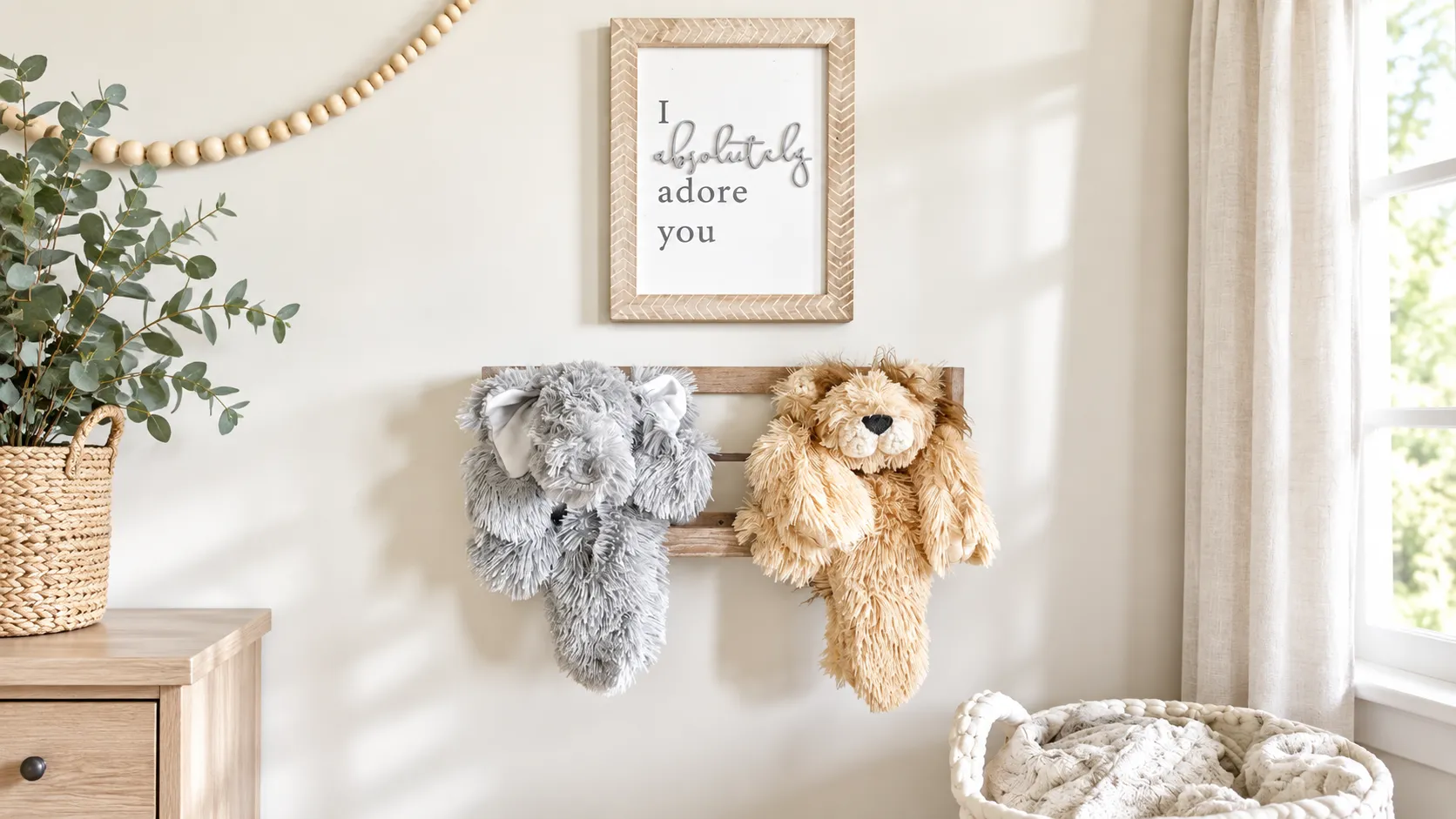
Designing a nursery around safari animals can create a warm, imaginative room without making the space feel overly bright or busy. The key is to balance playful animal details with gentle colors, soft textures, practical furniture, and enough visual space for the room to feel restful.
A well-planned safari creatures nursery should support everyday routines while giving your baby’s room a distinct personality. Rather than placing animal prints on every surface, choose a few coordinated creatures and repeat their colors or textures throughout the room. Handmade rugs, blankets, pillows, plush animals, and wall decorations from ClaraLoo can help create this connection while adding character and craftsmanship to the design.
What Makes Safari Nursery Decor Feel Calm?
Safari nursery decor feels calm when animal-themed pieces are combined with a restrained color palette, comfortable materials, gentle lighting, and an uncluttered layout. The theme should guide the room rather than dominate it.
Start by choosing one main visual feature, such as an animal-shaped rug, a handcrafted wall mount, or a subtle safari mural. Build the rest of the room around that feature using coordinated colors and smaller accents. This approach gives the nursery a clear identity while preventing competing patterns and decorations from overwhelming the space. Visual balance is especially important in a room used for feeding, changing, playing, and resting. Leaving some walls and surfaces undecorated allows the more meaningful pieces to stand out. It also helps create the peaceful atmosphere parents often want in a nursery.
Begin With a Soft Nursery Color Palette
A soft nursery color palette establishes the mood before furniture or decorations are added. Warm white, ivory, oatmeal, beige, taupe, and light gray are practical foundation colors because they reflect light and coordinate with many animal designs. Once the base color is selected, introduce two or three nature-inspired accents. Sage green can suggest grasslands and foliage, while muted clay or terracotta adds warmth. Dusty blue, soft mustard, and gentle brown can also complement safari animals without making the nursery look too colorful.
Try using a simple distribution:
- One dominant neutral color for walls and large furniture
- One secondary shade for curtains, rugs, or bedding
- One accent color for artwork and small accessories
The colors do not need to match exactly, but they should share a similar softness. Highly saturated shades can still be included in a book cover, toy, or small decorative object, but they should not compete with the room’s main palette. Consistency makes the nursery easier to update as the baby grows.
Choose a Coordinated Group of Safari Creatures
A common decorating mistake is trying to include every safari animal in one room. A more cohesive strategy is to select two to four creatures, such as a lion, elephant, giraffe, and zebra. Repeating this smaller group across artwork, textiles, and accessories gives the room a recognizable theme.
Consider the visual personality of each animal. Lions can create a warm focal point, elephants suit soft gray palettes, and giraffes introduce height and gentle pattern. Zebras add contrast, while sloths or hippos can give the room a playful character.
The illustration or construction style should also remain consistent. Realistic animal artwork creates a nature-focused room, while rounded shapes, plush textures, and friendly expressions produce a more whimsical setting. Mixing dramatically different styles can make the nursery appear disconnected. Among the many safari nursery ideas available, choosing fewer animals is one of the easiest ways to create a room that feels intentional. The result can remain playful without losing the quiet atmosphere needed in a baby’s space.
Establish One Main Decorative Focal Point
Every comfortable nursery design benefits from a clear focal point. This is the feature that first attracts attention when someone enters the room. In a safari theme, it might be an animal rug, wall-mounted creature, large framed print, or carefully designed feature wall. A focal point should be visually strong enough to establish the theme but not so large or colorful that it controls the entire room. If you choose an expressive lion rug, for example, keep nearby wall art simple. If the main feature is a detailed mural, use solid-colored textiles and limited accessories.
Position the focal point where it supports the room’s layout. A rug can define a supervised play or reading area, while wall art can visually anchor a dresser or nursing chair. Avoid placing heavy or inadequately secured objects over a crib or changing area.
After choosing the focal piece, evaluate every additional decoration based on whether it supports the design. This simple test prevents unnecessary purchases and reduces clutter.
Layer Soft Textures Without Overfilling the Room
Texture keeps a neutral nursery from feeling plain. Faux fur, smooth cotton, soft yarn, woven storage, and upholstered furniture can create warmth even when most of the room uses beige, cream, or gray. A cozy safari nursery might include a plush rug beside the crib, a comfortable chair for feeding, lined curtains, and a decorative blanket displayed outside the sleep area. These elements create tactile variety without requiring additional colors or patterns.
When selecting fabric accessories, check the product description for the exact materials, dimensions, intended use, and care instructions. Products that look similar may require different cleaning methods. Washability is important for items used frequently, while decorative pieces may need gentle hand washing or spot cleaning. Animal textures can also reinforce the theme. A soft mane, crocheted ears, or a subtle zebra-inspired pattern introduces safari character in a controlled way. The goal is to create sensory warmth, not cover every surface with animal print.
Use Animal Rugs to Define Functional Areas
An animal-shaped rug is an effective way to introduce safari nursery decor because it combines theme, texture, and function in one feature. It can visually organize an open section of the room and provide a comfortable surface for supervised floor activities. Choose the rug size after measuring the available floor area. A rug that is too small may appear disconnected, while one that extends beneath too much furniture can lose its animal shape. Place it near a reading chair, in the center of the room, or within a dedicated play area where its design remains visible.
Coordinate the rug with nearby colors rather than adding an unrelated shade. A neutral lion or elephant rug can work with cream walls, wood furniture, and muted green accessories. Depending on the flooring and rug construction, a suitable rug pad may help limit movement and protect the floor.
Decorate the Walls With Restraint
Wall decorations can strengthen the theme without taking up valuable floor space. Framed animal illustrations, fabric wall mounts, name signs, or a simple mural can work well, especially in a small nursery. Use negative space deliberately. Leaving room around each item makes the display easier to appreciate and keeps the walls from appearing crowded. One larger piece often creates a cleaner result than several unrelated small decorations.
When building a gallery arrangement, choose frames in a consistent material or color. Repeat animals already present elsewhere in the room, and keep artwork within the established palette. If a lion appears on the rug, for example, a small lion print can connect the floor and wall without introducing another theme.
Handcrafted animal wall mounts from ClaraLoo can be coordinated with rugs, blankets, or other decorative pieces. Secure every wall item according to its installation instructions and place it where it cannot fall into the crib or another area occupied by the baby.
Plan the Layout Around Daily Nursery Routines
A nursery should look inviting, but it must also function efficiently. Divide the room into sleeping, feeding, changing, storage, and supervised play zones. Each area should contain what caregivers need without requiring unnecessary movement across the room.
Keep diapers, wipes, and changing supplies near the changing station. Position a small table or storage cart beside the feeding chair. Place frequently used clothing where it can be reached easily, and use higher storage for less frequently needed items.
Clear walking paths are essential, especially during nighttime visits. Avoid placing baskets, stools, or decorative objects between the doorway and crib. Furniture should be stable, appropriately secured, and arranged so doors and drawers can open fully. A comfortable nursery design also considers what a caregiver sees while seated. A gentle animal illustration or textured wall feature across from the chair can make feeding sessions more pleasant. At the same time, the layout should preserve open areas so the room does not feel confined.
Add Gentle, Adjustable Lighting
A single bright ceiling fixture rarely provides the flexibility a nursery needs. Layered lighting allows parents to adjust the room for dressing, feeding, play, and nighttime care.
Use general lighting for cleaning and organizing, then add a warm lamp near the feeding area. A dim night-light can provide enough visibility for nighttime routines without brightly illuminating the entire room. Select bulbs with a warm appearance rather than a harsh, cool tone.
Window coverings can help manage natural light and glare. Choose curtains or shades that coordinate with the room’s colors, and keep cords inaccessible. The crib should also be positioned away from blind cords, curtains, heaters, and direct drafts.
Decorative lamps can support the theme, but function should come first. A simple neutral lamp often works better than another prominent animal feature when the room already has a rug or wall mount.
Keep Safari Accessories Organized
Themed storage can make practical items feel like part of the design. Woven baskets, neutral bins, low shelving, and closed drawers provide convenient places for books, clothing, toys, and care supplies. A small animal-shaped basket can add personality, but too many novelty containers may make the room appear cluttered. Combine one or two themed pieces with simple storage in wood, cream, or natural fibers.
Open shelving works best when it is edited carefully. Display a few books, a decorative animal, and one meaningful keepsake rather than filling every shelf. Store less attractive necessities in closed bins or drawers. This balance keeps daily supplies accessible while maintaining a composed appearance.
Create a Reading and Play Corner
A reading corner gives the nursery a feature that can remain useful as the child grows. Choose a small open area with comfortable floor space, low book storage, and a nearby chair or cushion intended for adult use.
Add safari-themed books and one or two coordinating animals to establish the purpose of the area. An animal rug can visually separate the corner from the rest of the room without requiring a divider. As the baby becomes a toddler, the area can transition into a place for independent book exploration and quiet play. Avoid adding too many decorative objects at floor level. The space should remain easy to clean and adaptable to changing developmental needs.
Maintain a Clear and Safe Sleep Area
Decorative blankets, pillows, and plush animals can contribute to the nursery theme, but they should be displayed and used according to age-appropriate safety guidance. For infants, the American Academy of Pediatrics recommends keeping pillows, loose blankets, toys, and other soft objects out of the sleep area. A firm, flat sleep surface with a fitted sheet should remain clear. Parents can use an appropriate wearable blanket when added warmth is needed. Review current AAP safe sleep guidance.
Display decorative textiles on a secured shelf, in a basket, or over the back of an adult chair when they are not being used under supervision. Treat products described as decorative as décor and follow the manufacturer’s instructions. This distinction allows the room to feel warm and expressive while protecting the purpose of the baby’s sleep space.
Personalize the Theme Without Losing Flexibility
Personal details make safari animal nursery decor feel specific to your family. A name sign, initials, framed family keepsake, or meaningful book can bring emotional value to the room.
Choose personalized items that complement the established palette. Neutral lettering, natural wood, or a restrained accent color will integrate more easily than an unrelated bright shade. Small removable accessories are particularly useful because they can be changed without redesigning the entire room.
For a gender-neutral result, build the room around warm neutrals and nature-inspired colors rather than conventional pink or blue categories. Personalization can come from the chosen animals, textures, and keepsakes instead of relying on gendered decoration.
What Safari Nursery Design Mistakes Should You Avoid?
Avoid using several strong patterns at once. Leopard spots, zebra stripes, jungle leaves, and colorful animal prints can compete when they are all equally prominent. Select one pattern and support it with solid colors. Do not purchase décor without checking dimensions. Online product images may not show how large an item will appear beside a crib, dresser, or chair. Measuring walls and floors before ordering helps maintain appropriate scale.
Most importantly, do not sacrifice function for appearance. Clear pathways, accessible storage, stable furniture, secure wall decorations, and a bare infant sleep area should remain central to the plan. The best safari nursery decor supports both the room’s atmosphere and the family’s daily routines.
Create a Peaceful Safari-Inspired Space
A calm safari nursery combines a limited animal theme with warm neutrals, soft textures, adjustable lighting, thoughtful storage, and an efficient layout. By choosing one focal feature and coordinating a few meaningful accessories around it, parents can create a room that feels imaginative, comfortable, and visually balanced.
Create Your Safari Nursery with Claraloo
Frequently Asked Questions
What colors work best for a calm safari nursery?
Warm white, ivory, beige, taupe, light gray, sage green, muted clay, and gentle brown work especially well. Limit the design to one main neutral and two or three accent colors for a consistent result.
How many safari animals should I include?
Choose approximately two to four coordinating creatures. Repeating a small group across rugs, art, and accessories creates a clearer design than including every type of safari animal.
Can a safari nursery be gender-neutral?
Yes. Neutral walls, natural wood, soft green, warm brown, muted yellow, and gray can create a welcoming room for any baby. Animal choices can also remain playful without relying on gender-specific colors.
How can I design a safari theme in a small nursery?
Use one main focal piece, choose wall-mounted decorations, install vertical storage, and keep the color palette light. Limiting accessories will make the room feel more open.
Which safari decoration has the greatest visual impact?
An animal rug, a carefully placed wall mount, or a subtle feature wall can establish the theme immediately. Choose one as the main feature and keep surrounding decorations simpler.
Can blankets, pillows, and plush animals be placed in an infant’s crib?
No. Keep pillows, loose blankets, plush animals, and other soft objects out of an infant’s sleep area. Display decorative items elsewhere and follow current pediatric safe sleep recommendations.
How can the nursery grow with my child?
Select adaptable wall colors, functional storage, durable furniture, and removable decorations. A reading corner, animal rug, or framed artwork can transition naturally into a toddler bedroom or playroom.
























Sign in to leave a comment.