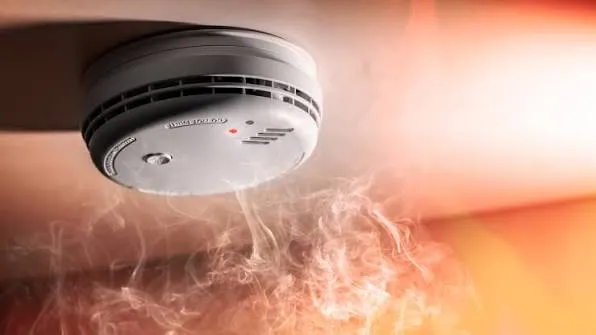

Fire safety does not always require expensive equipment or a major home renovation. In many cases, simple steps such as checking existing alarms, keeping escape routes clear, improving kitchen safety, and creating a family escape plan can make a meaningful difference. For Brisbane homeowners, Smoke Alarm Installation In Brisbane is also an important part of improving protection, especially as Queensland's smoke alarm requirements continue to apply to more homes. Queensland Fire and Emergency Services (QFES) states that smoke alarms must meet specific requirements, including being photoelectric, less than 10 years old, working when tested, and interconnected where required.
The best way to save money is not to ignore fire risks but to focus first on the measures that offer the most protection. Start by checking every smoke alarm in the house, replacing alarms that are too old or do not work, and making sure required alarms are in the right locations. QFES recommends testing smoke alarms monthly, while rental properties have specific legal testing and maintenance obligations. In Queensland, all homes are scheduled to be fully compliant with the newer smoke alarm requirements by 1 January 2027.
You can also reduce costs by preventing fires before they start. Never leave cooking unattended, keep flammable items away from heat sources, avoid overloading power outlets, maintain electrical equipment, and keep exits free from clutter. These actions cost little or nothing but can reduce common household fire risks. A basic escape plan is another low-cost safety measure: everyone in the home should know at least two ways out where possible and understand where to meet outside.
Start With the Smoke Alarms You Already Have
Before buying new safety equipment, inspect what is already installed in your home. Look at the age, condition, location, and type of each smoke alarm. Press the test button and make sure the alarm produces a clear warning sound. If an alarm does not operate when tested, QFES advises that it should be replaced immediately. Smoke alarms that are more than 10 years old should also be replaced.
This simple inspection can help you avoid spending money unnecessarily. You may find that some alarms are still suitable and only need regular testing and cleaning, while others need replacement.
Queensland's requirements are specific, so homeowners should not rely on general advice from online forums or assume that every property has the same obligations. Requirements can depend on factors such as whether the property is owner-occupied, rented, sold, newly built, or substantially renovated.
If you are unsure about what applies to your property, check current information from Queensland Fire and Emergency Services or speak with a qualified professional.
Choose Compliant Smoke Alarms
When replacement is necessary, choosing the cheapest alarm available may not be the best way to save money. A low-cost product that does not meet the required standard can create compliance problems and may need to be replaced again.
Queensland requirements specify photoelectric smoke alarms that comply with Australian Standard AS 3786-2014. Required alarms must also meet rules concerning age, operation, power supply, location, and interconnection.
For Brisbane homeowners researching Cm Elect Smoke Alarm Installation In Brisbane, the important question should therefore be more than simply, "How much does it cost?" Consider whether the proposed system meets the requirements for your particular property.
If hardwiring is involved, electrical work should be handled by an appropriately licensed electrician. Trying to save money by carrying out electrical work yourself can create safety risks and may also cause compliance problems.
Improve Fire Safety One Area at a Time
You do not necessarily have to upgrade everything in your home on the same day. If your budget is limited, make a simple priority list.
Start with life-safety measures. Check smoke alarms first. Then address obvious fire hazards such as damaged power cords, overloaded outlets, blocked exits, unsafe cooking practices, and flammable materials stored too close to heat sources.
After that, consider additional improvements such as suitable fire extinguishing equipment, fire blankets, emergency lighting, or other measures that make sense for your household.
A staged approach allows you to spread costs without ignoring the most important risks.
Make Your Kitchen Safer
The kitchen deserves special attention because cooking involves heat, oil, electricity, and combustible materials.
Keep tea towels, paper products, packaging, curtains, and other flammable materials away from cooktops. Do not leave cooking unattended, particularly when using oil or high heat.
If a small cooking fire occurs, do not take unnecessary risks. For a pan fire, turning off the heat if it is safe to do so and covering the pan with a suitable lid can help starve the fire of oxygen. Never throw water onto a hot oil fire, as this can cause the burning oil to spread rapidly.
A fire blanket can be a relatively inexpensive addition to a kitchen, but it should not replace safe cooking habits or a working smoke alarm.
Check Electrical Risks Around the Home
Electrical problems can become serious fire hazards. Walk through your home and look for damaged cords, loose plugs, signs of overheating, or power boards that are being heavily loaded.
Avoid connecting too many high-power appliances to one outlet or power board. Keep electrical equipment away from water and replace damaged cords rather than continuing to use them.
If an outlet, switch, appliance, or electrical cable appears damaged or behaves unusually, have it checked by a qualified electrician. Saving a small amount of money by continuing to use unsafe electrical equipment can create a much greater risk.
Keep Escape Routes Clear
One of the cheapest fire-safety improvements is also one of the easiest: remove obstacles from escape routes.
Make sure doors, hallways, stairways, and exits can be reached quickly. Do not store boxes, furniture, bicycles, or other belongings where they could slow people down during an emergency.
Remember that smoke can make it difficult to see and breathe. A home that feels easy to move around during the day can become much harder to escape when visibility is poor and people are under stress.
Families should also decide where they will meet outside after leaving the house. A simple meeting point, such as a safe location away from the building, can make it easier to know whether everyone has escaped.
Create and Practise a Fire Escape Plan
You do not need an expensive safety service to create a basic escape plan.
Walk through the house with everyone who lives there. Identify bedrooms, doors, windows, stairs, and possible exits. Think about what you would do if the normal route were blocked.
Children should understand what the smoke alarm sounds like and what they should do when they hear it. Older family members or anyone who may need assistance should also be included in the plan.
Practise the plan occasionally so that leaving the home becomes familiar rather than something people have to figure out during an emergency.
Clean and Maintain Your Smoke Alarms
Buying good alarms is only part of fire safety. They also need proper maintenance.
QFES recommends that smoke alarms be tested once a month. Its guidance also states that smoke alarms should be cleaned and tested regularly, while rental properties have additional legal requirements.
Dust and other particles can affect alarm performance, so follow the manufacturer's cleaning instructions. Never disable an alarm simply because it activates during cooking. If nuisance alarms are happening repeatedly, investigate whether the alarm is installed in an unsuitable location or whether professional advice is needed.
Smoke alarms should also not be treated as permanent products. QFES states that alarms should be replaced when they reach 10 years from their production date or when they fail to operate.
Understand When Professional Help Is Worth Paying For
Saving money does not mean doing every job yourself. Some tasks are better left to qualified professionals.
For example, installing or modifying hardwired smoke alarms involves electrical work and should be handled by a licensed electrician. Professional assistance can also be useful when a home has unusual ceiling designs, multiple storeys, complex layouts, or questions about alarm placement.
QFES guidance says smoke alarms should generally be placed on the ceiling where practicable and specifies distances from corners, light fittings, air-conditioning vents, and ceiling fans. Special requirements can apply to stairways, sloping ceilings, and exposed beams.
Getting the installation right the first time can be more economical than repeatedly replacing or relocating alarms.
Avoid Buying Fire Safety Products You Do Not Need
Fire safety can quickly become expensive when homeowners buy products without first identifying their actual risks.
Instead of purchasing every available device, assess your home. Consider its size, layout, cooking arrangements, electrical equipment, number of occupants, and any particular risks.
A small home may have different needs from a large multi-storey property. A household with young children may also need a different emergency plan from one occupied only by adults.
The goal is not to fill the house with equipment. The goal is to create reliable layers of protection.
Check Your Home Before Spending More
A practical fire-safety inspection can be completed without spending anything.
Check whether every required smoke alarm works. Look at the alarm's age. Check whether exits are clear. Inspect visible electrical cords. Review kitchen habits. Move flammable materials away from heat sources. Confirm that everyone knows what to do if an alarm sounds.
Only after completing this review should you decide what needs to be purchased or professionally installed.
For homeowners who need Smoke Alarm Installation In Brisbane, getting advice from a qualified local professional can help identify what needs to be replaced or upgraded instead of paying for unnecessary work.
Focus on Prevention, Detection and Escape
An affordable fire-safety strategy has three main parts: prevent fires where possible, detect them quickly, and escape safely.
Prevention includes safer cooking and electrical habits. Detection depends heavily on properly installed and maintained smoke alarms. Escape depends on clear exits, a simple plan, and regular practice.
No single product can eliminate the risk of a house fire. Even an excellent smoke alarm is only one part of a broader safety system.
This is why homeowners should focus on practical improvements rather than simply buying expensive equipment.
Final Thoughts
Improving fire safety does not have to put unnecessary pressure on your budget. Start with the basics: inspect your smoke alarms, replace alarms that are expired or faulty, remove common fire hazards, keep escape routes clear, and create a family escape plan.
For Brisbane homes, it is especially important to understand the Queensland requirements rather than relying on assumptions. Current QFES guidance says required alarms must meet specific standards and that all homes are to be fully compliant with the newer requirements by 1 January 2027.
If your home needs Smoke Alarm Installation In Brisbane, focus on compliance, correct placement, reliable equipment, and professional workmanship rather than choosing an installer based only on the lowest price. A properly planned upgrade can provide better protection while helping you avoid unnecessary future costs.
The most effective fire-safety improvements are often simple. A working alarm, a clear exit, a safer kitchen, a checked electrical system, and a practiced escape plan can all make a significant difference. Spending wisely means putting your money toward the measures that protect people first.


























Sign in to leave a comment.