

A roof is never just a cover over a house. It is the part of the home that meets wind, rain, heat, humidity, and changing weather first. In Chesapeake, where coastal conditions can bring strong storms and moisture, roofing choices should involve more than appearance or upfront price. Understanding local weather helps homeowners choose suitable materials and know when professional roofing services are needed.
1. Wind: Design for More Than an Average Day
Everyday breezes are rarely a roofing concern. Stronger winds are different. Gusts can lift or loosen shingles, stress flashing, damage vents, and expose weak areas around roof edges. Coastal Virginia also faces hurricane and tropical-storm hazards, making wind resistance an important consideration for homeowners.
When you’re comparing roofing options, look at the material’s wind rating, installation requirements, and fastening system. A roof performs as a complete system, so secure edges, reliable flashing, and professional installation matter alongside the roofing material itself.

2. Rainfall: Drainage Is Part of the Roof
Rain does not need to be extreme to create roofing problems. Repeated exposure can test shingles, flashing, valleys, pipe penetrations, and sealants. Water that is not directed away efficiently may collect around vulnerable areas and contribute to leaks or moisture damage.
That makes drainage a key part of roofing decisions. Gutters, downspouts, roof slopes, and flashing work together to move water away from the structure. Damaged or clogged gutters can keep water where it should not be, making timely gutter repair important when drainage issues appear.
3. Humidity and Moisture: Consider the Time Between Storms
Chesapeake homeowners should think about moisture especially after it has stopped raining. Humid conditions can keep roofing components and surrounding areas damp, particularly when airflow or drainage is inadequate.
Ventilation and attic moisture control therefore deserve attention alongside the roofing material. A well-planned roof should shed water outside while supporting healthy airflow through the attic. Routine inspections can reveal blocked ventilation, deteriorated flashing, or other moisture-related concerns before they become larger problems.
4. Temperature Changes: Materials Must Adapt
Roofs experience thermal movement as temperatures rise and fall. Summer heat can stress roofing components, while colder conditions can affect flexibility. Repeated expansion and contraction may contribute to aging around seams, flashing, and other vulnerable points.
This does not mean one material automatically suits every house. Homeowners should consider expected service life, maintenance needs, installation method, and compatibility with the home’s design. Appearance matters, but performance through temperature changes should carry equal weight.

5. Seasonal Weather Should Influence Maintenance
Roofing choices and maintenance decisions are closely connected. Before and after periods of severe weather, homeowners can check for missing or damaged shingles, loose flashing, blocked drainage, damaged vents, and signs of water intrusion.
Seasonal inspections can also catch minor issues while they are easier to address. A damaged flashing edge, for example, may become a significant leak after repeated storms. Prompt roof repair can help address weak points before they affect ceilings, insulation, walls, or other interior areas.
6. Installation Quality Matters as Much as Material
Choosing a suitable roofing material is only part of the equation. Installation quality can determine whether the roof performs as intended. Incorrect fastening, poorly installed flashing, inadequate ventilation, and overlooked roof-edge details can reduce durability regardless of the material selected.
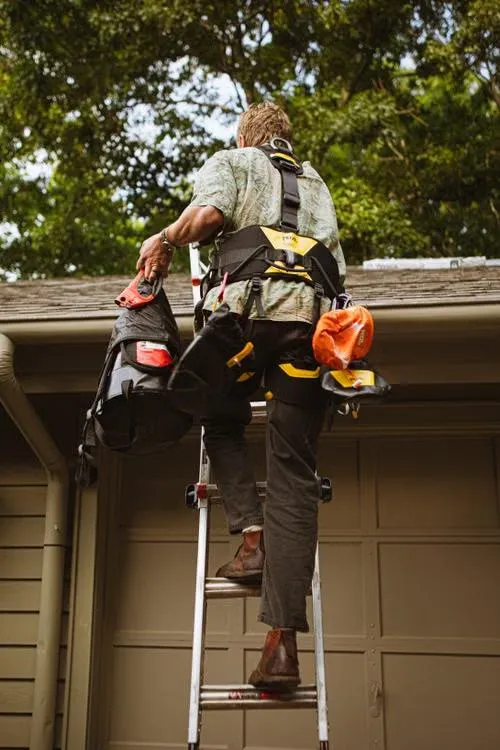
When hiring a roofing contractor, Chesapeake homeowners should consider experience with local weather conditions, attention to installation details, inspection practices, and the ability to identify related exterior concerns. The goal is a roof system in which materials, drainage, ventilation, and surrounding components work together.

7. Make Roofing Decisions With the Weather in Mind
There is no universal roofing choice for every home. Climate helps determine what matters most: wind resistance, water management, moisture control, durability through temperature changes, or maintenance planning. For Chesapeake homeowners, considering these factors can make roofing decisions more practical and better suited to local conditions.
The smartest approach is not simply choosing a material and hoping it lasts. It is treating the roof as a complete system, understanding how weather interacts with it and keeping up with inspections and timely maintenance. Thoughtful planning and dependable professional support can help homeowners protect their investment through changing seasons. Weather-aware roofing decisions protect homes well.
Make Smart Roofing Choices
Ready to evaluate your roof for Chesapeake weather? Guardian Roofing Services provides dependable roofing contractor support, from roof repair to roof leak repair and comprehensive roofing services in Chesapeake. Contact their team today to discuss your home’s needs and keep your roof prepared for changing seasons throughout every season.
Author Bio
The author is a trusted residential roofing expert serving homeowners with practical solutions tailored to local weather demands. They focus on careful inspections, quality workmanship, responsive service, and dependable roof maintenance and repair.


























Sign in to leave a comment.