How Composite Bonding Wilmslow Can Transform Minor Smile Imperfections

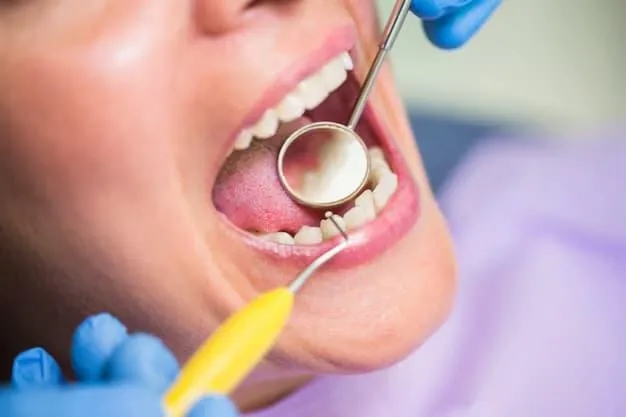
A smile can be affected by small imperfections such as chipped edges, uneven tooth shapes, minor gaps or slight discolouration. Although these concerns may not always affect oral function, they can influence how confident a person feels when smiling or speaking. Modern cosmetic dentistry offers conservative ways to improve these details without extensive treatment. For patients considering Composite Bonding wilmslow, understanding the benefits, process and limitations can help them decide whether this approach suits their individual needs. Composite bonding uses tooth coloured resin that can be shaped directly onto suitable teeth to improve their appearance.
Understanding Composite Bonding
A Conservative Cosmetic Treatment
Composite bonding involves applying a tooth coloured resin material to the surface of a tooth and carefully shaping it to address a specific cosmetic concern. The material can be colour matched to the surrounding teeth, helping create a natural looking result. Because bonding generally requires minimal preparation, it can preserve much of the natural tooth structure in suitable cases. This makes it an appealing choice for patients seeking subtle cosmetic changes. Professional assessment remains important because the treatment needs to be appropriate for the condition, position and function of the tooth.
Designed Around Individual Smile Needs
Every smile has different characteristics, so composite bonding should be planned around the individual patient. The dentist can assess the shape, colour, alignment and proportions of the teeth before deciding where bonding may be useful. The overall appearance of the smile can then be considered rather than focusing on a single tooth in isolation. This personalised approach can help ensure that any changes complement the surrounding teeth. Composite bonding may therefore be particularly useful when patients want small improvements that enhance their existing smile rather than completely changing its appearance.
Correcting Minor Chips and Damage
Restoring Chipped Tooth Edges
Small chips can make a tooth look uneven, especially when they affect visible front teeth. Composite resin can sometimes be applied to the damaged area and sculpted to recreate a more natural tooth shape. The dentist can carefully reproduce the contour of the original tooth before polishing the material. This can provide an immediate visual improvement in suitable cases. However, the size and location of the damage must be assessed first. Larger fractures or teeth with significant structural problems may require a more substantial restorative treatment to provide appropriate strength and protection.
Creating Smoother Tooth Contours
Uneven or irregular edges can affect the symmetry of a smile. Composite bonding can allow small changes to be made to the contours of suitable teeth. The resin is shaped carefully so that the treated tooth complements the surrounding teeth rather than appearing noticeably different. Attention to detail is important because even a small change in tooth length or shape can influence the overall appearance of the smile. Patients can discuss their preferred result during the consultation, allowing the dentist to determine how much alteration may be appropriate.
Closing Small Gaps Between Teeth
Improving Visible Spacing
Small spaces between teeth can sometimes become a noticeable feature of a smile. In suitable cases, composite bonding can be used to add tooth coloured material to selected surfaces, reducing the visible size of a gap. This approach may provide a simpler cosmetic solution when the spacing is minor and there are no underlying functional concerns. The dentist will assess why the gap exists before recommending treatment. Larger spaces or gaps associated with tooth movement may require orthodontic treatment instead, so professional assessment is essential before choosing bonding.
Maintaining Balanced Proportions
When closing a gap with composite resin, the dentist needs to consider the proportions of the teeth involved. Adding too much material can make teeth appear wider than intended, while adding too little may not provide the desired improvement. Careful planning allows the material to be shaped in a way that supports a balanced appearance. The dentist can consider the surrounding teeth, smile line and natural tooth contours. This attention to proportion helps ensure that the final result looks integrated rather than appearing as though additional material has simply been placed over the teeth.
Improving Tooth Shape and Size
Enhancing Uneven Teeth
Some patients may feel that certain teeth appear shorter, narrower or differently shaped from the surrounding teeth. Composite bonding can sometimes be used to make small adjustments to these proportions. The resin can be added selectively and shaped according to the desired appearance. This can help create greater consistency across the visible teeth without requiring extensive preparation. The dentist will also consider the patient’s bite to ensure that the added material does not interfere with normal function. The aim is to make an appropriate cosmetic improvement while retaining as much natural tooth structure as possible.
Creating Greater Smile Symmetry
Symmetry can contribute to the overall appearance of a smile. Minor differences in tooth shape or length may become more noticeable when a person smiles, particularly around the front teeth. Composite bonding provides a way to make subtle corrections where appropriate. The dentist can carefully shape the resin and compare the treated tooth with the surrounding teeth during the process. The result should complement the natural characteristics of the smile. Successful cosmetic bonding therefore depends on careful sculpting, appropriate shade selection and an understanding of how individual teeth work together visually.
Addressing Certain Discolouration Concerns
Matching the Composite Shade
Composite resin can be selected in a shade designed to complement the patient’s natural teeth. This can help disguise certain localised imperfections or areas where a tooth looks different from its neighbours. However, bonding is not the same as professional teeth whitening. Whitening changes the shade of suitable natural teeth, whereas bonding adds tooth coloured material to alter the appearance of a particular area. Patients considering both treatments should discuss the preferred order with their dentist because composite material does not whiten in the same way as natural tooth structure.
Considering the Overall Smile
A single discoloured tooth can sometimes stand out against an otherwise consistent smile. Composite bonding may provide a cosmetic option for suitable cases, although the cause of the discolouration should first be established. The dentist can assess whether the tooth is healthy and whether bonding is an appropriate way to improve its appearance. If the discolouration is caused by an underlying dental problem, that issue may need to be addressed before cosmetic treatment. This ensures that aesthetic improvements are considered alongside the long term health of the tooth.
The Composite Bonding Process
Consultation and Assessment
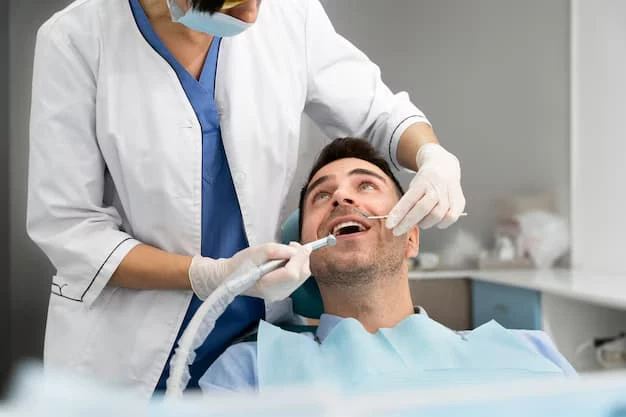
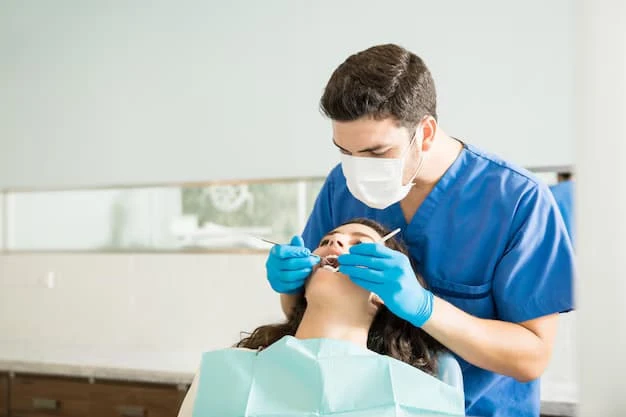
The treatment normally begins with a consultation during which the dentist examines the teeth and discusses the patient’s concerns. The condition of the teeth, gums and bite can all influence whether bonding is suitable. The dentist may also consider the patient’s expectations, previous dental treatment and desired appearance. This stage provides an opportunity to discuss the likely result, maintenance requirements and alternative treatments. A detailed assessment helps ensure that composite bonding is recommended for the right reasons and that the proposed changes are appropriate for the patient’s individual dental circumstances.
Applying and Shaping the Resin
Once bonding has been selected, the tooth is prepared appropriately so that the composite material can adhere effectively. The dentist selects a suitable shade before applying the resin to the required area. The material is then carefully moulded and sculpted to create the desired shape. A dental curing light is used to harden the composite, after which the dentist can refine and polish the surface. The process requires precision because the restoration needs to feel comfortable and look natural. The final appearance depends heavily on careful shaping and polishing.
Why Composite Bonding Can Be a Convenient Choice
Potentially Fewer Appointments
Composite bonding can often be completed relatively quickly, particularly when only a small number of teeth require treatment. Local dental providers in Wilmslow describe bonding as a treatment that can sometimes be completed in a single appointment, although the exact time depends on the individual case. This can make bonding appealing to patients who want a cosmetic improvement without a lengthy treatment process. However, the dentist should always prioritise careful assessment and precise treatment rather than rushing the procedure simply to reduce appointment time.
Minimal Tooth Preparation
Another potential advantage of composite bonding is that it can involve minimal alteration of the natural tooth in appropriate cases. Unlike some treatments that require more extensive preparation, bonding can often be applied directly to the tooth with limited removal of healthy structure. Local dental information describes composite bonding as a minimally invasive option for addressing minor cosmetic concerns. This conservative approach can appeal to patients who want to retain as much of their natural tooth structure as possible while making selected improvements to their smile.
Understanding the Limitations of Bonding
Not Suitable for Every Concern
Composite bonding is particularly useful for minor cosmetic imperfections, but it is not an appropriate solution for every dental problem. Significant damage, extensive decay, severe tooth misalignment or substantial bite concerns may require other forms of treatment. The dentist will assess the condition of the tooth before recommending bonding. Choosing the correct treatment is important because a cosmetic procedure should not be used when a different restorative or orthodontic approach would provide better long term support. Patients should therefore discuss all relevant concerns openly during their consultation.
Durability Depends on Care
Although composite bonding can provide lasting cosmetic improvement, the material can chip or become stained over time. Local dental guidance recommends maintaining good oral hygiene and avoiding habits that could damage the bonded material, such as biting hard objects or using the teeth as tools. Patients should understand that bonding is not indestructible and may eventually require repair or replacement. Regular dental examinations can help monitor the restoration and identify signs of wear before they become more noticeable or troublesome.
Caring for Composite Bonding
Maintaining Good Oral Hygiene
Bonded teeth should receive the same consistent care as the rest of the mouth. Regular brushing with fluoride toothpaste and cleaning between the teeth can help protect the natural tooth structure and surrounding gums. Although composite resin itself does not develop decay, the natural tooth beneath and around the restoration remains susceptible to dental disease. Patients should therefore continue with appropriate preventive care after treatment. Professional hygiene appointments may also be recommended according to individual needs. Good oral hygiene can help preserve both the health of the mouth and the appearance of the bonded teeth.
Avoiding Damaging Habits
Certain habits can place unnecessary pressure on composite bonding and increase the risk of chipping. Patients may be advised to avoid biting fingernails, pens, packaging or other hard objects with treated teeth. Very hard foods can also place additional stress on front tooth bonding. If a bonded tooth becomes rough, chipped or uncomfortable, the patient should contact a dental professional for assessment rather than attempting to repair it independently. Sensible habits can help extend the useful life of the restoration and maintain the appearance achieved through treatment.
Composite Bonding Compared With Other Options
Bonding and Veneers
Composite bonding and veneers can both improve the appearance of teeth, but they offer different approaches. Bonding involves applying resin directly to the tooth, while veneers use thin coverings placed over the visible tooth surface. Bonding can be more conservative for suitable minor imperfections, while veneers may be considered when broader changes are required. The right choice depends on factors such as the condition of the teeth, desired result, treatment goals and maintenance expectations. A dentist can explain the advantages and limitations of each option during an individual consultation.
Bonding and Orthodontic Treatment
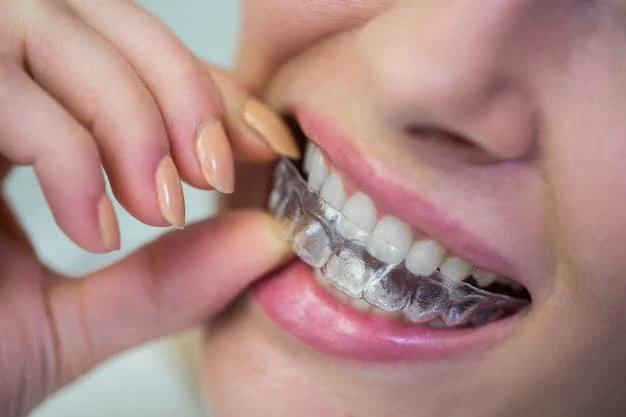
Composite bonding can improve the appearance of minor gaps and irregularities, but it does not move teeth into new positions. Orthodontic treatment may therefore be more appropriate when the underlying concern involves significant crowding, spacing or bite problems. Clear aligners and other orthodontic options can gradually reposition teeth, whereas bonding changes their visible shape. In some cases, the treatments may complement each other. The dentist can assess the patient’s smile and recommend whether alignment should be addressed before cosmetic bonding to achieve a more balanced and functional result.
Choosing Composite Bonding in Wilmslow
Selecting Appropriate Dental Care
Patients considering bonding in Wilmslow can compare dental practices based on experience, treatment planning, communication and the range of cosmetic services available. A suitable dental professional should take time to understand the patient’s concerns and explain whether bonding is appropriate. Patients can ask about the expected result, treatment process, maintenance requirements and alternative options. Local practices offer composite bonding as part of their cosmetic treatment services, demonstrating that patients in the area have several options to explore.
Focusing on Long Term Results
The best cosmetic treatment is not simply the one that produces the quickest visual change. Patients should consider how the proposed treatment will affect their smile, oral health and future maintenance requirements. Composite bonding can provide attractive improvements when used for suitable concerns and maintained correctly. A detailed consultation allows the dentist to consider the patient’s individual circumstances and explain realistic outcomes. By focusing on appropriate treatment planning rather than appearance alone, patients can make more informed decisions and choose an approach that supports both confidence and long term dental wellbeing.
Final Thoughts
Composite bonding can transform minor smile imperfections by reshaping chipped edges, reducing small gaps, improving uneven tooth proportions and addressing selected cosmetic concerns. Its conservative nature and potentially straightforward treatment process make it an appealing option for suitable patients who want noticeable improvements without extensive dental procedures. However, professional assessment, realistic expectations and proper maintenance remain essential. Patients considering cosmetic treatment in Wilmslow can discuss their goals with a qualified dental professional to determine whether bonding is appropriate. For those exploring personalised cosmetic dental care, Trinity House Dental Care can be considered as part of their treatment journey.






Sign in to leave a comment.