

For a beauty brand, the product is only one part of the customer experience.
Before a customer tries a cream, serum, lipstick, or skincare product, they usually see its packaging first. The box, colors, typography, finish, and overall presentation can influence how the product is perceived before it is even opened.
That makes cosmetic packaging an important part of both product presentation and brand communication.
Why Packaging Matters in the Beauty Industry
Cosmetic products compete in a visually driven market.
Customers may compare several similar products before deciding what to purchase. Packaging gives a brand an opportunity to communicate what makes its product different.
A minimalist package may suggest simplicity and modern design. A detailed package may feel expressive and creative, while premium materials and finishes can support a more luxurious positioning.
The important thing is consistency.
Packaging should reflect the same identity customers see across the brand's website, social media, advertising, and product photography.
Cosmetic Packaging Is More Than a Box
A cosmetic box needs to protect the product, but its role doesn't stop there.
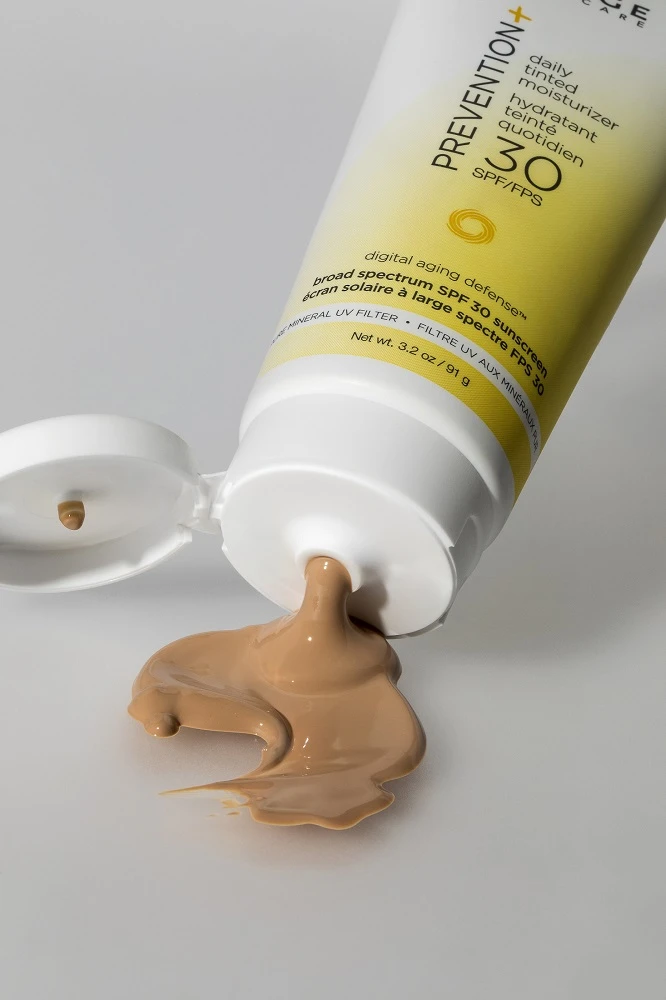
The package may also carry product information, usage instructions, ingredients, branding, and other details customers need before using the product.
A well-planned package balances these practical requirements with visual presentation.
For beauty businesses looking for a more tailored solution, cosmetic packaging can be designed around the product's size, presentation requirements, and overall brand identity.
Choosing the Right Size
Cosmetic products come in many shapes and sizes.
A small serum bottle requires a different box structure from a larger skincare jar or a collection of multiple beauty products.
The packaging should provide enough space for protection without creating unnecessary empty space.
A properly fitted box can also make the product feel more organized when the customer opens it.
Before choosing dimensions, businesses should consider:
- Product size and shape
- Bottle or container material
- Fragility of the product
- Internal inserts
- Shipping requirements
- Number of products included in the package
Materials Can Change the Look and Feel
Material selection can have a significant effect on the final presentation.
Different paperboards, finishes, textures, and printing techniques can create very different results.
For example, a smooth printed surface can provide a clean modern appearance, while textured materials may create a more tactile experience.
The right choice depends on the brand and the product.
There is no single material that is automatically right for every cosmetic company. The packaging needs to balance appearance, protection, production requirements, and budget.
Color and Typography Matter
Color is one of the first visual elements customers notice.
Beauty brands often use color to create a recognizable identity across their product range. A consistent palette can make products easier to identify on a shelf or in product photographs.
Typography also matters.
Text should be attractive while remaining easy to read. Product names, variants, instructions, and other important information should have a clear hierarchy so customers can quickly understand what they are looking at.
Good design is not simply about adding more elements. It is about knowing which elements deserve attention.
Creating a Better Unboxing Experience
For many beauty brands, packaging is part of the product experience itself.
When a customer opens a cosmetic box, they may notice the exterior printing first, followed by the way the product is positioned inside.
A clean and organized presentation can make the experience feel more intentional.
Useful details may include:
- Secure product placement
- Protective inserts
- Easy-open construction
- Clear product information
- Consistent branding
- A neat interior presentation
The objective isn't to make the unboxing process complicated. It should feel natural and easy.
Packaging Should Protect the Product
Beauty packaging also has an important functional responsibility.
Cosmetic containers can be made from glass, plastic, metal, or other materials, and some products may require additional protection during transportation.
A box should therefore be selected according to the actual product rather than purely for appearance.
Fragile bottles may need stronger support or inserts. Multiple products may require internal compartments to prevent movement.
Good cosmetic packaging brings presentation and protection together.
Keep Branding Consistent Across the Product Line
A beauty brand may eventually have multiple products, sizes, and variations.
Without a consistent visual system, the product line can start to look disconnected.
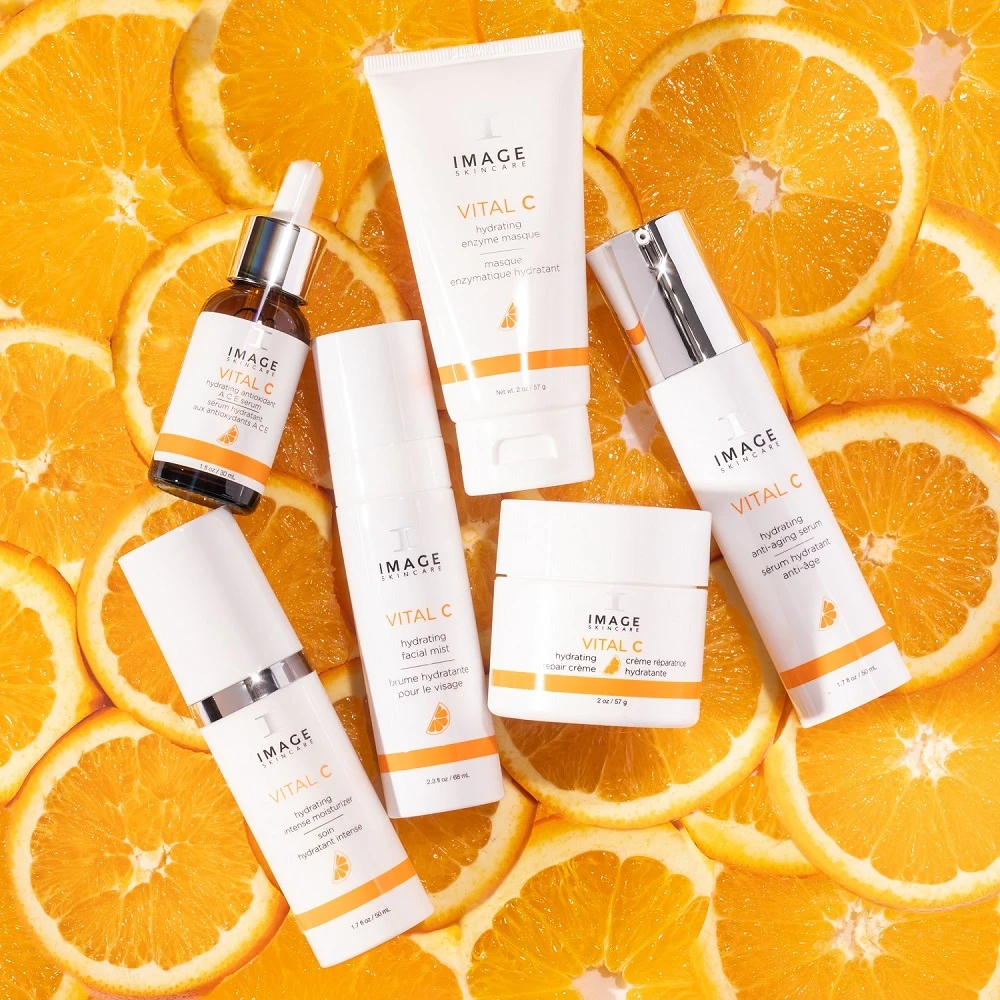
Using recurring design elements can help create a recognizable family of products.
These might include:
- Logo placement
- Brand colors
- Typography
- Illustration style
- Photography direction
- Finishes and textures
The individual products can still have their own identities while remaining connected to the wider brand.
Think About the Customer Before the Design
The best packaging decisions start with the customer.
A premium skincare brand may have a different audience from a playful cosmetics brand aimed at younger shoppers. Their packaging shouldn't necessarily look the same.
Ask a few simple questions before finalizing the design:
Who is buying the product?
Where will they discover it?
What should they understand immediately?
What should the packaging communicate?
How will they use and open the package?
These questions can help keep the design focused instead of adding features simply because they are available.
Start With the Essentials
A cosmetic brand doesn't need an extremely complicated package to create a strong presentation.
Start with the essentials: product protection, suitable dimensions, clear information, consistent branding, and a practical opening experience.
Once those fundamentals are working, additional design elements can be considered.
This approach can also make it easier for a growing business to maintain consistency as product quantities increase.
Final Thoughts
Cosmetic packaging sits at the intersection of protection, presentation, and branding.
A well-designed package can help a beauty product arrive safely while also giving customers a clear visual connection to the brand.
The strongest approach is usually not about making the package as elaborate as possible. It is about selecting the right structure, materials, dimensions, and visual elements for the product and its audience.
When those choices work together, the packaging becomes a natural part of the beauty brand experience rather than simply a container around the product.
Frequently Asked Questions
Why is packaging important in the beauty industry?
Packaging plays a crucial role in the beauty industry because it influences how customers perceive a product before they even try it. A well-designed package can communicate brand identity, attract attention, and differentiate a product from competitors in a visually driven market.
What factors should be considered when designing cosmetic packaging?
When designing cosmetic packaging, key factors include the product's size and shape, material choice, fragility, and shipping requirements. Additionally, the packaging should align with the brand's identity and provide a good unboxing experience for customers.
How does color and typography affect cosmetic packaging?
Color and typography are vital elements in cosmetic packaging as they create a recognizable brand identity and enhance product visibility. A consistent color palette and clear typography help customers easily identify products and understand important information at a glance.
What is the role of packaging in the unboxing experience?
The packaging plays a significant role in the unboxing experience by contributing to the overall presentation and customer satisfaction. A clean, organized, and visually appealing package can make the unboxing feel intentional and enjoyable, enhancing the overall perception of the product.
How can brands maintain consistency across multiple products?
Brands can maintain consistency across multiple products by using recurring design elements such as logo placement, brand colors, typography, and illustration styles. This helps create a cohesive visual system that connects various products while still allowing for individual identities.
What practical considerations should be made for cosmetic packaging?
Practical considerations for cosmetic packaging include ensuring product protection, selecting appropriate dimensions, providing clear information, and facilitating easy opening. These essentials are fundamental for creating a functional package that meets both the brand's and customers' needs.
How can brands create a packaging design that appeals to their target audience?
To create appealing packaging, brands should start by understanding their target audience's preferences and behaviors. Asking questions about who will buy the product, where they'll find it, and what they need to know can guide the design process to ensure it resonates with potential customers.





















Sign in to leave a comment.