
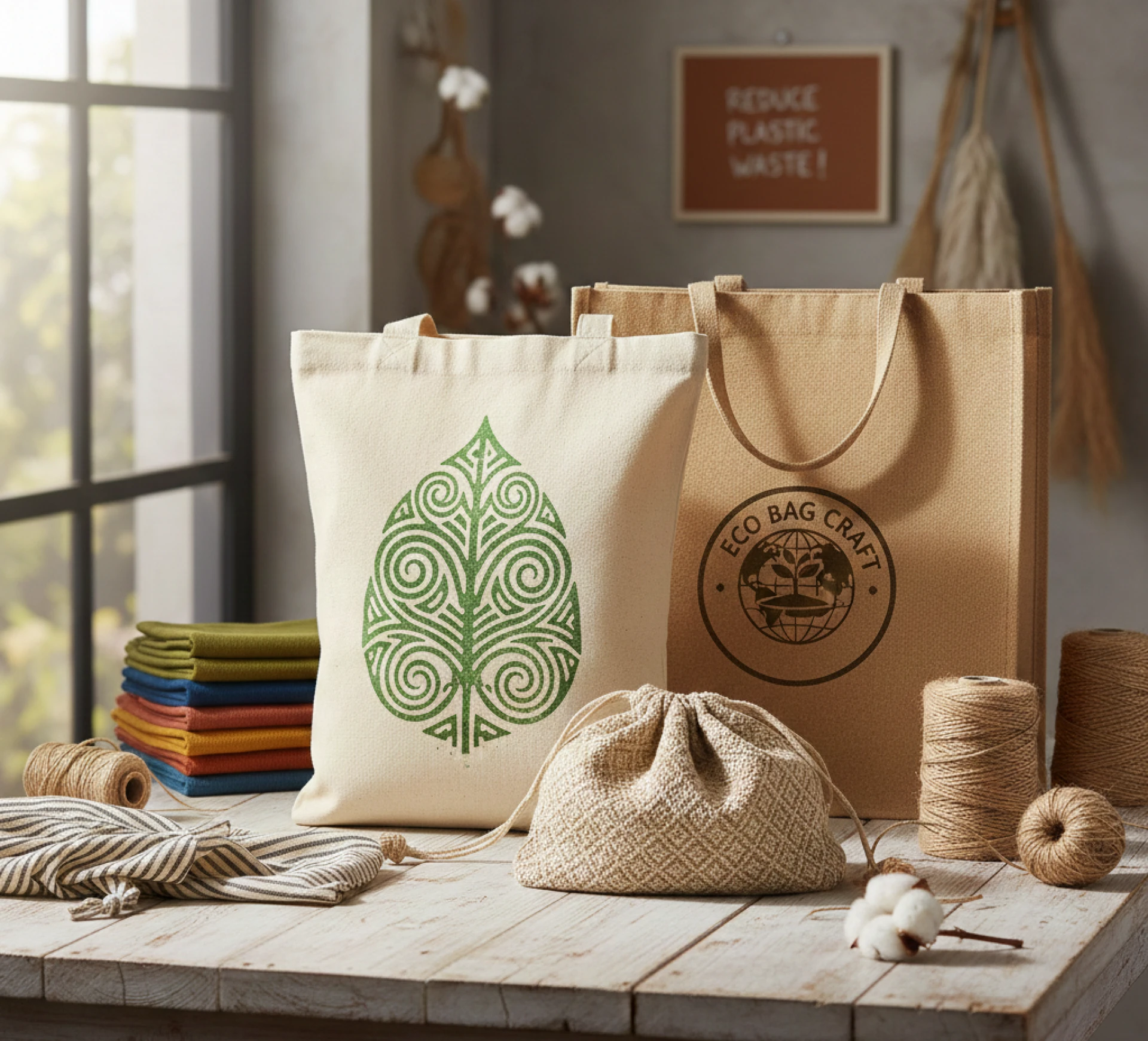
A shopping bag does more than carry a customer's purchase. When it features a brand logo, colour palette, tagline, or creative design, it can become a simple but effective way to keep that brand visible beyond the point of sale.
Custom printed bags are especially useful for retailers, fashion brands, restaurants, corporate gifting companies, events, and promotional campaigns. They combine everyday functionality with branding, giving businesses an opportunity to put their identity directly into customers' hands.
But simply printing a logo on a bag is not enough. The material, design, printing method, size, and overall presentation all influence how effectively the bag represents a brand.
Here are some ways custom printed bags can strengthen brand visibility.
1. They Turn Everyday Packaging Into Branding
Traditional packaging usually has a short lifespan. A customer opens the package, removes the product, and throws the packaging away.
A reusable shopping bag can have a much longer life.
When customers reuse a branded bag for shopping, commuting, gifting, or carrying everyday items, the logo and design can be seen in different places. This gives businesses another opportunity to remain visible after the original purchase.
The key is to create a bag that customers actually want to reuse. Practicality, durability, attractive design, and comfortable handles all contribute to that.
2. Your Logo Travels With the Customer
One of the biggest advantages of a branded shopping bag is its mobility.
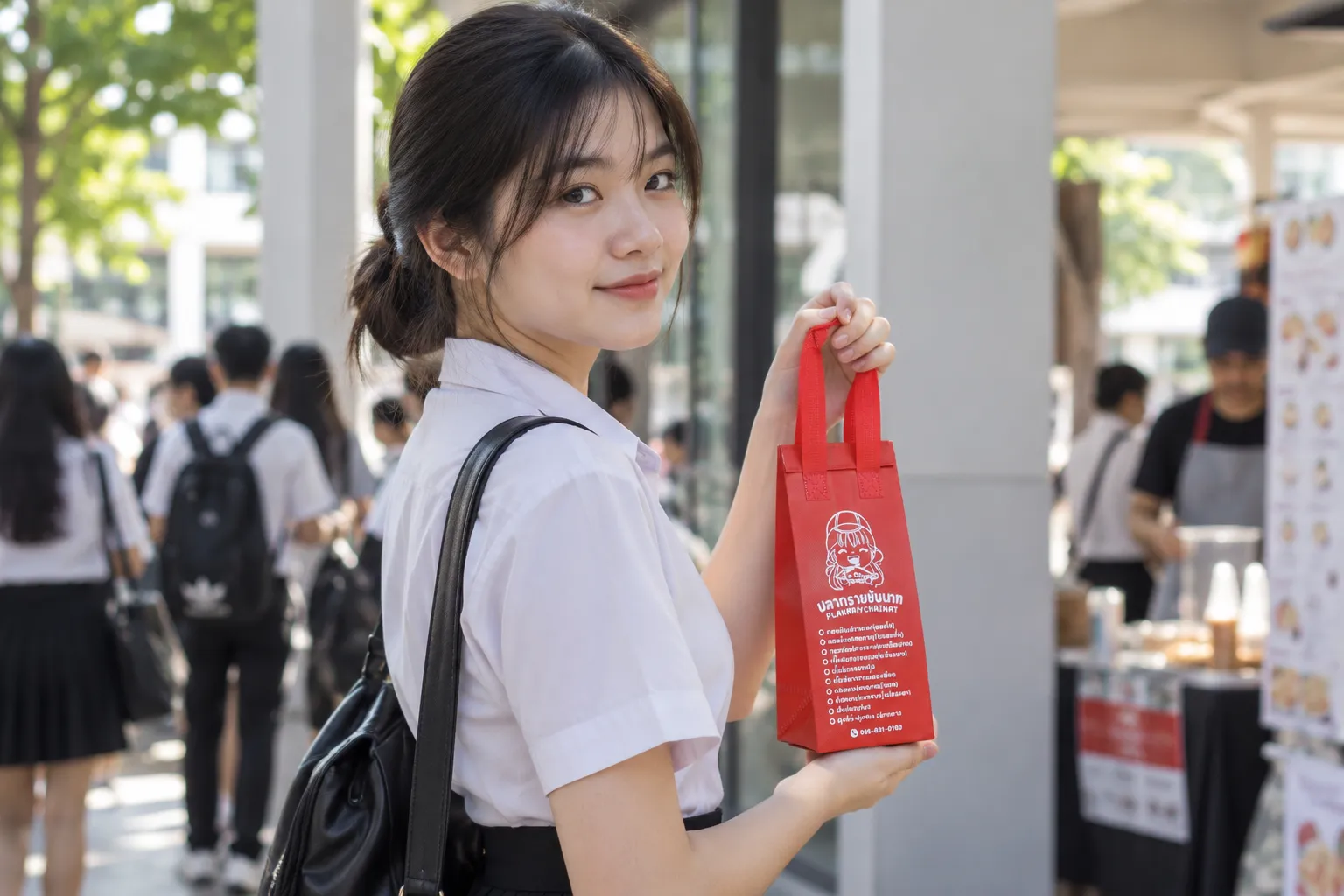
A customer carrying a printed bag outside your store effectively takes your brand identity with them. The bag may be seen at a shopping centre, office, café, event, or on public transport.
This does not mean every person who sees the bag will become a customer. However, the physical presence of the brand can help create repeated exposure in everyday environments.
For businesses with strong visual identities, this makes the bag an extension of their existing branding.
3. Custom Designs Make the Brand More Recognisable
Brand visibility is not only about showing a logo. Consistent visual elements can make a business easier to recognise.
Consider using:
- Brand colours
- Logo
- Tagline
- Distinctive typography
- Simple illustrations
- Brand patterns
- Relevant messaging
The design should be easy to understand at a glance. Overloading a bag with too many elements can make the branding difficult to notice.
For example, a fashion brand may choose a minimal logo and premium-looking typography, while a food business may use bold colours and an easily recognisable graphic.
The design should reflect the personality of the business rather than simply filling the available print area.
4. The Right Material Supports the Brand Image
The material of a custom printed bag also communicates something about the brand.
Cotton can provide a soft, clean appearance that works well for fashion, lifestyle, retail, and promotional applications. Jute has a more natural and textured look and can work particularly well for businesses that want a rustic or eco-conscious presentation.
Juco combines jute and cotton and can offer a balance between structure and a smoother surface.
Businesses should therefore choose the material based on both functionality and the image they want the bag to communicate.
For brands considering cotton for bulk branding, wholesale cotton tote bags can be useful for understanding how bulk purchasing can support consistent branding and customization.
5. Printing Quality Affects Brand Perception
A poorly printed logo can make even a well-designed bag look unprofessional.
Uneven printing, incorrect colours, blurry artwork, or poor placement can affect how customers perceive the finished product.
Before approving production, businesses should check:
- Logo clarity
- Colour accuracy
- Print position
- Print size
- Artwork quality
- Alignment
- Visibility against the bag material
The printing method should also be selected according to the artwork. Simple logos may work well with screen printing, while detailed or multi-colour artwork may require a different approach.
The goal is not necessarily to use the most expensive printing technique. It is to choose a method that reproduces the design clearly and consistently.
6. Use the Entire Bag as a Branding Surface
Businesses often focus only on the front of the bag. But depending on the design and budget, other areas can also contribute to brand visibility.
You can consider:
- Front-side logo
- Back-side message
- Side-panel branding
- Handle colours
- Interior printing
- Branded labels
- Custom tags
That does not mean every part needs to contain branding.
In many cases, a simple design can look more premium and remain easier to recognise. The amount of branding should depend on the brand's personality and the purpose of the bag.
7. Custom Bags Work Well for Events and Promotions
Custom printed bags are particularly useful for events because they combine packaging with promotional merchandise.
Businesses can use them for:
- Trade shows
- Product launches
- Conferences
- Corporate events
- Retail promotions
- College events
- Gifting programmes
- Brand activations
At an event, attendees may receive several promotional items. A useful bag gives them something to carry those items in while keeping the event or company branding visible.
For corporate events, businesses can also explore custom logo jute bags for corporate events when they want a reusable bag that combines branding with a natural material.
8. Consistency Matters When Ordering in Bulk
If your business is running a large campaign, consistency becomes important.
Imagine distributing branded bags at multiple stores and finding that the logo size, colour, fabric shade, or handle design varies between batches. Even small differences can make the overall branding appear inconsistent.
Bulk production should therefore be supported by clear specifications and an approved sample.
Before production, confirm:
- Exact bag dimensions
- Material and GSM
- Logo size
- Print colours
- Print placement
- Handle specifications
- Finishing requirements
- Packaging instructions
This helps maintain a consistent visual identity across the entire order.
9. Choose Designs That Customers Will Actually Reuse
A branded bag only creates continued visibility if people keep using it.
This is where design becomes particularly important.
A bag that looks attractive and feels practical has a better chance of becoming part of someone's everyday routine. Instead of treating the bag purely as an advertising surface, businesses should think about what would make customers want to carry it.
A clean design, useful size, comfortable handles, and durable construction can all contribute to repeat use.
For custom juco bags, for example, design choices can range from minimal logos and simple typography to more expressive artwork and patterns. Sara International's guide on choosing a design for a custom juco tote bag explores how minimalist and maximalist approaches can be adapted to different brand personalities.
10. Match the Bag to Your Target Audience
Not every customer responds to the same visual style.
A luxury fashion brand may prefer understated branding, premium finishes, and neutral colours. A children's brand may use brighter colours and playful illustrations. A corporate company may prefer a professional layout with a simple logo and tagline.
Before finalising the design, consider:
Who will use the bag?
Where are they likely to use it?
What should the design communicate about your brand?
These questions can help you create packaging that feels relevant rather than generic.
11. Make the Branding Easy to Remember
A complicated design is not automatically a stronger design.
Customers should be able to identify the brand quickly. A recognisable logo, consistent colours, and a simple visual hierarchy can often do more than a crowded layout.
Keep the most important element prominent. If the logo is the primary branding element, make sure it has enough space around it. If the campaign has a specific message, make that message readable from a reasonable distance.
Good bag design should balance creativity with clarity.
12. Think Beyond One Campaign
Custom printed bags can be designed for a specific promotion, but businesses can also create designs that remain relevant for longer.
For example, instead of printing a date-specific event message, a retailer might create a reusable branded design that can be distributed throughout the year.
This can make the bags more versatile and reduce the need to produce completely different packaging for every campaign.
For businesses ordering in larger quantities, a long-term design can also make inventory planning easier.
What Should Businesses Check Before Ordering Custom Printed Bags?
Before placing an order, review these important details:
- Purpose: Retail, gifting, events, promotion, or packaging
- Material: Jute, cotton, juco, or another suitable option
- Size: Based on the products or items the bag will carry
- GSM: Selected according to strength and intended use
- Artwork: High-quality and production-ready
- Printing: Suitable for the design and material
- Brand colours: Clearly specified
- Handles: Comfortable and strong enough for the intended load
- Sample: Approved before bulk production
- Quantity: Aligned with expected usage
- Quality: Consistent across the complete order
Final Thoughts
Custom printed bags can give businesses another physical touchpoint with their customers. A well-designed bag can carry a logo, reinforce brand colours, support a campaign, and remain useful after the original purchase.
The strongest results come from treating the bag as more than promotional merchandise. Material, design, print quality, functionality, and consistency all contribute to how customers experience the brand.
Whether you are preparing bags for a retail store, corporate event, promotional campaign, gifting programme, or product launch, the right combination of design and practicality can turn ordinary packaging into a recognisable part of your brand identity.























Sign in to leave a comment.