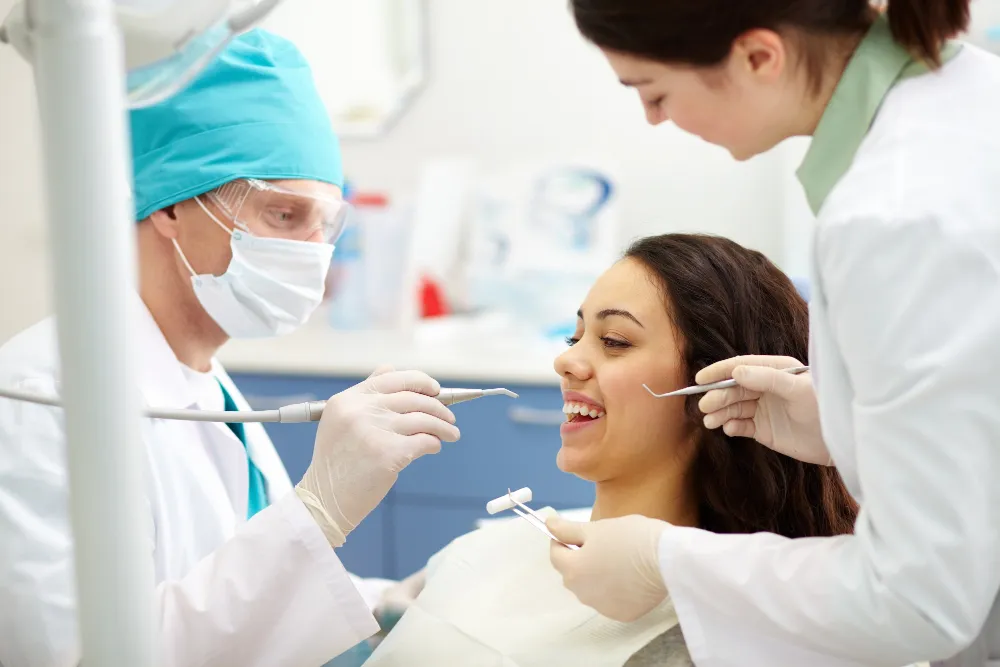

Maintaining healthy teeth and gums requires consistent daily care alongside professional attention. Brushing and cleaning between the teeth can remove much of the plaque that builds up naturally, although certain areas can remain difficult to clean thoroughly. For individuals looking to strengthen their approach to oral care, professional Dental Hygiene treatments can provide additional support by addressing accumulated plaque and tartar while helping maintain cleaner teeth and healthier gums. Regular professional care can also provide useful guidance about everyday cleaning habits, helping individuals understand the steps that can support better oral health over time.
Understanding The Role Of Dental Hygiene
Removing Plaque And Tartar
Plaque is a sticky layer of bacteria that develops naturally on the teeth. Without effective removal, it can contribute to tooth decay and gum problems. Regular brushing helps control plaque, but hardened deposits known as tartar cannot normally be removed effectively through ordinary brushing alone. Professional dental hygiene treatment can remove these deposits using appropriate instruments and techniques. This can leave the teeth feeling cleaner while helping reduce areas where harmful bacteria can accumulate. Professional cleaning therefore complements daily oral care and supports a more thorough approach to maintaining a healthy mouth.
Supporting Cleaner Teeth
Professional cleaning can help remove deposits from areas that are difficult to reach during everyday brushing. This may include spaces around the gumline and between teeth where plaque can accumulate. A thorough cleaning can improve the overall cleanliness of the mouth and may leave the teeth feeling smoother. Although professional treatment does not replace daily brushing, it can support the effectiveness of a regular home care routine. Individuals can then continue protecting their teeth by brushing consistently and using suitable methods to clean between the teeth each day.
Protecting Gum Health
Reducing Plaque Around The Gumline
The gumline is an important area for effective oral hygiene because plaque can collect where the teeth and gums meet. If plaque remains in this area, it can irritate the gums and contribute to inflammation. Professional hygiene appointments provide an opportunity to remove accumulated deposits and assess the condition of the gums. Dental professionals can also demonstrate suitable cleaning techniques for maintaining the gumline at home. Better plaque control can help support healthier gums and may reduce the likelihood of problems developing when combined with consistent daily oral hygiene.
Recognising Early Gum Problems
Gum problems can sometimes develop gradually, with early signs that may be easy to overlook. Redness, swelling, tenderness and bleeding during brushing can indicate that the gums require attention. Professional dental hygiene appointments allow the gums to be assessed and provide an opportunity to discuss any noticeable changes. When concerns are identified early, appropriate advice can be provided to help improve daily cleaning and determine whether further dental assessment may be needed. Greater awareness of gum health can encourage individuals to respond to symptoms rather than allowing them to continue unnoticed.
Supporting Better Oral Hygiene Habits
Improving Brushing Techniques
Effective brushing is one of the most important parts of maintaining healthy teeth and gums. However, simply brushing regularly does not always mean every area is being cleaned properly. Dental hygiene professionals can provide guidance about brushing technique, pressure, timing and areas that may require greater attention. Personalised advice can help individuals make their existing routine more effective. This guidance is particularly useful when plaque consistently builds up in certain areas. By improving technique and remaining consistent, individuals can support better plaque control between professional hygiene appointments.
Cleaning Between The Teeth
A toothbrush cannot effectively reach every surface between the teeth, which is why interdental cleaning forms an important part of oral hygiene. Dental professionals may recommend floss, interdental brushes or another suitable method depending on the individual's needs. Regular cleaning between teeth can help remove plaque from areas that are otherwise difficult to access. Professional guidance can make this process easier by showing individuals how to use the selected method correctly. Developing a consistent interdental cleaning routine can complement brushing and contribute to healthier gums and cleaner teeth.
Helping Prevent Tooth Decay
Controlling Plaque Build Up
Plaque contains bacteria that can produce acids capable of damaging tooth enamel. If plaque remains on the teeth for extended periods, the risk of tooth decay can increase. Professional hygiene treatment can help remove plaque and hardened deposits that may contribute to this environment. However, regular home care remains essential because plaque continually develops after professional cleaning. A combination of professional hygiene appointments and consistent daily brushing can provide stronger support for maintaining clean tooth surfaces and reducing factors that contribute to dental decay.
Supporting Fluoride Use
Fluoride plays an important role in protecting teeth against decay by helping strengthen enamel. Regular brushing with fluoride toothpaste is therefore an important part of everyday dental care. During hygiene appointments, dental professionals can discuss suitable oral hygiene products and explain how they should be used effectively. Personalised advice may be particularly valuable for individuals who experience recurring decay or have specific oral health concerns. Combining fluoride use with effective plaque removal and sensible dietary habits can help create a comprehensive routine designed to support stronger teeth.
Maintaining Fresh Breath
Managing Bacteria In The Mouth
Persistent bad breath can sometimes be associated with the accumulation of bacteria, plaque or food particles in the mouth. Professional cleaning can help remove deposits from the teeth and gumline, which may contribute to a cleaner feeling and fresher breath. However, ongoing breath concerns can have several possible causes and may require professional assessment. Regular oral hygiene appointments provide an opportunity to discuss persistent symptoms and identify whether further examination may be appropriate. Daily brushing, cleaning between teeth and cleaning the tongue can also support better mouth cleanliness.
Improving Overall Mouth Cleanliness
A cleaner mouth can contribute to greater comfort and confidence throughout everyday activities. Professional hygiene treatment can remove deposits that may not be fully addressed through routine home cleaning. Individuals can then maintain the results through regular brushing and interdental cleaning. This combination supports a consistent approach rather than relying solely on occasional professional treatment. Good oral hygiene can also make individuals more aware of changes within their mouth. Increased awareness may encourage earlier attention when unusual symptoms such as persistent soreness, bleeding or sensitivity appear.
Supporting Long Term Oral Health
Regular Professional Monitoring
Professional hygiene appointments can provide more than a cleaning service because they also create opportunities for ongoing monitoring. Dental professionals can observe the condition of the teeth and gums and identify areas that may need additional attention. Changes can be discussed with the individual, allowing appropriate recommendations to be made. Regular monitoring can be especially useful for people who have experienced previous gum problems or plaque accumulation. Continued professional care helps maintain awareness of oral health and can complement routine dental examinations when both are recommended.
Personalised Recommendations
Every individual has different oral health needs, meaning a standard approach may not always be suitable for everyone. Some people may struggle with cleaning between crowded teeth, while others may experience frequent plaque accumulation around the gumline. Dental hygiene professionals can consider these individual factors when providing advice. Recommendations may involve different cleaning methods, products or changes to daily routines. Personalised guidance can make oral hygiene more practical and effective. It can also help individuals understand which areas require greater attention and why certain habits may be particularly beneficial.
The Importance Of Consistent Care
Professional Treatment And Home Care
Professional hygiene treatment should be viewed as part of a wider oral health routine rather than a replacement for daily cleaning. Teeth and gums require regular attention between appointments because plaque continually forms within the mouth. Brushing twice each day with fluoride toothpaste and cleaning between the teeth can help maintain the benefits of professional treatment. A consistent home routine can also reduce the accumulation of plaque before the next appointment. Combining professional support with effective daily care creates a more comprehensive approach to maintaining healthy teeth and gums.
Healthy Dietary Choices
Diet can influence the condition of teeth and gums, particularly when sugary foods and drinks are consumed frequently. Bacteria in plaque can use sugars to produce acids that contribute to enamel damage and tooth decay. Reducing the frequency of sugary snacks and drinks can therefore support better dental health. Dental professionals can provide guidance based on an individual's dietary habits and oral health needs. A balanced diet combined with effective cleaning and regular professional care can help create conditions that support healthier teeth and reduce preventable dental concerns.
Who Can Benefit From Dental Hygiene Treatments
Individuals With Plaque Build Up
People who regularly notice plaque or tartar accumulation may benefit from professional hygiene treatment. Certain areas of the mouth can be difficult to clean effectively, particularly around crowded teeth, bridges or other dental features. Professional cleaning can address deposits that remain despite everyday brushing. Dental hygiene professionals can then provide practical advice to help reduce future accumulation. Individuals who are unsure whether their cleaning routine is effective can also receive personalised guidance. This makes professional hygiene treatment useful for improving both current cleanliness and future oral care habits.
People With Gum Concerns
Individuals who experience bleeding, swollen or sensitive gums may require professional advice. These symptoms should not simply be ignored because they can sometimes indicate gum disease or other oral health concerns. A dental hygiene appointment can provide an opportunity to assess plaque levels and gum condition while discussing suitable cleaning methods. Further dental assessment may be recommended when necessary. Early attention can help individuals understand the possible cause of their symptoms and take appropriate steps towards better gum health.
Building Better Dental Awareness
Understanding Individual Oral Health
Professional hygiene appointments can help individuals develop a clearer understanding of their own oral health. Instead of receiving general advice alone, they can learn which areas require particular attention and which cleaning methods may work best for their circumstances. This personalised understanding can make daily oral care more purposeful. Individuals may also become more aware of early changes within their mouth and recognise when professional advice could be useful. Greater awareness can support better decisions and encourage more consistent oral hygiene habits over time.
Encouraging Preventive Care
Preventive care aims to reduce the likelihood of significant dental problems by addressing risk factors before they become more serious. Professional hygiene treatment contributes to this approach by helping control plaque and tartar while reinforcing effective daily habits. Regular dental examinations can complement hygiene appointments by assessing the broader condition of the mouth. Together, these forms of care can encourage individuals to take action before problems become more advanced. Preventive thinking can therefore support long term oral health while reducing the likelihood of avoidable complications.
Final Thoughts
Healthy teeth and gums depend on consistent care, effective daily hygiene and appropriate professional support. Dental hygiene treatments can help remove accumulated plaque and tartar, support gum health and provide personalised guidance about brushing and interdental cleaning. Professional care works most effectively when combined with regular home routines, sensible dietary choices and appropriate dental examinations. Individuals who understand the importance of preventive care may be better prepared to protect their oral health over time. For those seeking professional support as part of their ongoing dental routine, Trinity House Dental Care can provide personalised care focused on maintaining healthy teeth and gums.



















Sign in to leave a comment.