

The Dayara Bugyal Trek is one of Uttarakhand's popular Himalayan treks, known for its expansive alpine meadows, forest trails, mountain views, and relatively accessible terrain. But "easy" does not mean effortless. The difficulty depends on your fitness, trekking experience, weather conditions, altitude exposure, and how comfortably you handle consecutive days of walking.
For first-time trekkers, understanding the route, altitude profile, physical requirements, and preparation strategy is important before planning the journey. This guide explains the Dayara Bugyal trek difficulty level, fitness requirements, altitude challenges, training plan, and practical preparation tips to help you approach the trek safely and confidently.
Dayara Bugyal Trek Difficulty Level
The Dayara Bugyal trek is generally considered a moderate-level Himalayan trek. It is suitable for reasonably fit beginners, although the experience can become physically demanding because of uphill sections, uneven trails, changing weather, and altitude.
The trek typically involves:
- Several hours of walking each day
- Continuous ascents and descents
- Forest trails and open meadow sections
- Uneven and rocky terrain
- Exposure to Himalayan weather
- Gradual gain in altitude
- Potential snow during the winter season
The difficulty is therefore not determined by one steep section alone. Instead, it comes from the cumulative effect of walking for multiple hours over changing terrain.
Quick Difficulty Overview
| Factor | Difficulty |
|---|---|
| Overall trekking level | Moderate |
| Technical climbing | Generally low |
| Physical fitness requirement | Moderate |
| Altitude challenge | Moderate |
| Trail terrain | Forest, meadow and mountain trails |
| Suitable for beginners | Yes, with preparation |
| Experience required | Not essential |
| Main challenge | Sustained walking and altitude |
What Makes the Dayara Bugyal Trek Challenging?
Several factors determine how difficult the trek feels.
1. Continuous Uphill Walking
The initial sections of a Himalayan trek can feel manageable, but prolonged uphill walking gradually increases fatigue.
Your legs, calves, and cardiovascular system work continuously while climbing. Even if the trail itself is not technically difficult, sustained elevation gain can make the trek demanding.
Beginners should therefore focus on endurance rather than only trying to increase running speed.
2. High-Altitude Environment
Altitude is another important factor.
Dayara Bugyal is situated at a high elevation, and the thinner air can make physical activity feel harder than it does at lower elevations. You may notice increased breathing rate, fatigue, or a slower walking pace.
The best approach is to maintain a steady pace rather than trying to walk quickly.
3. Weather Conditions
Mountain weather can change quickly.
Depending on the season, trekkers may experience:
- Cold temperatures
- Rain
- Snow
- Strong winds
- Fog
- Wet or slippery trails
Weather can significantly affect the perceived difficulty of a route. A trail that feels straightforward in dry conditions may become considerably more demanding after rain or snowfall.
4. Descending Can Also Be Difficult
Many first-time trekkers prepare primarily for climbing. However, descending can put considerable stress on the knees and quadriceps.
A controlled descent is important. Avoid running downhill, particularly on loose or slippery terrain.
Trekking poles can also provide additional stability and reduce some of the load on your knees.
How Fit Do You Need to Be?
You don't necessarily need to be an athlete to complete the Dayara Bugyal trek, but you should have a reasonable level of cardiovascular and muscular endurance.
A useful benchmark is being able to comfortably walk for several hours on consecutive days while carrying a small backpack.
Before your trek, work toward being comfortable with:
- 5–8 km walks
- Longer weekend walks
- Stair climbing
- Incline walking
- Squats and lunges
- Moderate cardiovascular exercise
Your preparation should gradually increase rather than suddenly adding long-distance workouts.
Fitness Training for Dayara Bugyal
A structured training program can make the trek significantly more manageable.
1. Cardiovascular Training
Start with 30–45 minutes of moderate cardio several days a week.
Good options include:
- Brisk walking
- Jogging
- Cycling
- Swimming
- Elliptical training
- Stair climbing
As your fitness improves, increase the duration rather than immediately increasing intensity.
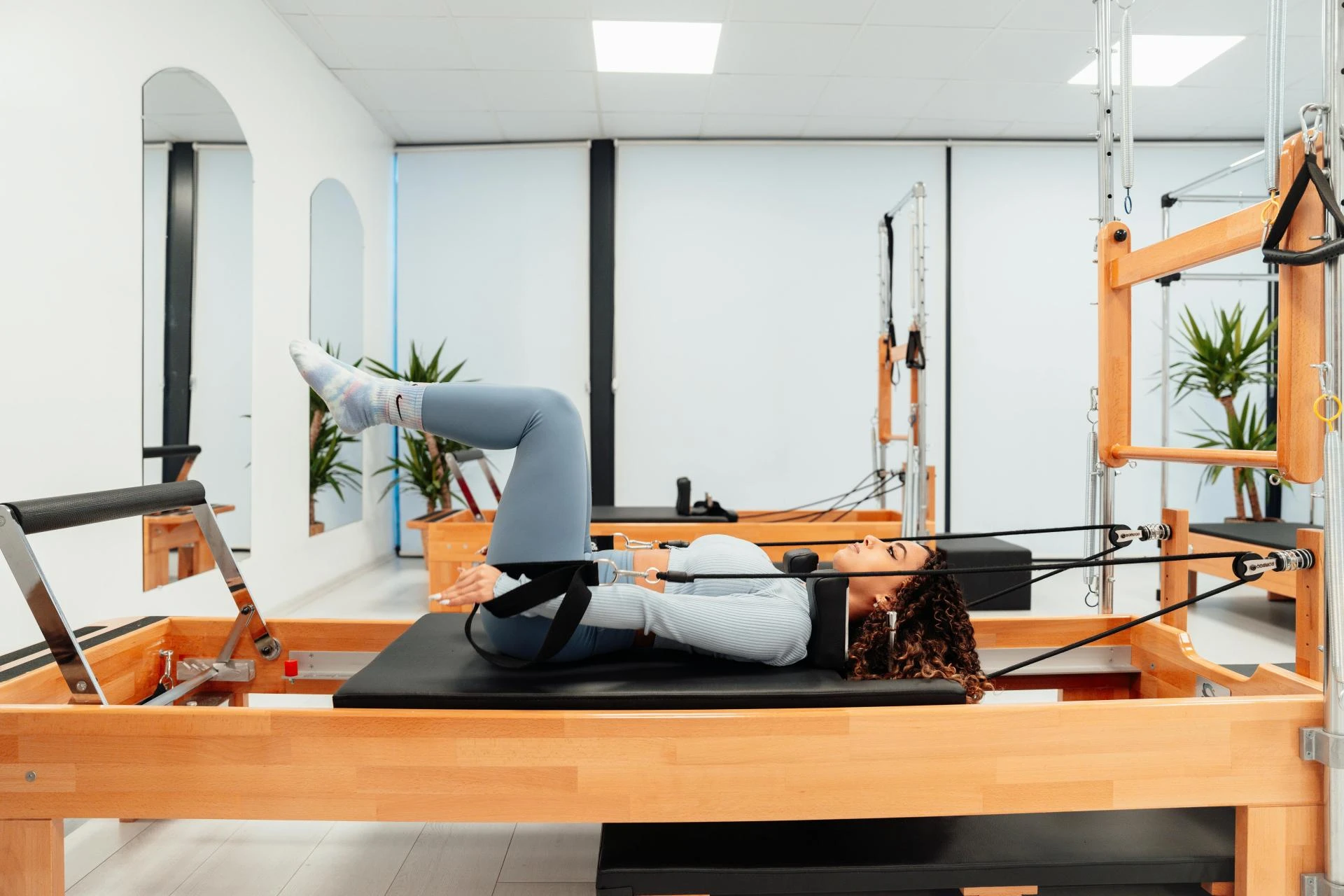
2. Strength Training
Strong legs are essential for both ascending and descending.
Focus on:
Squats:
Build strength in your quadriceps and glutes.
Lunges:
Improve single-leg strength and balance.
Step-ups:
One of the most useful exercises because they replicate the movement involved in climbing.
Calf raises:
Strengthen the calves for repeated uphill walking.
Glute bridges:
Develop glute strength and improve lower-body stability.
You should also include core exercises because a strong core helps maintain posture while carrying a backpack.
3. Stair Training
If you live in an area without hills, stairs can be an effective training tool.
Start with a manageable number of repetitions and gradually increase them.
The objective isn't to sprint up the stairs. Instead, maintain a controlled pace similar to your expected trekking pace.
How to Prepare for the Altitude
Altitude requires a different approach from ordinary fitness.
You cannot completely "train away" the effects of altitude at sea level. Instead, proper acclimatization, pacing, hydration, nutrition, and awareness of symptoms are important.
Walk Slowly
One of the most common mistakes beginners make is walking too quickly at the beginning of the trek.
Maintain a pace that allows you to breathe comfortably.
Take Regular Breaks
Short, controlled breaks can help you recover without allowing your body to become completely cold.
Stay Hydrated
Drink water regularly throughout the day. Your hydration requirements can increase during physical activity and in dry mountain environments.
Don't Ignore Symptoms
Altitude-related illness can become serious.
Symptoms such as severe headache, confusion, difficulty walking, severe breathlessness at rest, or worsening symptoms require immediate attention and potentially descent.
Do not treat serious altitude symptoms as something you simply need to "push through."
What About Snow on Dayara Bugyal?
Snow can significantly change the character of the trek.
During snowy periods, trails may become:
- Slippery
- Colder
- More physically demanding
- Harder to navigate
Walking on snow requires greater concentration and sometimes specialized equipment depending on conditions.
Winter trekking can therefore feel considerably more challenging than trekking on a dry trail.
If you're planning a snow trek, check current conditions with your trek operator and prepare appropriate clothing and footwear.
What Should Beginners Know?
The Dayara Bugyal trek can be a good introduction to Himalayan trekking because it does not generally require advanced mountaineering skills.
However, beginners should not underestimate the environment.
Before starting, make sure you are comfortable with:
- Walking for several hours
- Carrying a daypack
- Walking uphill and downhill
- Managing basic cold-weather conditions
- Following a trekking group's instructions
- Maintaining a steady pace
Mental preparation is equally important. Trekking involves discomfort, fatigue, early mornings, changing weather, and limited conveniences.
Essential Gear for the Trek
Your equipment should match the season.
Clothing
Use a layering system rather than relying on one extremely thick jacket.
A typical system includes:
- Base layer
- Warm insulating layer
- Waterproof/windproof outer layer
Also carry:
- Warm socks
- Gloves
- Woollen cap
- Sunglasses
- Rain protection
Footwear
Good trekking shoes with adequate grip are essential.
Avoid starting a Himalayan trek with brand-new footwear. Break your shoes in beforehand to reduce the risk of blisters.
Backpack
Keep your personal backpack as light as reasonably possible.
A heavy backpack can significantly increase fatigue, particularly during uphill sections.
Other Essentials
Consider carrying:
- Water bottle
- Headlamp
- Sunscreen
- Sunglasses
- Personal medicines
- Basic first-aid supplies
- Power bank
- Identification documents
- Trekking poles
Your trek operator may provide or require additional equipment depending on the season and itinerary.
Nutrition During the Trek
Food provides the energy needed for prolonged walking.
Prioritize balanced meals containing carbohydrates, protein, and fats.
Useful trekking snacks can include:
- Nuts
- Trail mix
- Energy bars
- Dry fruits
- Chocolate
- Fruits
- Electrolyte drinks
Don't wait until you're extremely hungry before eating. Small, regular snacks can help maintain energy during long trekking days.
A Simple 4-Week Fitness Plan
If you're preparing for the Dayara Bugyal trek, a basic four-week approach can look like this:
Week 1
- 30-minute brisk walk: 4 days
- Squats: 3 sets
- Lunges: 3 sets
- Calf raises: 3 sets
- One longer weekend walk
Week 2
- 40-minute cardio: 4 days
- Stair climbing: 2 sessions
- Strength training: 3 sessions
- 6–8 km weekend walk
Week 3
- 45–60-minute cardio sessions
- Longer stair/incline sessions
- Strength training: 3 sessions
- 8–10 km weekend walk
Week 4
Reduce the training load slightly and prioritize recovery.
Avoid doing an extremely hard workout immediately before departure. Your goal is to arrive at the trek rested rather than exhausted.
Who Should Take Extra Precautions?
People with existing medical conditions, significant previous altitude problems, or concerns about their ability to handle strenuous exercise should discuss their plans with an appropriate healthcare professional before undertaking a high-altitude trek.
Children and older adults may also require more individualized preparation depending on their fitness and previous trekking experience.
Trekking operators can provide logistical guidance, but medical decisions should be made with qualified healthcare professionals.
Final Verdict on Dayara Bugyal Trek Difficulty
The Dayara Bugyal trek is generally a moderate Himalayan trekking experience. Its main challenges are sustained walking, elevation gain, altitude, weather, and consecutive days of physical activity rather than highly technical climbing.
For a reasonably fit beginner who prepares properly, maintains a controlled pace, uses appropriate equipment, and respects altitude and weather conditions, the trek can be approached as an achievable Himalayan adventure.
The key is preparation. Build cardiovascular endurance, strengthen your legs, practice walking uphill and downhill, break in your trekking shoes, and understand how your body responds to altitude.
Most importantly, don't measure your ability by how quickly you can complete a trail. In the Himalayas, steady pacing, preparation, and responsible decision-making are more important than speed.


























Sign in to leave a comment.