How Do BI METAL CONNECTORS Create Reliable Electrical Connections?


An electrical connection is not considered reliable simply because two conductors are physically joined. The materials, contact surfaces, mechanical pressure, temperature changes and installation method can all influence how that connection behaves over time. BI METAL CONNECTORS are designed for situations where different conductive materials need to be connected through a properly engineered transition. They are commonly considered in power distribution, transformers, switchgear, electrical panels and industrial installations where the connection requirements go beyond a standard single-metal terminal.
But why are these connectors necessary when both copper and aluminium conduct electricity? The answer lies in the differences between the materials. Copper and aluminium have different electrical and physical characteristics, so a connection between them needs appropriate consideration. A bimetallic connector provides a dedicated interface instead of requiring installers to improvise a transition between dissimilar metals.
What exactly is a BI METAL CONNECTOR?
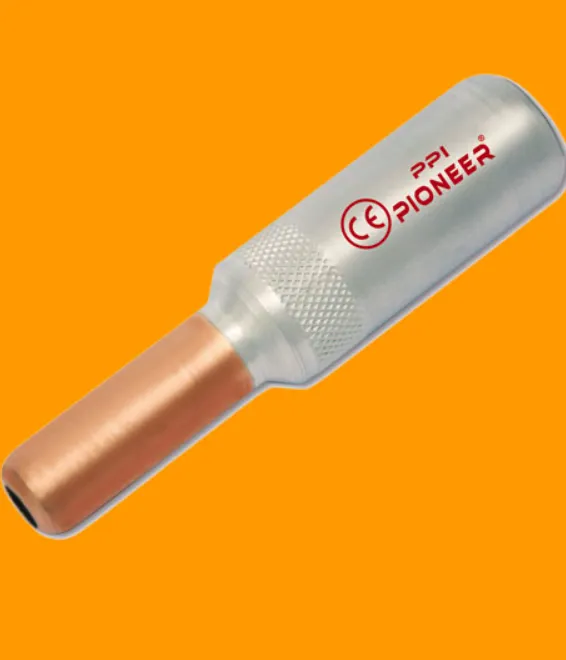
A BI METAL CONNECTOR is an electrical termination component manufactured using two different metals within one connection assembly. Its construction allows one section to interface with one conductor material while another section connects with equipment or a conductor made from a different material.
The two sections are joined during manufacturing to create a continuous component. Depending on the design, the connector may be used for cable termination, conductor joining or equipment connections.
This makes the component different from an ordinary cable connector. A standard connector may be designed primarily around one conductor material, whereas a bimetallic design addresses the transition between two materials.
Why Do Electrical Installations Need Bimetallic Connections?
A common question is: “Why can't different metals simply be connected together?”
Although electrical systems routinely use copper and aluminium, their differences should not be ignored at the connection point. Aluminium has different conductivity, thermal expansion characteristics and surface behaviour compared with copper. Environmental exposure can also affect dissimilar-metal interfaces.
When the wrong termination method is used, the connection may become more vulnerable to resistance changes, corrosion or mechanical issues. A purpose-designed transition component gives the installer a defined connection rather than relying on incompatible or improvised hardware.
This is one of the main applications for BI METAL CONNECTORS in electrical infrastructure.
How Do BI METAL LUGS Differ From Ordinary Lugs?
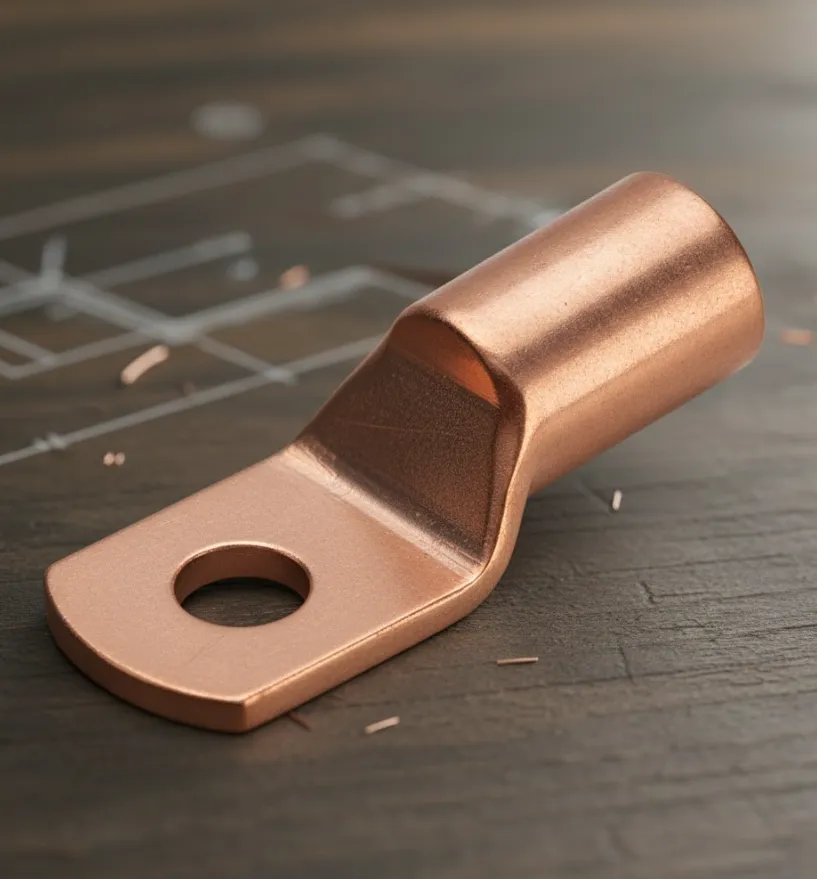
BI METAL LUGS are designed around the same basic principle of providing a transition between different metals. A commonly encountered configuration combines an aluminium barrel with a copper palm.
The barrel provides the section into which the appropriate conductor is inserted and compressed, while the copper palm creates the equipment-side connection. This construction can be useful where an aluminium conductor has to interface with copper-based equipment.
The important point is that a bimetal lug should not be selected simply because it looks suitable. Its conductor size, palm dimensions, mounting-hole arrangement, material combination and installation requirements should correspond with the actual application.
Where Are BI METAL CONNECTORS Commonly Used?
The application of these connectors can extend across several types of electrical equipment. They may be considered in:
- Transformer connections
- Switchgear assemblies
- Power distribution systems
- Electrical panels
- Busbar connections
- Industrial control equipment
- Power cable terminations
- Distribution boards
In these environments, cables may connect to terminals or equipment made from a different conductive material. A bimetal termination can provide a defined transition between the cable and the connection point.
Does Connector Size Determine the Right Choice?
Not entirely. Cable size is certainly important, but it is only one specification to consider.
Before selecting BI METAL CONNECTORS, buyers and installers should examine the conductor cross-section, conductor material, barrel dimensions, palm width, mounting-hole diameter and connection configuration. The expected electrical load and environmental conditions may also influence product selection.
For example, a connector that fits the cable may still have an unsuitable palm configuration for the equipment terminal. Similarly, a physically compatible component may not have the required electrical or mechanical characteristics for a particular installation.
A complete specification check therefore provides more useful information than choosing a connector based on cable size alone.
Why Is Installation Technique Important?
Even a properly manufactured connector depends on correct installation. The conductor should be prepared according to the applicable installation instructions, inserted correctly and compressed using suitable tooling.
“Can I use any crimping tool with a BI METAL CONNECTOR?” This is another practical question that should not be overlooked. The answer depends on the specific product. Different connector designs may require particular dies, compression sequences or tooling arrangements.
Incorrect compression can affect the mechanical grip and electrical contact. For this reason, installers should follow the manufacturer's recommended crimping procedure rather than assuming that every lug uses the same method.
How Can Environmental Conditions Affect a Connection?
Electrical connections do not operate in isolation. Temperature variation, humidity, moisture, dust and industrial contaminants can all influence the surrounding environment.
Dissimilar metals can also respond differently to temperature changes. Repeated heating and cooling can produce expansion and contraction within an electrical assembly. Where different metals meet, the connection therefore needs to be selected and installed with these conditions in mind.
For outdoor or demanding industrial applications, product specifications relating to corrosion resistance, operating conditions and installation environment should be checked before purchase.
What Should Buyers Ask Before Purchasing?
Rather than asking only, “Which BI METAL CONNECTORS should I buy?”, consider asking:
Is it designed for the two materials being connected?
The connector should be intended for the actual conductor and equipment combination.
Does the conductor fit the specified barrel?
The cable cross-section must correspond with the manufacturer's stated range.
Will the palm fit the equipment terminal?
Check hole diameter, spacing and physical dimensions.
What installation method is specified?
Confirm the recommended crimping equipment and procedure.
Is it suitable for the operating environment?
Consider indoor, outdoor, humid and industrial conditions as applicable.
These questions help turn product selection into an application-based decision rather than a simple size comparison.
Choosing a Suitable Supplier for Bimetallic Electrical Components
When sourcing electrical termination products, consistency in manufacturing and clear product specifications are important considerations. Electrical professionals need components that correspond with the technical requirements of the installation rather than products selected solely on appearance or price.
Pioneer Power International offers electrical connection and termination solutions, including BI METAL CONNECTORS, BI METAL LUGS and other cable accessories for different electrical applications. Its range can be considered by contractors, electrical professionals and project buyers looking for appropriately specified components for power and distribution installations.
Ultimately, the purpose of a bimetallic connection is not simply to join two metals. It is to provide a planned transition between different conductive materials while maintaining a practical and properly specified termination. Understanding the conductor, equipment interface, dimensions, environment and installation method is therefore essential before choosing the right connector.






Sign in to leave a comment.