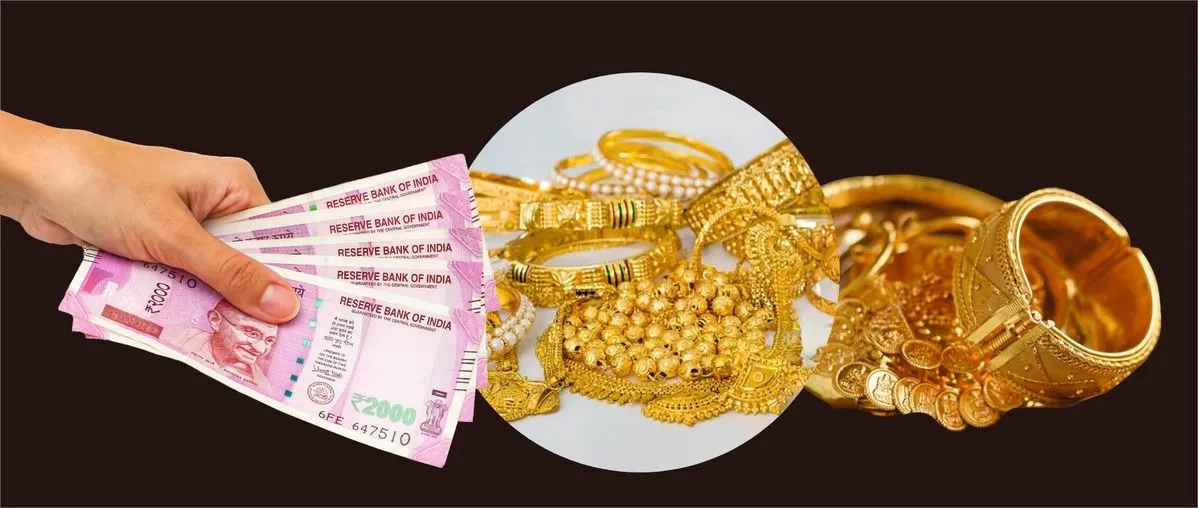

Gold jewellery rarely consists of pure gold alone. It usually contains silver, copper, zinc, nickel or other metals that improve strength, colour and durability. Stones, clasps, solder and decorative parts further complicate valuation. For a lender, therefore, the visible weight of an ornament is not the same as its eligible gold content.
This distinction matters when jewellery is pledged for a gold loan. The lender must estimate the purity and net gold weight before determining the collateral value and permissible loan amount. Many lenders now use an X-ray fluorescence, or XRF, machine as part of this assessment. It provides a rapid, non-destructive reading of the metals present on the tested surface. Yet the machine isn’t a substitute for trained judgement. Its result must be considered alongside physical inspection, weighing, hallmark verification and the lender’s approved valuation procedure.
What Is an XRF Machine and How Does It Read Gold Purity?
An XRF machine uses controlled X-rays to analyse the elemental composition of jewellery. When the X-ray beam strikes an ornament, atoms in the metal become temporarily excited. As they return to their normal state, they release secondary X-rays. Each element produces a characteristic energy pattern, rather like a chemical fingerprint.
The machine’s detector captures these signals, while its software estimates the percentages of gold and other detectable metals at the tested point. A reading showing about 91.6% gold, for example, broadly corresponds to 22-carat purity. An alloy containing roughly 75% gold corresponds to 18 carats. The result may appear within seconds, depending on the equipment and testing settings.
Because the test ordinarily examines the surface without cutting, melting or scraping the ornament, it is suitable for routine branch-level assessment. However, readings may vary if the jewellery has plating, heavy solder, uneven composition or a surface treatment.
How Is an XRF Purity Test Conducted at a Lending Branch?
Before using the machine, the authorised employee or valuer generally inspects each ornament. The examination may cover hallmarks, visible damage, joints, hooks, stones, lac filling and non-gold attachments. The jewellery is then cleaned where necessary because oil, dust or polish can affect a surface reading.
The item is placed securely inside the XRF chamber, with the selected area facing the beam. Larger or complex ornaments may be tested at several points rather than only once. Common testing locations include the main body, edges and soldered joints. Multiple readings help identify variations that a single test could miss.
A typical branch process may include:
- verifying the item and recording its description;
- checking BIS hallmark or HUID details, where available;
- taking XRF readings at suitable points;
- comparing inconsistent readings;
- recording gross weight and allowable deductions; and
- calculating the net weight of eligible gold.
Procedures may differ between gold loan lenders, subject to internal policies, equipment specifications and applicable norms.
Why Can XRF Results Differ Across Parts of the Same Ornament?
XRF is highly useful, but it is mainly a surface-analysis technique. It does not always reveal the composition deep inside an ornament. A gold-plated item, for instance, may produce a strong surface reading even when the underlying material is different. Similarly, a chain may contain solder with lower purity at its joints, while its links show a higher gold percentage.
Traditional jewellery can present further complications. Lac, wax or another filling may sit inside bangles and hollow pieces. Stones and fastening materials add weight but generally aren’t treated as eligible gold. A hallmark is helpful evidence, although lenders may still conduct their own assay under a standard procedure.
For these reasons, valuers may test several surfaces, examine wear points or use another permitted method when readings appear inconsistent. Some cases may require a touchstone and acid test or referral for specialised assaying. Fire assay is more definitive but involves sampling and is not generally suited to routine testing of pledged ornaments because it is destructive.
How Do Purity and Net Gold Weight Affect Loan Valuation?
Once purity has been assessed, the lender determines how much eligible gold the jewellery contains. Suppose an ornament weighs 30 grams but includes three grams of stones, clasps and other excluded material. Its net eligible weight may be taken as 27 grams. If the assessed purity is 22 carats, the lender applies its approved valuation methodology to that net content rather than to the full 30 grams.
The resulting collateral value helps determine the amount that may be offered within the applicable loan-to-value limit. The sanctioned amount may also depend on repayment capacity, loan purpose, internal risk criteria and regulatory requirements. A gold loan calculator can provide an indicative estimate, but it cannot reproduce the final branch assay or account for every deduction.
Purity also shouldn’t be confused with pricing. The gold loan interest rate may depend on the loan amount, tenure, repayment structure, borrower profile and lender policy. Higher purity may improve collateral value, but it does not automatically guarantee a particular rate.
What Transparency Should Borrowers Expect During Gold Testing?
The Reserve Bank of India’s Lending Against Gold and Silver Collateral Directions, 2025, which regulated entities were required to comply with no later than April 1, 2026, place strong emphasis on consistent assaying and borrower visibility. Lenders must maintain a standardised procedure for assessing purity, gross weight and net weight across their branches. The borrower should also be present while the collateral is assayed at sanction.
Deductions for stones, lac, strings, fastenings, alloy or other non-gold elements should be explained. The lender must issue a certificate or e-certificate containing relevant details, including carat purity, gross weight, net precious-metal content, deductions, defects, an image and the assessed collateral value. The RBI directions also require lenders to disclose their net-weight and valuation methodology on their websites. These measures support fair lending and reduce disputes over what was pledged.
A gold loan app may help with service access or account management, depending on its features, but the physical valuation remains subject to the lender’s prescribed process.
Conclusion
XRF testing makes gold assessment quicker and less invasive, but its value lies in how carefully it is used. A reliable appraisal combines calibrated equipment, readings from appropriate points, physical inspection, accurate weighing and transparent deductions. It also recognises the limits of surface testing, particularly where plating, solder or internal filling may influence the result.
For borrowers, the most important safeguards are presence during assaying, a clear explanation of deductions and a complete assay certificate. The final loan amount remains subject to the assessed purity, net eligible weight, prevailing valuation method, regulatory limits and lender policy. Understanding that process can make the transaction easier to review and, where necessary, question.
























Sign in to leave a comment.