

Professional roof coatings protect spray foam by shielding it from ultraviolet (UV) radiation, moisture, and surface wear. Without this protective layer, sunlight can cause exposed spray polyurethane foam (SPF) to darken, become brittle, and gradually deteriorate. A compatible coating helps preserve the foam and the roofing system beneath it.
The right coating depends on the existing roof, drainage, weather exposure, and foam system. Understanding coating types, application requirements, and maintenance helps property owners make informed decisions about spray foam roofing services.
Why Does Spray Foam Need a Protective Roof Coating?
Spray foam creates a continuous layer that provides insulation and helps limit air and water movement through suitable roof assemblies. However, the foam is vulnerable to direct sunlight and physical damage when left exposed.
According to the Spray Polyurethane Foam Alliance (SPFA), spray foam roofing systems require a protective covering against UV exposure, mechanical wear, and weathering.
A properly selected roof coating helps by:
- Blocking UV exposure: The coating shields the foam surface from sunlight that can cause degradation.
- Limiting weather damage: It provides a protective layer against rain and other environmental exposure when properly installed.
- Reducing surface wear: The coating helps protect against routine abrasion and minor surface damage.
- Supporting roof maintenance: Many coating systems can be renewed when inspections show wear, without automatically replacing the entire roofing system.
Which Roof Coatings Protect Spray Foam Best?
Different coating materials offer different benefits. The best choice depends on the foam system, roof conditions, and manufacturer specifications.
Silicone Roof Coatings
Silicone coatings are often considered for roofs exposed to frequent rain or standing water. Their suitability depends on the specific product and the roof's drainage conditions.
Property owners should still address drainage problems rather than relying on a coating to correct them.
Acrylic Roof Coatings
Acrylic coatings can provide UV protection and may reflect sunlight when a suitable light-colored product is used. However, their resistance to prolonged ponding water varies by product, so drainage and application requirements matter.
Polyurethane and Polyurea Coatings
These coatings may provide useful resistance to abrasion, impact, or other forms of surface wear, depending on the formulation. They must be compatible with the underlying foam and any existing coating.
The SPFA's roofing guidance identifies acrylic, silicone, butyl rubber, polyurethane, and polyurea among the coating types used in SPF roofing systems.
| Coating Type | Potential Benefit | Important Consideration |
| Silicone | Resistance to weather exposure and ponding water in suitable systems | Surface preparation and product compatibility matter |
| Acrylic | UV protection and potential solar reflectance | Prolonged standing water may be unsuitable for some products |
| Polyurethane | Can provide abrasion and wear resistance | Performance depends on the specific formulation |
| Polyurea | May offer strong surface protection | Application requirements and compatibility vary |
Signs a Spray Foam Roof May Need Recoating
Protective coatings wear down over time. Regular inspections help property owners identify problems before exposed foam deteriorates further.
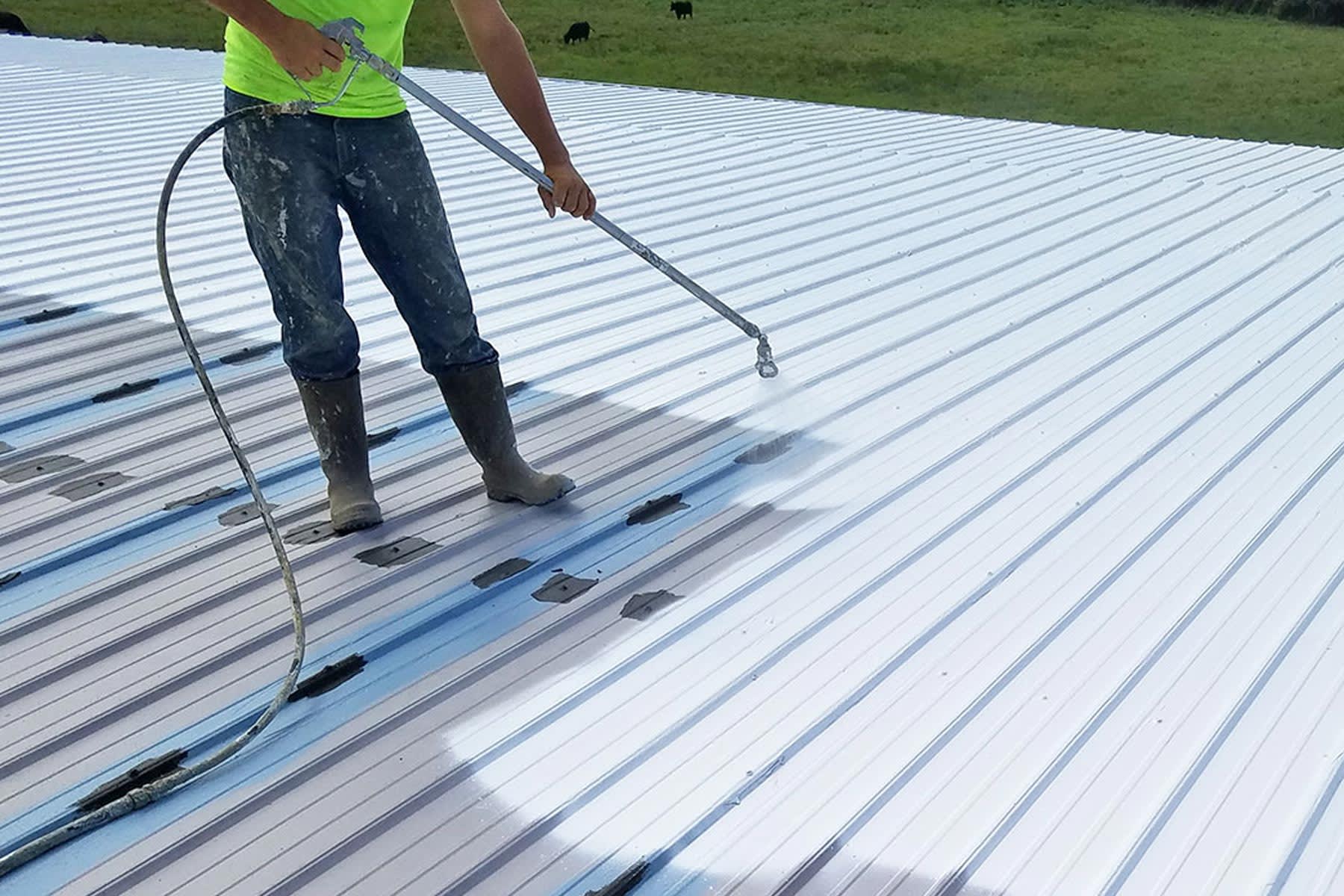
Watch for these warning signs:
- Thin or worn coating: Areas with reduced coating coverage may leave the foam vulnerable to sunlight.
- Exposed or brittle foam: Discoloration, crumbling, or surface erosion can indicate UV damage.
- Cracks or peeling: These may indicate coating deterioration or adhesion problems that need investigation.
- Damage around roof equipment: Foot traffic, maintenance work, and new equipment installations can damage the coating around penetrations.
- Water collecting on the roof: Blocked drains or poor drainage should be corrected as part of the roof assessment.
The Insurance Institute for Business & Home Safety's spray foam roof guidance recommends inspecting for coating wear, exposed or cracked foam, flashing separation, and drainage problems.
How Weather Affects Roof Coating Application
Rain and moisture can interfere with coating adhesion and curing. Applying a coating to a wet or unsuitable surface may compromise the finished system.
Before work begins, the contractor should check:
- Surface condition: The roof must be clean, dry, and free of incompatible or loose materials.
- Weather forecast: Rain should be avoided during application and the required curing period.
- Temperature and humidity: Conditions must meet the coating manufacturer's specifications.
- Existing damage: Wet foam, failed flashing, and damaged roof sections should be evaluated and repaired before recoating.
In wetter parts of Washington, scheduling should be based on actual roof conditions and the product's application requirements, not just the season.
Does Roof Coating Improve R-Value?
R-value measures how well insulation resists heat flow. The spray foam provides most of the roof system's insulation value, while the coating primarily protects the foam from UV exposure and weathering.
A standard protective coating should not be treated as a replacement for missing insulation. If a building needs better thermal performance, a contractor should assess the foam thickness and overall roof assembly separately.
Why Professional Application Matters
Even a suitable coating can fail if it is applied over a dirty, wet, damaged, or incompatible surface. Proper preparation and application help the coating adhere and provide the intended protection.

A professional assessment should cover the existing coating, foam condition, drainage, flashing, and roof penetrations. The contractor should also specify the coating product, required thickness, application conditions, and maintenance plan.
Spray-On Foam & Coating Inc. offers spray foam roofing, roof coatings, commercial insulation, and polyurea coatings. Property owners can discuss their roof's condition and determine which services may suit the project.
Conclusion
Professional roof coatings help protect spray foam from UV damage, moisture exposure, and surface wear. Silicone, acrylic, polyurethane, and polyurea coatings have different properties, so the right option depends on the roof and the manufacturer's system requirements. Regular inspections and timely repairs or recoating help maintain the protective layer and preserve the roof beneath it.You can also refer to the map below for their location and service area information.
Contact Spray-On Foam & Coating Inc.
For help evaluating spray foam roofing and protective coating needs, contact Spray-On Foam & Coating Inc.
Email: [email protected]
Phone: (360) 667-1993
FAQs About Professional Roof Coatings
Can Roof Coatings Fix Leaks in a Spray Foam Roof?
Roof coatings may seal minor surface defects when the product is suitable, but they cannot reliably fix every leak. Damaged foam, failed flashing, and roof penetrations may need repairs before recoating.
What Happens If a Spray Foam Roof Has Blisters or Bubbles?
Blisters can indicate adhesion problems, trapped moisture, or issues with the existing coating. A contractor should inspect the affected area to identify the cause before applying another layer.
Can Foot Traffic Damage a Coated Spray Foam Roof?
Yes. Repeated foot traffic, dropped tools, and equipment servicing can wear down or puncture the coating. Designated walkways and careful maintenance can help reduce damage.
Should a Spray Foam Roof Be Inspected After a Severe Storm?
Yes. Strong winds, heavy rain, and flying debris can damage coatings, flashing, and drainage components. An inspection can identify defects early and help prevent further deterioration.
Author
I’m Nick Urban, Vice President of Spray-On Foam & Coating. I’ve worked in construction since 2003 and spent 18 years as an electrician. In 2022, I bought into Spray-On with my brother, Steve, who is now President and has worked in construction since 1998, including two years as an electrician. Mike Homola, our Lead Estimator, has been part of Spray-On for decades. His father-in-law, Roger Tikka, started the company in 1973, and Mike began working in the field here in the 1990s before moving into the office. He continues to work with the company today and remains a shareholder.
Reviewer
Jack Parker, a spray foam professional with 7 years of experience, reviewed this post and helped improve sections dealing with brand clarity and customer communication.






















Sign in to leave a comment.