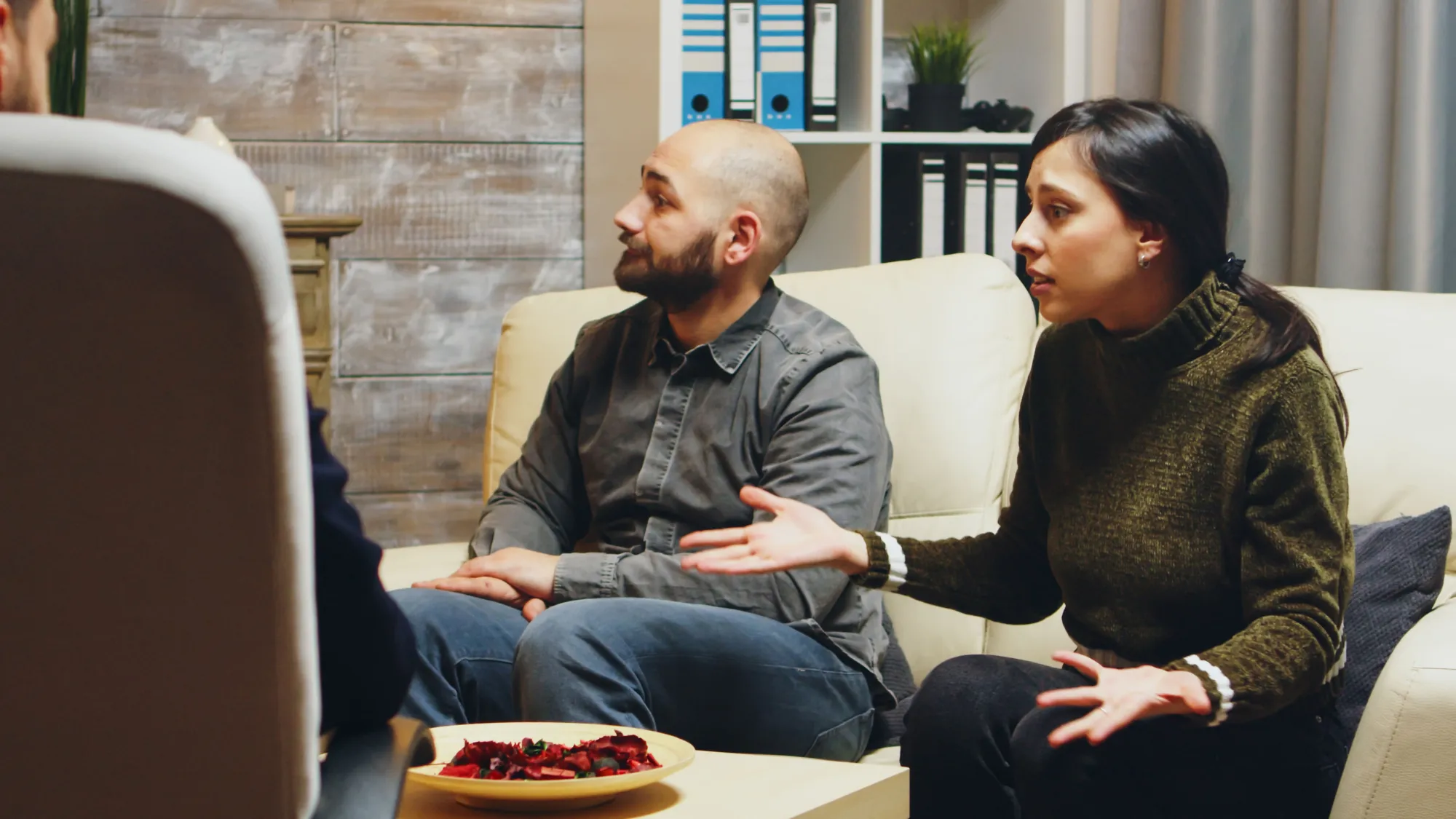

Every couple fights. That part isn't unusual. What tends to separate couples who recover from a fight and couples who slowly drift apart is what's actually happening underneath the argument itself. A trauma-informed approach starts from the assumption that most conflict has a history behind it, one that has nothing to do with the dishes or who forgot to text back.
Conflict Is Rarely About the Surface Issue
A shouting match over something small, like tone of voice or a canceled plan, almost never starts there. It usually starts somewhere much older. Someone raised in a home where anger meant danger might shut down the moment their partner's voice rises, regardless of what's actually being said.
A therapist trained to recognize this doesn't just referee the disagreement. They look for the pattern feeding it. That distinction changes everything about how a session unfolds, and it's a big part of what separates trauma-aware relationship therapy from generic conflict coaching.
What Trauma-Informed Practice Actually Looks Like in Session
This kind of work leans on a handful of specific frameworks rather than general advice. Emotion-Focused Therapy, for instance, looks at the attachment fears sitting underneath a fight, things like the fear of being abandoned or not being enough. The Gottman Method takes a more structured approach, identifying communication patterns that predict long-term relationship breakdown if left unaddressed.
A few things tend to show up across trauma-informed sessions:
- Slowing conflict down enough to notice the emotion driving it, not just the words
- Naming attachment patterns, like pursuing versus withdrawing, without assigning blame
- Building physical safety cues into the room before pushing into harder topics
- Treating nervous system regulation as part of the work, not separate from it
None of this happens by accident. A therapist working this way is actively watching for signs that someone has shifted into a fight, flight, or freeze response mid-conversation, and adjusting the pace of the session accordingly.
Why Blame Isn't the Starting Point
Traditional conflict advice often centers on fairness. Who's right, who owes an apology, who needs to compromise more. Trauma-informed work takes a different starting point entirely. Instead of asking who's at fault, the question becomes what old wound just got triggered, and why did it land so hard?
That reframe changes the emotional tone of a session almost immediately. Partners stop bracing for judgment and start actually listening to each other, sometimes for the first time in months. It's not about excusing hurtful behaviour; it's about understanding the mechanism behind it so it can actually change.
Building Safety Before Building Skills
Communication tools, like taking turns speaking or using "I" statements, only work if both people feel safe enough to use them. That's a step a lot of self-help advice skips entirely. A trauma-informed session usually spends real time on nervous system regulation before it ever gets to scripts or techniques.
This might look like grounding exercises at the start of a session, or simply naming out loud when the conversation has gotten too heated to continue productively. Skipping this step tends to produce short-term fixes that collapse the next time real stress shows up.
Why the Right Fit Matters So Much
Not every counsellor practices this way, and that's worth knowing before booking a first session. Someone searching for a therapist Burnaby couples can actually trust with this kind of work should ask directly about training in trauma-informed models, attachment theory, or EMDR, since these approaches require specific clinical training beyond general talk therapy.
A mismatch here isn't just wasted time. Couples who work with a therapist unfamiliar with trauma responses sometimes leave sessions feeling more exposed than supported, especially if old wounds get surfaced without enough safety built around them first. Asking about approach and training upfront, even briefly, tends to save a lot of frustration later.
A Team That Understands Relationships Fully
Tulua Collaborative Health, based in Burnaby, brings trauma-informed relationship and family therapy together with medical and nutritional support under one roof. Counsellors trained in Emotion-Focused and Gottman Method approaches work alongside a nurse practitioner and dietitian, which matters more than it might seem, since chronic stress, sleep disruption, and hormonal shifts often show up as relationship strain long before anyone names them correctly. New clients can start with a free 15-minute consultation to find the right fit before committing to ongoing sessions.
Frequently Asked Questions
What's the difference between couples counselling and trauma-informed couples therapy?
Standard couples counselling often focuses on communication skills alone. Trauma-informed therapy also addresses the attachment wounds and nervous system responses fueling the conflict in the first place.
How long does this kind of therapy usually take?
This varies widely, but many couples notice a shift in how they argue within eight to twelve sessions, though deeper patterns can take longer to fully settle.
Is this approach only for couples in crisis?
No. Many couples begin this work proactively, before a major rupture, simply to strengthen communication and understand each other's triggers earlier.
Can one partner attend sessions if the other isn't ready?
Yes. Individual sessions focused on relationship patterns can still be valuable, and sometimes lead the other partner to join later.
Does insurance cover relationship or family therapy sessions?
Most extended health plans that cover Registered Clinical Counsellors also extend to couples and family sessions, though it's worth confirming details with the individual plan.



















Sign in to leave a comment.