How Do You Build a Treatment Quality Plan Around Corona Surface Treatment Equipment?

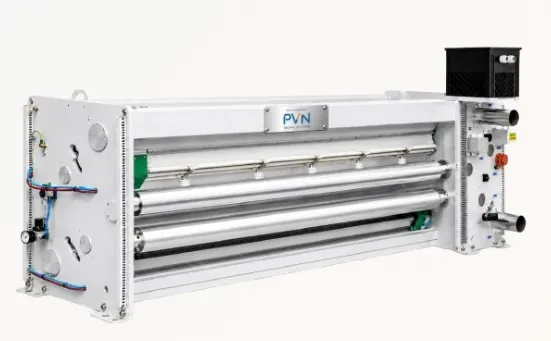
Many plants own good treatment equipment and still suffer random adhesion failures. The reason is often not the machine but the absence of a plan. Tests happen when someone remembers, results are not written down, and nobody knows what to do when a reading looks borderline. By the time a failure appears, the evidence is gone.
A quality plan fixes that. For your corona surface treatment equipment, it does not need to be complicated. It needs clear targets, a test schedule, simple limits that trigger action, and records that people actually review. This guide shows how to build one in an afternoon.

Step 1: Define What "Good" Means
Start by writing down the requirements. For each film and process, record:
- The minimum surface energy your ink, coating or adhesive supplier requires
- The target level you aim for, including a margin for decay
- The side of the film that must be treated
- The test method you will use
- Any customer requirements that affect treatment
Put these in one table that operators can see. A plan without clear targets cannot be followed.
Step 2: Choose Test Points
Decide when and where to test. Sensible points include:
- Incoming film: a sample from each new roll or batch
- Start of job: before full production
- After changes: film, speed, width, power or station settings
- During the run: at set intervals
- Before dispatch or storage: if treated film leaves your process
Also decide where on the web to test. At minimum, test the edge and centre. On wide webs, add more positions.
Step 3: Set Test Frequency Based on Risk
Not every job needs the same attention. Match frequency to risk.
| Situation | Suggested frequency |
|---|---|
| Critical product, demanding end use | Every roll and at short intervals |
| Standard job, stable film and supplier | Start of job and regular intervals |
| New film or supplier | More frequent until a stable history exists |
| After maintenance or part replacement | Immediately and on the following runs |
| Known problem material | Extra checks, with tighter limits |
Review the frequencies after a few months of data. If you never find a problem at one test point, you may reduce it. If problems keep appearing at another, increase it.
Also Visit: dyne testing pen
Step 4: Use Three Simple Limits
Instead of only pass or fail, use three zones.
Target: the level you aim for. Results at or above this are normal.
Warning: a level slightly below the target but still above the minimum. A reading here means "look into it," for example check cleaning, gap and film age before the next test.
Action: the level at or below the minimum requirement. A reading here means "stop and correct," and the affected material is held until it is retested or released.
This approach catches drift early. A series of warning readings tells you something is changing long before a failure occurs.
Step 5: Write Down the Response Plan
For each zone, record what operators should do and who decides. For example:
- Warning: inspect electrode and roll, check gap, check film age, retest, and tell the supervisor if it repeats.
- Action: stop, adjust treatment within approved limits, retest, hold material from the affected period and notify quality staff.
- Repeated actions: escalate to maintenance and the supplier.
Also record who may release held material and what evidence is needed. This stops decisions being made under pressure on the shop floor.
Step 6: Design Simple Records
Keep the record sheet short enough that it gets filled in. Include:
- Date, time and operator
- Job number, film, supplier and roll number
- Treated side
- Speed, width and power setting
- Target and measured levels at each position
- Any action taken
Whether paper or digital, keep records in one place. Make sure the sheet shows the target, so nobody has to remember it.
Step 7: Look at Trends, Not Just Single Results
A single reading tells you about one moment. A chart over time tells you about the process. Review the records on a regular schedule.
- Weekly: supervisors look for warnings, repeated actions and missing entries.
- Monthly: quality staff plot average levels by film, supplier and treater setting.
- Quarterly: management reviews trends, incidents and costs.
Watch for steady declines in measured level at the same power, rising power needs, one shift that differs from others, or one supplier whose film often arrives low. Each pattern suggests a different action, such as cleaning, gap correction, training or a supplier discussion.
Step 8: Link the Plan to Maintenance
Treatment quality and equipment condition go together. Connect the two:
- Schedule electrode and roll cleaning and inspection, with power isolated and locked out first.
- Record gap measurements and compare them with test results.
- Trigger a maintenance check when warning readings repeat.
- Track electrode life and plan replacement before failure.
- Keep spares for critical parts.
When a test result worsens, the first question should be "what changed in the equipment or the film?" and the records should help answer it.
Step 9: Train and Audit
A plan only works if people follow it.
- Train everyone who tests, and check that they get the same result on the same sample.
- Explain the reason for each step, so shortcuts feel less tempting.
- Audit the plan periodically: are tests happening, are records complete, and were actions taken when limits were crossed?
- Update the plan when materials, customers or equipment change.
A One-Page Plan Summary
Your plan can fit on a single page:
- Targets, warning and action levels by film and process
- Test points and frequencies
- Test method and how to record it
- Response steps for each zone
- Who is responsible for each decision
- Review schedule and records location
- Link to maintenance and training
Print it, place it at the press and keep it current.
Final Thoughts
A treatment quality plan turns good equipment into dependable results. Define your targets, test at sensible points and frequencies, use target, warning and action zones, write down the response, keep simple records and review the trends. Link the plan to maintenance and keep your team trained.
At PVN Techno systems, we believe consistent treatment comes from consistent habits. Draft a one-page plan this week, trial it on one line and refine it with real data. Within a few months, you will find problems earlier, argue less about causes and run with more confidence.




Sign in to leave a comment.