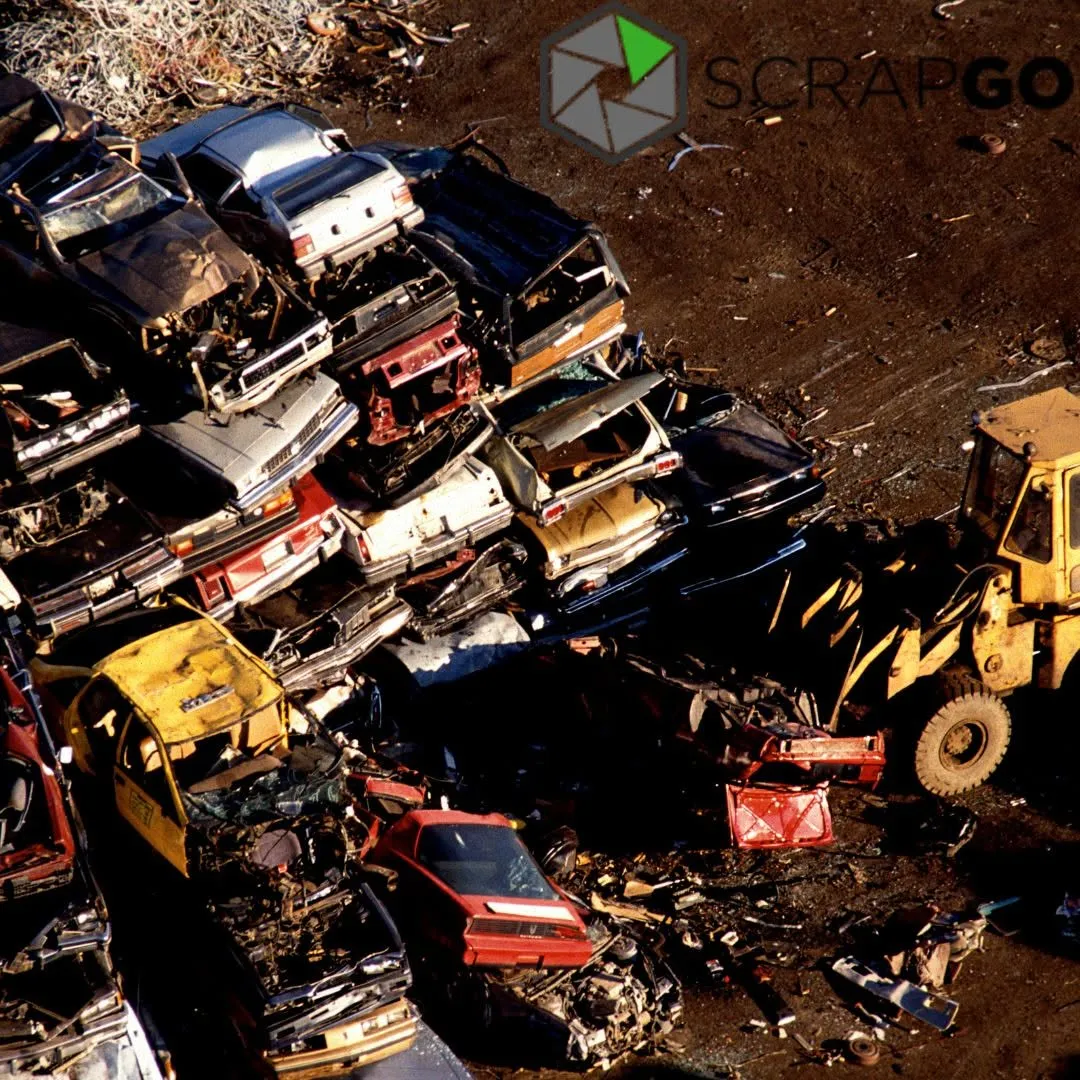

Commercial fleet scrap disposal is the process of retiring end-of-life fleet vehicles by documenting the asset, removing fleet equipment and data, hauling the vehicle to a licensed recycler, and collecting proof of destruction so title, insurance, and tax records can be closed. Done well, it stops the cost of idle vehicles, removes liability, and turns scrap metal into recovered cash. Done badly, a VIN you thought was gone can keep showing up on your insurance, registration, and tax bills.
Key takeaways
- Set a retirement trigger (for example, repair cost above a fixed share of current value) so vehicles don’t linger in limbo.
- Choose the disposal path by value: remarket, part out, or scrap. If there is no resale or parts value, scrap is usually fastest.
- Strip fleet-specific equipment and data (telematics, ELDs, fuel cards, toll transponders) before the vehicle leaves your custody.
- Always get written proof of disposal (certificate of destruction or scrap receipt) and update insurance and asset records the same day.
- For heavy trucks, check whether you can claim a Heavy Vehicle Use Tax (HVUT) credit for a destroyed vehicle.
Pick a hauler that can handle multi-location pickups, batch paperwork, and environmental compliance, not just a single tow.
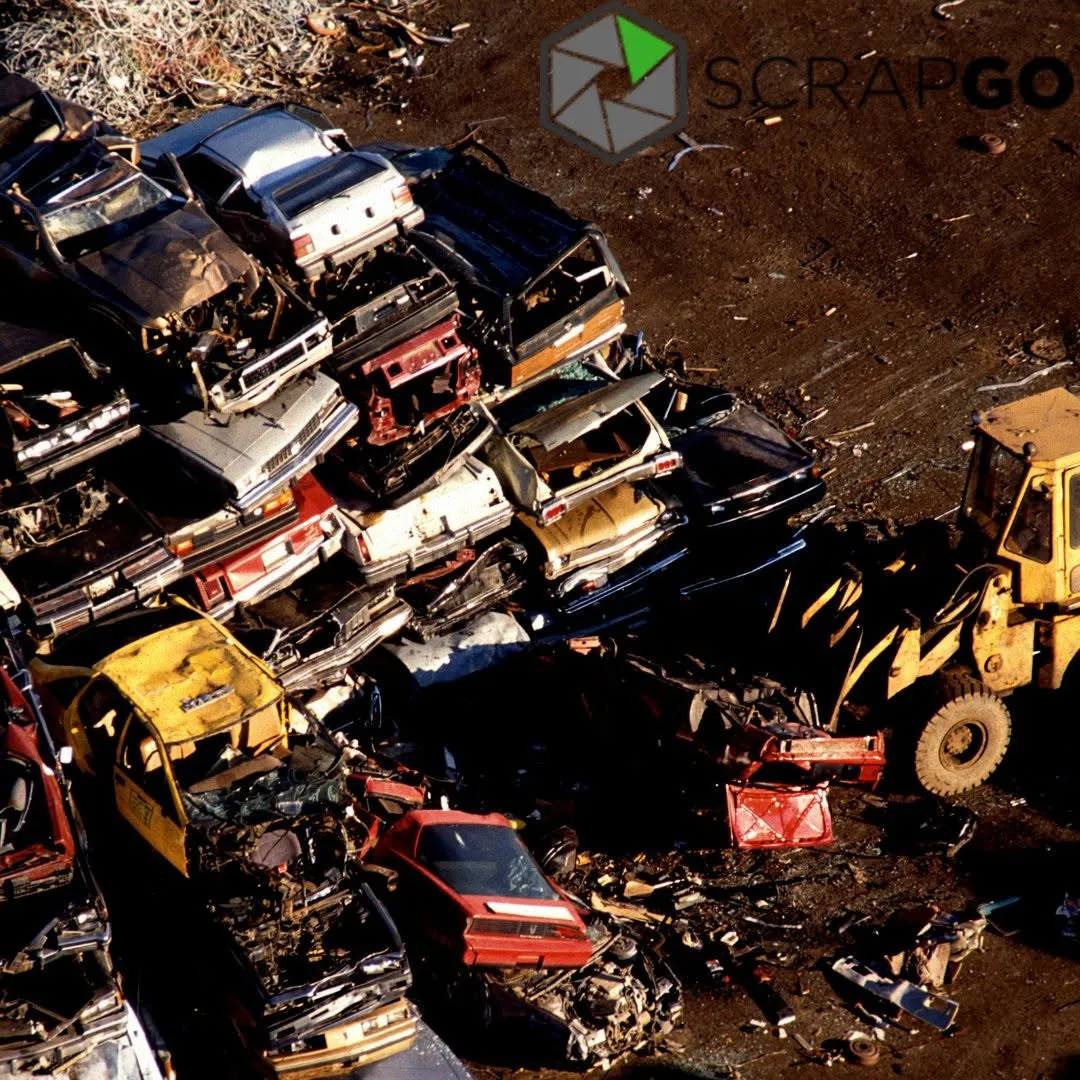
Why does end-of-life vehicle disposition need its own process?
Most fleets have a maintenance schedule. Far fewer have a disposition schedule: a defined point at which a vehicle stops being repaired and starts being retired. Without one, vehicles sit in the yard while costs keep running:
- Insurance and registration on an asset that no longer earns revenue
- Lot space that could hold working vehicles
- Liability exposure from unattended, unsafe, or unlicensed equipment
- Depreciation and book-value drag on your asset register
- Tax and fee leakage, such as heavy-vehicle use tax paid on a truck that is no longer on the road
A repeatable process solves three problems at once: cost control, compliance, and recovery value.
When is a fleet vehicle considered end-of-life?
There is no single legal definition, so define it in your own fleet policy. These are the triggers fleet managers most often use:
- Repair cost vs. value: repair estimate exceeds a set percentage of current market value. Many fleets set this somewhere between 50% and 75%, depending on how critical the unit is.
- Structural or major drivetrain damage: frame damage, failed engine or transmission, or anything that makes restoration uneconomical.
- Failed inspection with no cost-effective route back to compliance.
- Insurance total loss designation after an accident or theft recovery.
- Age or mileage thresholds in your asset management policy, where continued use risks unplanned downtime.
- Downtime pattern: repeated unscheduled repairs that cost more in lost revenue than the vehicle earns.
A simple decision rule: if the next 12 months of expected repairs plus downtime cost more than the vehicle’s current resale or scrap value, move it to the disposition queue. Once a unit hits a trigger, it should be tagged and scheduled, not parked.
What are the disposal options for a retired fleet vehicle?
| Option | Best for | Trade-off |
|---|---|---|
| Auction or remarketing | Running units with meaningful resale value | Needs title in hand, cleaning, and listing time |
| Parts-out / dismantling | Units with valuable engines, transmissions, or components | Slower; requires a dismantler partner |
| Donation | Operable vehicles with low resale value | Limited recovery value; paperwork varies |
| Scrap / recycling | Inoperable, damaged, or very high-mileage units | Lowest unit value, but fastest and cleanest exit |
| Crush then haul | Larger decommissioning projects | Reduces transport volume; needs on-site crushing capability |
If a vehicle has no real resale or parts value, scrap is almost always the fastest and most cost-effective route.
How do you scrap a fleet vehicle? An 8-step process
- Document the asset. Pull the title, lien status, VIN, registration, and any open recalls. Clean paperwork prevents most delays.
- Confirm the disposal path. Decide between remarket, parts-out, and scrap based on condition and value.
- Remove fleet equipment and data. Pull telematics units, ELD devices, fuel cards, toll transponders, and branded materials. Wipe or deactivate any onboard systems tied to drivers or company accounts.
- Check for lien or lender releases. If a lender holds the title, get the release before the vehicle moves.
- Select a scrap hauler or recycler. Verify licensing, insurance, environmental compliance, and the ability to handle your volume and locations.
- Schedule pickup and record hand-off. Capture date, odometer if available, photos, and the driver or carrier name.
- Collect proof of disposal. Obtain a certificate of destruction or scrap receipt showing the VIN, date, and receiving facility.
- Close your records the same day. Cancel insurance and registration, remove the unit from your fleet system, update the asset register, and file any available tax credits.
What paperwork should you collect?
Requirements differ by state, so confirm details with your DMV and tax advisor. As a working checklist:
| Document or action | Why it matters |
|---|---|
| Title (and lien release if applicable) | Needed to transfer or surrender ownership |
| Bill of sale or scrap receipt | Shows who took the vehicle, when, and for how much |
| Certificate of destruction (where issued) | Strongest proof the VIN was retired from service |
| Plate surrender or cancellation | Stops registration fees and misuse of plates |
| Insurance cancellation confirmation | Stops premiums and removes the unit from your schedule |
| IRP, IFTA, and fuel-account updates (interstate trucks) | Prevents ongoing fees and reporting gaps |
| HVUT credit filing (heavy trucks) | Recovers tax paid on a vehicle that is no longer in use |
| Asset register and depreciation entry | Keeps your books accurate for audit and tax |
The HVUT credit most fleets overlook
The Heavy Vehicle Use Tax (IRS Form 2290) applies to heavy highway vehicles at 55,000 pounds or more. If a truck is destroyed, sold, or stolen during the tax year, you may be able to claim a credit for the tax paid, prorated from the date of the event. The credit can be applied on your next Form 2290 or refunded using Form 8849, Schedule 6. You will need the VIN, taxable gross weight, and the date of the event, so keep your proof of destruction handy. Confirm eligibility with your tax professional.
What environmental and legal rules affect vehicle scrapping?
The disposal partner carries most of the compliance burden, but you should know what to ask about, because sloppy handling can reflect on the fleet that supplied the vehicle.
- Fluids, batteries, and refrigerants. Reputable recyclers remove batteries first, recover refrigerants, and drain fluids before a vehicle is crushed or shredded. EPA guidance for end-of-life vehicle processing lists these as core waste streams.
- Mercury switches. Most vehicles built before 2003 contain mercury convenience switches, and many states require their removal before crushing. This matters for older fleet units.
- Federal title reporting (NMVTIS). Under federal law, junk yards, salvage yards, and auto recyclers that handle five or more junk or salvage vehicles per year must report them to the National Motor Vehicle Title Information System at least monthly, and failures can bring civil penalties. For you, that means a compliant yard creates a permanent junk or salvage record for the VIN, which is exactly the clean exit you want.
- State licensing and recordkeeping. Many states license vehicle recyclers and require them to keep acquisition and disposal records. Ask your hauler for their license details.
Junk car hauling vs. crushed car hauling vs. commercial scrap car haulers
| Service | What it is | Best fit for fleets |
|---|---|---|
| Junk car hauling | Tows an inoperable, mostly intact vehicle to a yard | One-off units or small batches |
| Crushed car hauling | Moves already-flattened vehicles to a shredder or recycler | Large decommissioning projects with on-site crushing |
| Commercial scrap car haulers | Coordinate multi-vehicle, multi-location pickups with batch paperwork | Ongoing fleet retirement programs |
A vendor built for one-off consumer pickups will slow you down when you need to clear 15 vehicles across three depots on a coordinated schedule. For fleets, look for a partner that can treat a single tow and a 20-vehicle decommissioning event with the same process.
How to choose a commercial scrap disposal partner
Use this checklist when comparing vendors:
- Multi-location capability: one point of contact across all your yards or depots
- Transparent pricing: weight-based or per-vehicle quotes with no surprise deductions after pickup
- Licensing and compliance: proper permits, fluid and battery handling, and mercury switch practices
- Fast turnaround: same-week or next-day pickup so units stop accruing storage cost
- Documentation: certificates of destruction, title processing help, and batch invoicing for accounting
- Heavy-equipment capacity: ability to move semis, box trucks, and non-running units, not just sedans
- Scalability: a consistent process whether it’s one truck or twenty
Questions worth asking before you sign:
- Do you provide a certificate of destruction or equivalent receipt for every VIN?
- How and when do you report to NMVTIS and your state?
- Who is responsible for fluid, battery, refrigerant, and mercury switch removal?
- How do you price: by weight, by unit, or by condition, and when is the price locked?
- What is your typical lead time for a multi-vehicle pickup?
- Can you consolidate invoices and paperwork across our locations?
How do you build disposition into your fleet policy?
The most efficient fleets treat retirement like procurement or maintenance: a written policy with triggers, owners, and an approved vendor list. A workable policy includes:
- Trigger criteria (repair-to-value ratio, inspection failure, total loss, age/mileage)
- Approval authority (who signs off on retirement and at what dollar threshold)
- A standard equipment-and-data removal checklist
- Required documentation (certificate of destruction, plate and insurance cancellation, tax filings)
- An approved hauler list with service levels and turnaround targets
- A quarterly review of units sitting in the disposition queue
That turns a reactive scramble into a predictable line item with known cost and timing.
Retire vehicles faster, with less paperwork
End-of-life vehicle disposition touches cost, compliance, and recovery value all at once. If your fleet doesn’t yet have a defined scrap workflow, close that gap before the next total-loss claim or failed inspection leaves another vehicle in your lot with nowhere to go.
Ready to clear dead vehicles from your yard? ScrapGo coordinates scrap hauling and commercial truck salvage, and handles the trucking so you can focus on running your fleet. Contact ScrapGo to discuss a single pickup or a multi-vehicle decommissioning.






















Sign in to leave a comment.