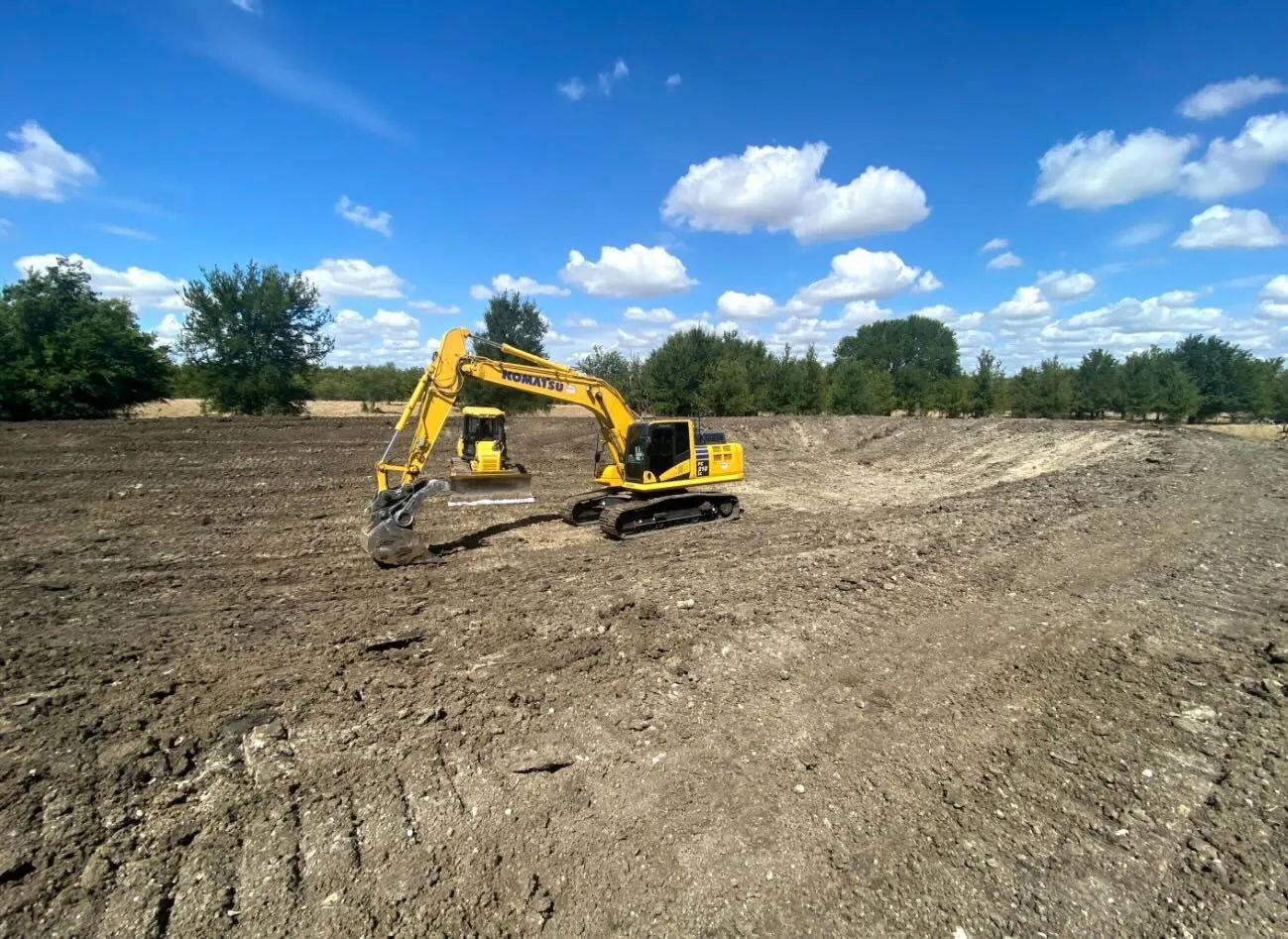

A pond can be a valuable feature on a Texas property, whether it supports livestock, irrigation, recreation, fishing, or simply adds to the landscape. But over time, ponds naturally collect sediment, organic debris, and other materials. When too much build-up occurs, the pond can become shallower and less functional.
So, how do you know when your Texas pond needs professional dredging?
Several warning signs can help property owners determine when routine pond maintenance is no longer enough and professional pond dredging may be needed.
What Is Pond Dredging?
Pond cleanout and dredging in Central Texas involves removing accumulated sediment, mud, silt, and other unwanted material from the bottom of a pond. Over the years, rainfall, erosion, runoff, and decaying vegetation can carry soil and organic material into the water, gradually reducing the pond’s usable depth.
Central Texas properties can be especially vulnerable to sediment build-up because heavy rain events and storm water runoff can move large amounts of soil into ponds. Professional pond cleanout and dredging in Central Texas can help remove this build-up, restore usable water depth, and improve the overall condition and functionality of the pond.
1. Your Pond Has Become Noticeably Shallower
One of the clearest signs of sediment build-up is a noticeable reduction in pond depth.
If an area that was once several feet deep now feels significantly shallower, sediment may have accumulated along the bottom. A shallow pond has less water storage capacity and may not perform the way it was originally designed to.
Professional dredging can remove accumulated material and help restore valuable pond capacity.
2. Mud and Sediment Are Building Up
Look around the shoreline and shallow areas of your pond. Do you see thick layers of mud, silt, or sediment?
Sediment commonly enters ponds through storm water runoff and soil erosion. Once it reaches the pond, it settles at the bottom. Over time, this build-up can take up a significant amount of water storage space.
If sediment accumulation is becoming obvious, it may be time to consider professional pond cleanout and dredging.
3. Aquatic Vegetation Is Taking Over
A healthy amount of aquatic vegetation can be beneficial, but excessive plant growth can indicate that a pond has become too shallow or nutrient-rich.
As sediment accumulates, it creates conditions where aquatic plants can establish themselves more easily. Excessive vegetation can interfere with fishing, recreation, livestock access, and the overall appearance of the pond.
Removing accumulated sediment through professional dredging may help address one of the underlying conditions contributing to excessive growth.
4. Your Pond Is Losing Water-Holding Capacity
A pond that has gradually become shallower cannot hold the same volume of water as it once did.
This can become especially noticeable during periods of drought or hot Texas weather. While evaporation and water loss can have several causes, sediment build-up can reduce the pond's available storage capacity.
If your pond does not seem to hold as much water as it used to, having the bottom evaluated can help determine whether sediment is part of the problem.
5. Fishing Conditions Have Changed
Pond owners who use their ponds for fishing may notice changes before anyone else.
Excessive sediment can reduce deeper-water habitat and change the structure of the pond. Fish may have fewer suitable areas for feeding, shelter, and reproduction.
If your pond's fishing conditions have noticeably declined, sediment build-up could be one factor worth investigating.
6. Your Pond Has Developed Large Shallow Areas
Some sediment build-up occurs gradually and may not be obvious at first. Eventually, however, large shallow sections can develop around the pond.
You may notice that more of the pond bottom is visible, especially during periods of low water. Shallow areas can also make it difficult for boats, equipment, livestock, or recreational users to access the pond.
Professional dredging can remove excess sediment and help restore more usable depth.
7. Runoff Is Carrying Soil into the Pond
Texas storms can produce significant runoff, particularly on properties with exposed soil, slopes, construction activity, or inadequate drainage.
If you regularly see muddy water entering your pond after rainfall, your property may be experiencing on-going sediment deposition.
Dredging can address sediment that has already accumulated, but property owners should also consider erosion control and drainage improvements to reduce future build-up.
Is Pond Dredging Better Than Simply Cleaning the Shoreline?
Not necessarily. Different pond problems require different solutions.
Removing fallen branches, trash, weeds, and debris from the shoreline may improve the pond's appearance, but it does not remove the sediment sitting at the bottom.
If the primary issue is accumulated mud and silt, a professional assessment can determine whether pond dredging or another type of pond restoration is appropriate.
Why Hire a Professional for Texas Pond Dredging?
Pond dredging is more involved than simply removing visible debris. Professionals can evaluate the pond's condition, identify sediment build-up, determine appropriate equipment and access requirements, and develop a plan for removing accumulated material.
Professional work can also help property owners avoid unnecessary disturbance to the pond and surrounding land.
For larger or heavily sediment ponds, proper planning is particularly important because the amount of material involved can be substantial.
How Often Does a Texas Pond Need Dredging?
There is no single schedule that works for every pond. Dredging frequency depends on factors such as pond size, watershed conditions, erosion, runoff, surrounding vegetation, rainfall, and how quickly sediment enters the water.
Some ponds may go many years before major dredging is necessary, while ponds located below heavily eroded areas may accumulate sediment much faster.
The best approach is to monitor the pond's depth and condition regularly rather than waiting until sediment becomes a major problem.
What Should You Do If You Suspect Your Pond Needs Dredging?
Start by looking for the warning signs:
- Reduced water depth
- Excessive mud or silt
- Large shallow areas
- Increased aquatic vegetation
- Reduced water storage capacity
- Changes in fishing conditions
- Heavy sediment entering after storms
A noticeable change in the pond's overall appearance
If several of these problems are present, a professional evaluation can help determine the best next step.
Restore Your Texas Pond Before Sediment Becomes a Bigger Problem
Sediment build-up is a natural process, but allowing it to continue unchecked can gradually reduce a pond's usefulness and capacity. Recognizing the warning signs early can help Texas property owners address problems before they become more difficult to manage.
If your pond has become noticeably shallower, muddy, overgrown, or less functional, professional pond cleanout and dredging may be worth considering. A proper assessment can determine how much sediment has accumulated and whether dredging is the right solution for your property.
For property owners looking for professional pond restoration solutions in Texas, Texas Grading provides pond cleanout and dredging services designed to help restore ponds affected by sediment and build-up.
Final Words
A Texas pond does not usually become a problem overnight. Gradual sediment build up, shrinking water depth, excessive vegetation, and increasing shallow areas can all be signs that your pond needs more than routine maintenance. Recognizing these warning signs early can help protect the pond’s capacity, appearance, and overall usefulness.
If your pond has accumulated significant mud and sediment, professional pond dredging can help remove the build-up and restore valuable water depth. Texas Grading can evaluate your pond’s condition and provide professional pond cleanout and dredging services to help get your property’s pond back in better shape.

























Sign in to leave a comment.