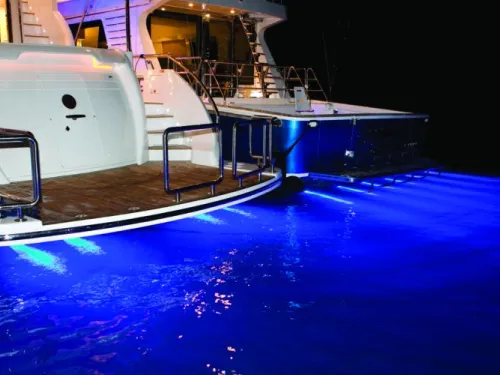

A flat battery after an evening on the water is rarely caused by one thing alone. Boat Lighting can add to the load, of course, but tired batteries, poor connections and oversized expectations usually share the blame. The trick is understanding what your system is actually drawing before replacing parts.
How Much Power Is Your Lighting Circuit Really Using?
Before changing cables or batteries, check the numbers. Boat Lighting is often blamed first, yet several low-draw LED fittings may use less power than one neglected accessory circuit. This is where it usually goes sideways: owners count lights but ignore operating hours and other loads.
- Check each light's rated wattage or current draw.
- Add the loads likely to run together.
- Consider how long they stay switched on.
- Check whether the battery is also supporting electronics.
A simple load calculation gives you a starting point. If the expected draw looks modest but the battery still drops quickly, investigate battery condition, charging and hidden loads instead.
Are Your Cables and Connections Wasting Power?
If one chooses Marine Lighting in Australia, efficiency cannot be limited to the lamp only. Voltage drop may occur due to long cable lengths, too small conductors, and corroded terminals, especially in older ships where various accessories have been installed gradually.
One should look for:
- Corroded terminals in green or white color.
- Damaged insulation or loose connections.
- Dimming lights when other equipment starts.
- Warm cables or repeated fuse failures.
Poor wiring does not simply make lighting perform badly. It can point to a bigger electrical issue.
Should Lighting Share Your Starting Battery?
Buying Boat Parts Online Australia makes upgrades convenient, but adding accessories without reviewing the whole power setup can leave you short of starting reserve. For boats with heavier accessory use, separating essential starting capacity from house loads may make more sense.
Consider:
- How often you run lights at anchor.
- Whether electronics share the same battery.
- Battery age and usable capacity.
- Whether professional advice is needed for system changes.
FAQ
What should you check before making a decision?
Check total load, battery condition, charging performance and existing wiring first.
How can you avoid common problems?
Use protected circuits, sound connections and suitable marine-grade components.
What is the most important factor to consider?
Calculate actual lighting draw before changing batteries or wiring.
Conclusion
The quickest way to reduce Boat Lighting battery drain is to look beyond the lights themselves. Calculate the load, inspect the wiring, check battery health and protect your starting reserve. Small faults often hide in ordinary places. Contact us to discuss the right solution for your specific requirements.


























Sign in to leave a comment.