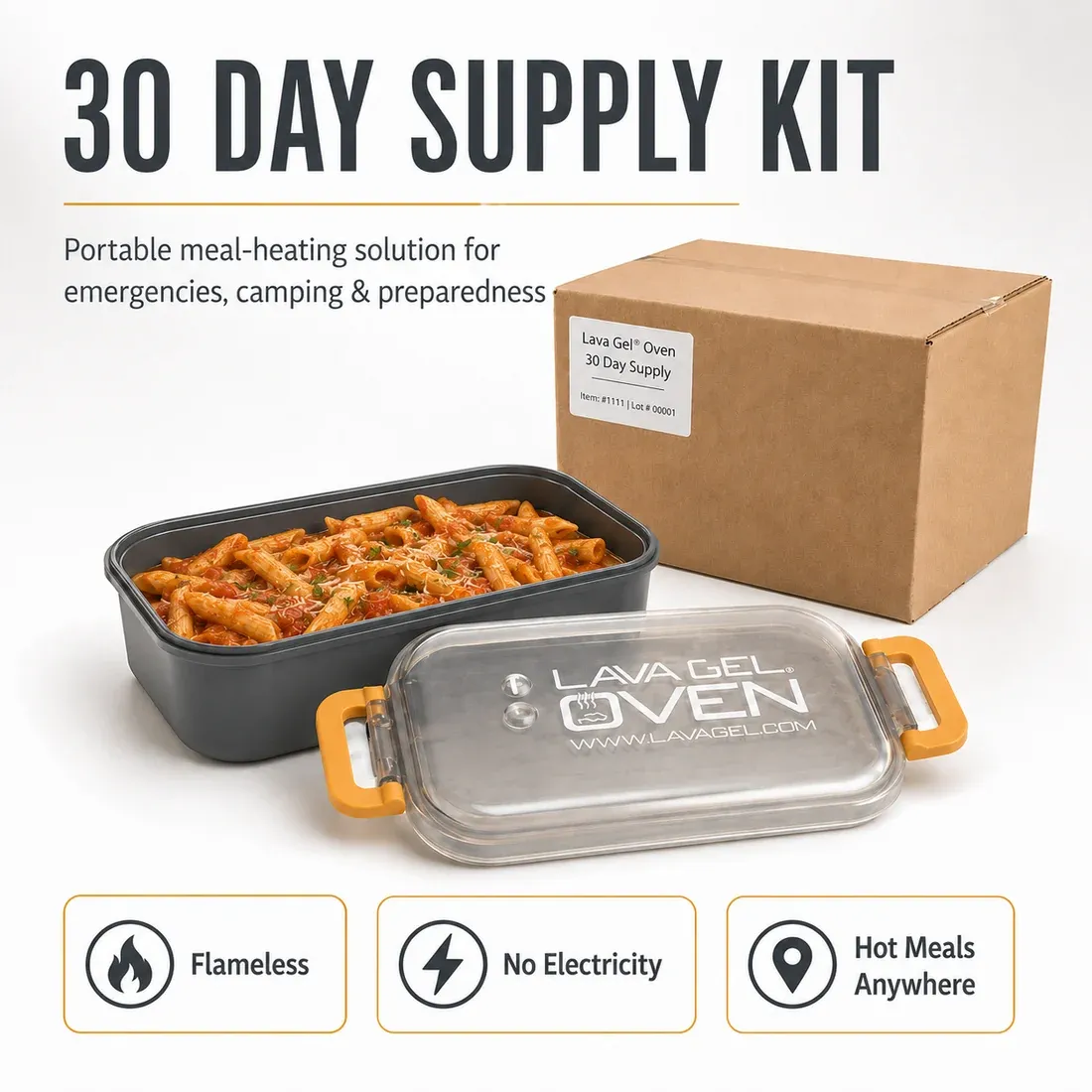

Not every camping trip goes as planned. Sometimes the weather turns, the fuel runs low, or the campsite rules don't allow an open flame. A food heater for camping gives outdoor lovers a backup plan for exactly these moments. It warms meals without fire or electricity, so dinner still happens even when the usual cooking setup falls through.
When Regular Camp Cooking Hits a Wall
Cooking outdoors depends on a lot of things going right at once. Fuel needs to last, weather needs to cooperate, and rules at the campsite need to allow a flame in the first place.
- Fuel shortages: canisters run dry faster than expected on longer trips.
- Weather trouble: rain and wind make stoves and fires unreliable at the worst times.
- Site restrictions: some parks and campgrounds ban open flames during dry months.
- Limited daylight: setting up a fire pit eats into hours better spent hiking or fishing.
What Makes Flameless Heating a Smart Backup
A flameless option solves problems that regular cooking gear can't always handle on its own. It skips the parts of camp cooking that cause the most trouble.
No Fire Means Fewer Worries
Without an open flame, there's nothing to put out, nothing to watch over, and no smoke to draw attention in the backcountry. That alone removes a big chunk of the usual camp cooking stress.
Lightweight and Easy to Pack
A compact unit takes up far less room than a stove, fuel bottles, and cookware combined. Backpackers and weekend campers both benefit from the extra space saved in a pack or trunk.
Works in Rough Conditions
Rain, wind, and cold don't stop this kind of gear the way they stop a stove or campfire. Meals still come out warm, no matter what the sky is doing outside.
Simple for Anyone to Use
There's no learning curve involved, no dials to figure out, and no priming required. New campers pick it up just as fast as seasoned ones.
Camp Situations That Call for a Backup Plan
- Fire-ban trips: full meals still happen even when open flames are off the table.
- Storm-hit campsites: dinner gets made without hunting for dry wood in the rain.
- Early departures: a quick warm breakfast before hitting the trail at sunrise.
- Group trips: multiple people fed at once without a single stove tying up the whole camp.
Bringing This Convenience Home During Outages
Camping isn't the only place conventional cooking falls short. A food warmer for power outage situations works the same way at home, giving families a reliable option when the stove and microwave both go dark.
Storms and grid failures don't wait for a convenient time, and keeping a flameless option in the kitchen means dinner still gets served. The same gear that handles a rainy campsite handles a blackout just as well.
Stocking Up the Right Way
Running out of heat charges partway through a trip, or partway through an outage, defeats the whole purpose of having a backup plan ready.
Counting for Trip Length
Planning for roughly two charges per person per day keeps most camping trips well covered. Longer trips or bigger groups need a bigger stockpile from the start.
Keeping Charges Dry
Moisture damages unused heat pads faster than most people expect. Storing extras in a dry bag or sealed container keeps them ready whenever needed.
Restocking Before You Need It
Waiting until supplies run low leads to scrambling at the worst possible time. Checking stock before every trip and every storm season keeps things simple.
Picking a Kit That Fits Your Situation
- Solo campers: a small starter kit covers a weekend trip without extra weight.
- Larger families: bigger kits with more charges handle both trips and emergencies at home.
- Frequent outdoor trips: bulk charge packs cut down on constant reordering.
- Reliable client services: attentive, responsive client services make restocking painless whenever supplies run short.
Everyday Habits Worth Building
A food heater for camping stays dependable when a few simple habits become routine. Testing the unit once before a big trip removes any guesswork once you're actually out in the field.
Rotating older heat charges to the front keeps stock fresh and easy to track. Storing everything away from direct heat protects the pads over the long run. Rinsing the tray after each use keeps the gear ready without extra scrubbing later on.
Final Thought
Conventional cooking doesn't always hold up, whether the trouble comes from bad weather at camp or a power outage back home. Keeping a food warmer for power outage situations and outdoor trips both covered means one less thing to worry about when plans change. Simple to use and easy to pack, this kind of backup keeps a hot meal within reach no matter what gets in the way.























Sign in to leave a comment.