

Railway networks depend on reliable signalling and point systems to support safe and efficient train operations. Point machines play an important role by moving and securing railway points into the required position. Because these systems operate in demanding environments, regular monitoring and maintenance are important for identifying changes in performance before they develop into larger operational problems.
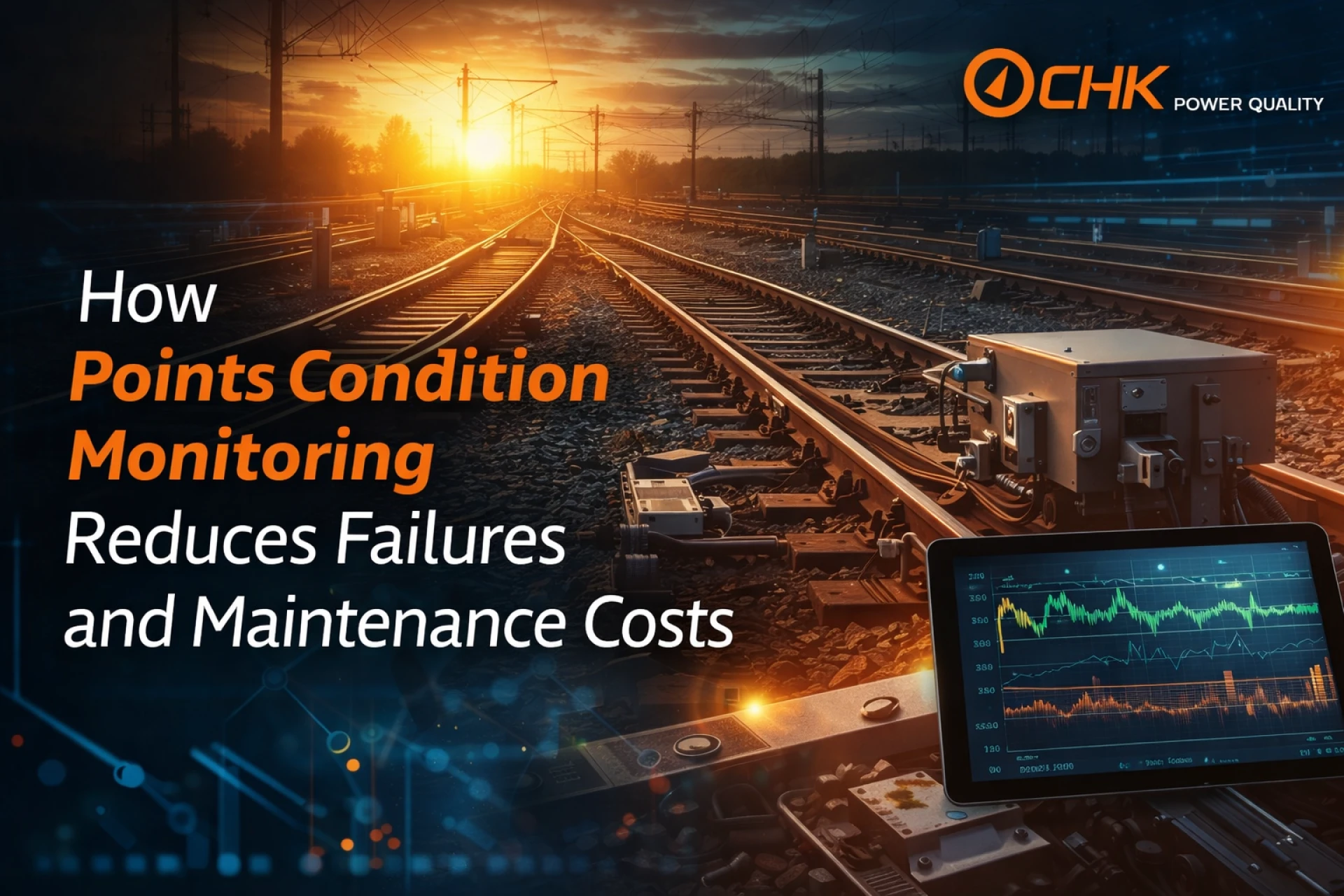
A pneumatic point condition monitor provides a way to observe the operating behaviour of pneumatic railway points and collect useful information for maintenance teams. By monitoring relevant operating parameters, railway operators can gain better visibility into equipment condition and make maintenance decisions based on recorded data.
What Is a Pneumatic Point Condition Monitor?
A pneumatic point condition monitor is a monitoring solution designed to assess the operating condition of pneumatic railway point equipment. Instead of relying only on periodic inspections, condition monitoring can provide information about how equipment performs during operation.
Depending on the monitoring system, data may include operating pressure, movement characteristics, timing, or other parameters associated with the point machine. Changes in these measurements can help maintenance teams identify equipment behaviour that may require further investigation.
Why Is Condition Monitoring Important for Railway Points?
Railway infrastructure operates continuously, and unexpected equipment issues can result in service disruptions and additional maintenance requirements. Traditional maintenance approaches often depend on scheduled inspections, but some developing problems may occur between inspections.
Condition monitoring can provide a more continuous view of equipment performance. Historical data can also help maintenance teams compare current operating behaviour with previous measurements.
This can support:
- Earlier identification of unusual operating conditions
- Better maintenance planning
- Reduced dependence on reactive maintenance
- Improved equipment visibility
- More informed troubleshooting
- Better use of maintenance resources
How Can Monitoring Improve Railway Maintenance?
One of the main advantages of condition monitoring is the ability to identify changes in equipment behaviour. For example, if a pneumatic point machine begins operating differently from its normal pattern, recorded data can alert maintenance teams that further inspection may be appropriate.
This does not necessarily mean that every change indicates a fault. Instead, monitoring provides useful information that engineers can combine with inspections and other maintenance data when assessing equipment condition.
Supporting Reliable Electrical Systems
Railway point equipment is part of a wider infrastructure that depends on reliable electrical and control systems. Monitoring electrical conditions can therefore complement mechanical and pneumatic condition monitoring.
Electrical measurements can help identify issues such as voltage variations, power interruptions, or unusual energy consumption. This broader approach can give maintenance teams a better understanding of the conditions affecting railway equipment.
For facilities and infrastructure operators looking to monitor electricity usage, an energy monitor Australia solution can provide useful information about energy consumption and electrical performance. Such monitoring can help identify changes in energy usage and support more informed maintenance and energy-management decisions.
The Importance of Backup Power
Railway infrastructure may also require dependable backup and changeover arrangements to maintain electrical supply during power interruptions. A suitable emergency changeover unit Australia solution can help transfer an electrical load between available power sources when required.
Reliable changeover equipment can be particularly important for systems where maintaining power availability is essential to operational continuity. The appropriate equipment depends on the electrical installation, load requirements, and applicable standards.
Combining Condition Monitoring With Electrical Monitoring
A comprehensive maintenance strategy can involve multiple types of monitoring. A pneumatic point condition monitor focuses on the operating characteristics of railway point equipment, while electrical monitoring can provide information about the power systems supporting that equipment.
Combining these sources of information can help maintenance teams investigate problems more effectively. For example, an unusual point-machine event could be reviewed alongside electrical data to determine whether an electrical disturbance occurred at a similar time.
This approach can help engineers move beyond isolated measurements and develop a more complete picture of system performance.
Moving Towards Data-Driven Railway Maintenance
Modern condition monitoring supports a shift from purely scheduled maintenance towards more data-informed maintenance strategies. Rather than relying exclusively on fixed inspection intervals, operators can use historical operating information to identify changes and determine where additional attention may be required.
The quality of the collected data is important. Monitoring equipment should be selected according to the characteristics of the railway system, environmental conditions, measurement requirements, and maintenance objectives.
Supporting Railway and Electrical Monitoring With CHK Power Quality
CHK Power Quality provides power quality and electrical monitoring solutions for applications where accurate electrical data is important. Monitoring technologies can support the assessment of electrical performance, energy consumption, and equipment behaviour across different environments.
For railway infrastructure and other specialised applications, selecting appropriate monitoring equipment can help organisations collect useful information and support effective maintenance planning.
Conclusion
A pneumatic point condition monitor can provide valuable insight into the operating behaviour of railway point equipment. By recording relevant performance data, it can help maintenance teams identify changes, investigate potential issues, and make better-informed maintenance decisions.
Electrical monitoring can complement this approach by providing information about the power systems supporting railway infrastructure. Solutions such as an energy monitor Australia system and an emergency changeover unit Australia can contribute to improved visibility and electrical supply management when appropriately designed for the application.
As railway networks continue to adopt data-driven maintenance practices, combining equipment condition monitoring with reliable electrical monitoring can provide a stronger foundation for maintaining infrastructure performance and operational reliability.























Sign in to leave a comment.