

When cold mountain winds sweep across the Teton Basin, drafty gaps in your building structure waste massive amounts of conditioned heat. In simple terms, air sealing reduces the uncontrolled flow of indoor air escaping outside while blocking freezing drafts from entering your living spaces.

By eliminating these invisible gaps, your heating equipment runs less frequently to maintain steady temperatures. Years of field experience across eastern Idaho show that tightening a home envelope provides immediate comfort improvements while cutting monthly utility expenses substantially.
This guide explains how sealing gaps protects your heating budget, improves indoor comfort during severe Idaho winters, and optimizes overall building performance.
Understanding How Air Leakage Drives Up Energy Bills
Uncontrolled air movement accounts for up to 40 percent of the total energy used to heat and cool an average American home. In cold climate regions like Driggs and throughout Idaho, where winter temperatures can plunge below zero degrees, this issue becomes even more pronounced. Warm indoor air naturally rises toward your attic through ceiling penetrations, recessed lights, and plumbing chases. This movement creates a vacuum effect on lower levels that draws cold outside air through foundation cracks, electrical outlets, and exterior baseboards.
When you focus on sealing air leaks in Driggs, ID, you can interrupt this continuous cycle known as the stack effect. Without proper barriers, your furnace or heat pump may work harder to replace the warm air that escapes through the roof. This continuous operation can increase energy use, place additional strain on mechanical systems, and contribute to higher monthly utility bills.
- Conditioned air escapes rapidly through unsealed ceiling fixtures and attic access doors.
- Cold exterior air enters through crawlspace vents, rim joists, and floor joints.
- HVAC systems may run longer to combat constant temperature fluctuations.
How Air Sealing Reduces Heating and Cooling Expenses
To understand the financial return on your investment, homeowners often ask how air sealing reduces specific household expenses. The primary savings come from lowering the workload placed on your heating and cooling equipment. When your building retains thermal energy, heating systems reach target thermostat settings faster and stay idle longer.
Data from building science tests shows that comprehensive envelope sealing can reduce annual space heating demand by 15 to 25 percent. In regions with long heating seasons like Idaho, these percentage drops turn into significant dollar savings every winter month.
| Air Leakage Source | Typical Percentage of Total Home Air Leakage | Impact on Heating Demand | Recommended Treatment Method |
|---|---|---|---|
| Floors, Walls, and Ceilings | 31% | High heat loss through conduction and convection | Expanding spray foam and specialty caulking |
| Ductwork and Ventilation | 15% | High loss of delivered conditioned air | Mastic paste and foil-backed butyl tape |
| Fireplaces and Chimneys | 14% | Continuous draft loss through flue dampers | Chimney balloons and tight-fitting dampers |
| Plumbing Penetrations | 13% | Moderate draft movement through subfloors | Expanding polyurethane foam sealant |
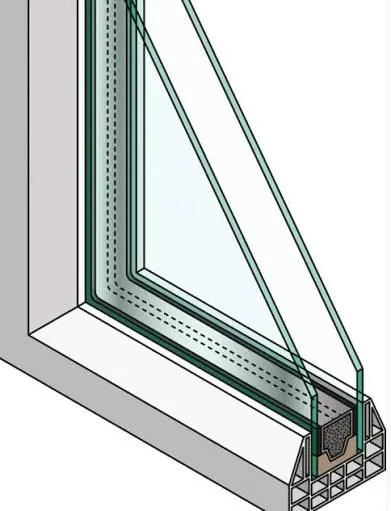
| Doors and Windows | 11% | Noticeable localized drafts and cold zones | High-grade weatherstripping and door sweeps |
Bonus Tip: Focus on the attic floor first. Sealing attic bypasses produces up to three times greater energy savings than caulking around windows and doors on the main living floor.

Critical Areas in Idaho Homes That Require Treatment
Properties in Driggs and higher elevation zones throughout Idaho face severe freeze-thaw cycles and heavy snow loads. These climatic factors place intense stress on building joints. Addressing key problem areas ensures your building remains protected throughout the year.
Attic Floor Penetrations and Top Plates
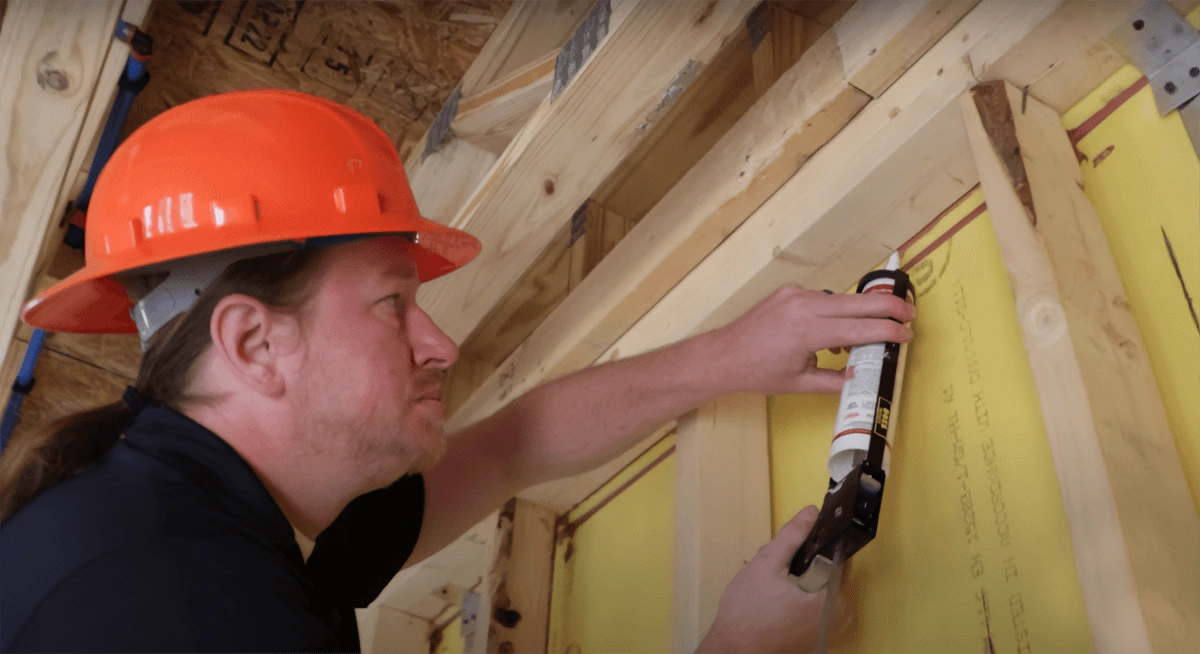
The top floor of any home contains dozens of hidden openings. Every interior wall has a wooden top plate with drilled holes for electrical wiring and plumbing vents. Applying expandable sealants along these wall plates stops warm indoor air from leaking into the cold attic space, which also prevents damaging roof ice dams.
Rim Joists and Basement Foundations
Rim joists sit directly on top of your foundation wall around the entire perimeter of the building. Because this junction involves different construction materials expanding at different rates, significant gaps form over time. Properly sealing air leaks along the rim joist keeps frigid ground-level air from chilling your basement and main-level flooring.
Ductwork Running Through Unconditioned Spaces
Duct networks passing through unheated attics, crawlspaces, or garages leak heated air directly into unconditioned zones. Sealing sheet metal connections ensures all paid-for heat arrives directly inside your living areas instead of warming empty utility spaces.
Bonus Tip: Before applying sealants to basement rim joists, inspect the sill plate for moisture intrusion to ensure long-lasting adhesion of materials.
Factors to Review Before Starting an Envelope Project
Completing home weatherization requires a clear plan tailored to your specific property. Reviewing several key items in advance helps you maximize returns and avoid unintended building complications.
- Existing Insulation Quality: Adding fresh insulation over unsealed air gaps reduces its effectiveness. Air currents moving through standard fiberglass batts degrade their insulation rating by up to 50 percent.
- Indoor Ventilation Requirements: Modern homes need controlled fresh air intake. Once an envelope is tightened, mechanical ventilation systems such as heat recovery ventilators help maintain indoor air quality without wasting heat.
- Combustion Safety: Natural gas, propane, and wood-burning appliances require proper drafting. A tight envelope must be checked to prevent backdrafting of exhaust fumes into living spaces.
- Building Age and Design: Older timber-frame cabins and historical Idaho homes require flexible sealing materials that accommodate natural structural movement over changing seasons.
Because air sealing reduces overall building heat loss permanently, combining it with updated insulation creates a complete thermal barrier that lasts for decades.
Why Do Local Climate Conditions Make Sealing Essential Across Idaho?
Idaho features diverse climate zones, ranging from cold high-altitude mountain valleys in Teton County to semi-arid climates in the Treasure Valley. In Driggs, the local heating degree days often surpass 9,000 annually. This extreme cold means heating systems operate for eight to nine months every year.
When outdoor temperatures drop below zero, the indoor-to-outdoor temperature difference increases air pressure differentials inside the home. High pressure forces warm air out of top-floor cracks while low pressure sucks freezing air into bottom floors.
By taking time to address sealing home air leaks, you stabilize these internal pressure zones. Your home stays uniformly warm from floor to ceiling, eliminating the common cold spots around baseboards and exterior walls.
Bonus Tip: Install insulated outlet gaskets behind all exterior wall switches and electrical receptacles for an easy, low-cost reduction in drafts.
Long-Term Financial and Property Benefits
Lowering utility bills is the primary objective for most property owners, but building envelope improvements deliver several additional advantages over time:
- Extended Equipment Lifespan: Furnaces and heat pumps run fewer hours per day, reducing mechanical wear and delaying costly system replacements.
- Moisture and Mold Control: Warm air carries moisture. Sealing cracks prevents warm, humid indoor air from condensing inside cold wall cavities and attic spaces.
- Dust and Pest Exclusion: Blocking structural gaps stops outdoor dust, pollen, and pests from entering living quarters.
- Higher Resale Value: Energy-efficient homes with verified low operating costs command higher market appeal among prospective buyers.
Investing in high-performance materials guarantees that air sealing reduces monthly overhead while protecting the structural framing of your property for years to come.
Summary of Best Practices for Energy Efficiency
Maintaining an energy-efficient home in cold regions requires a proactive approach. Sealing building cracks and bypasses delivers immediate results by keeping conditioned heat inside and blocking freezing external drafts.
Evaluate your building layout, identify hidden bypasses in attics and crawlspaces, and pair sealing measures with adequate insulation. Taking these steps stabilizes indoor temperatures, reduces stress on mechanical systems, and provides lasting control over winter utility bills.
Connect with Regional Building Envelope Experts for a Free Project Assessment
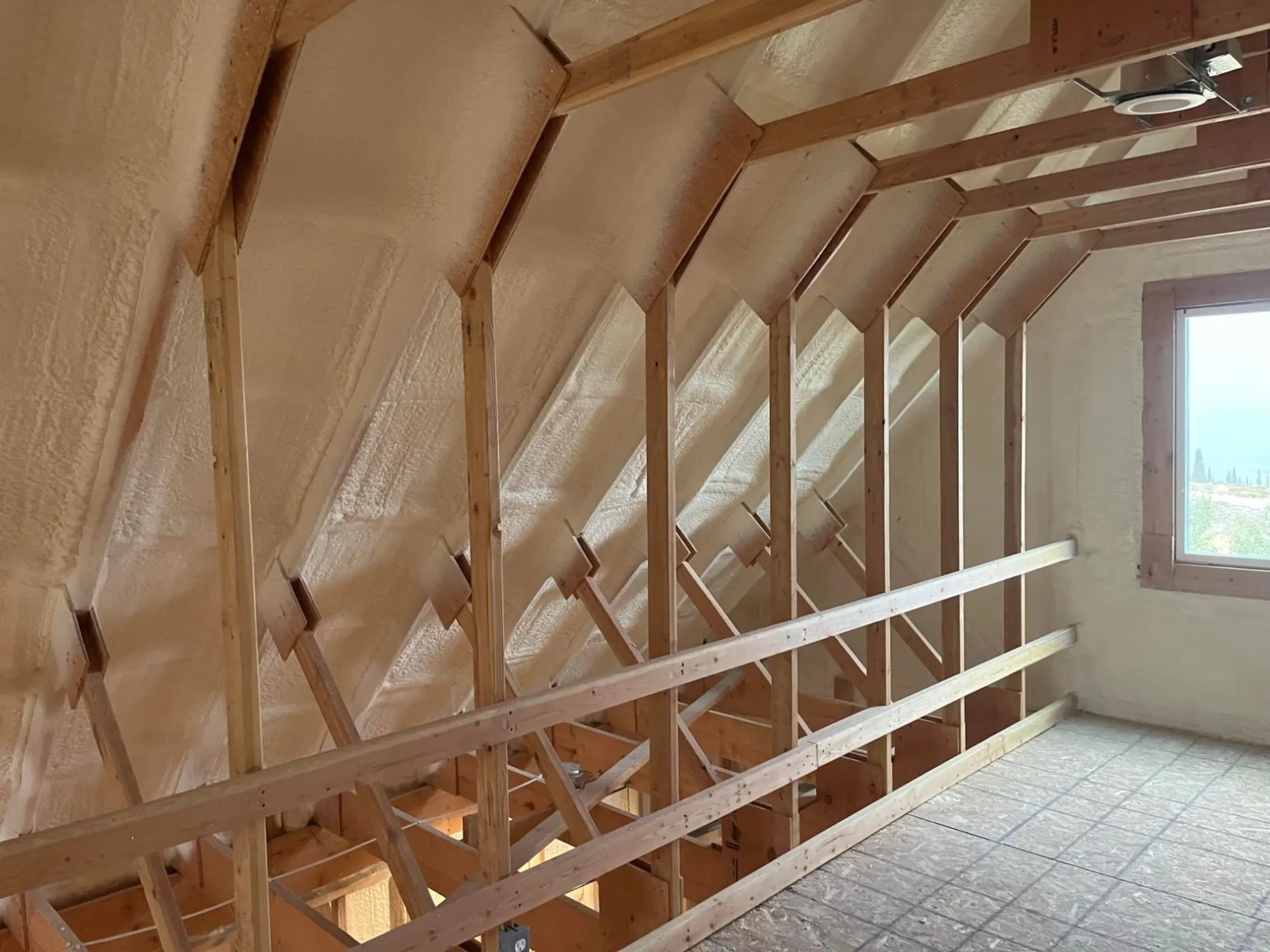
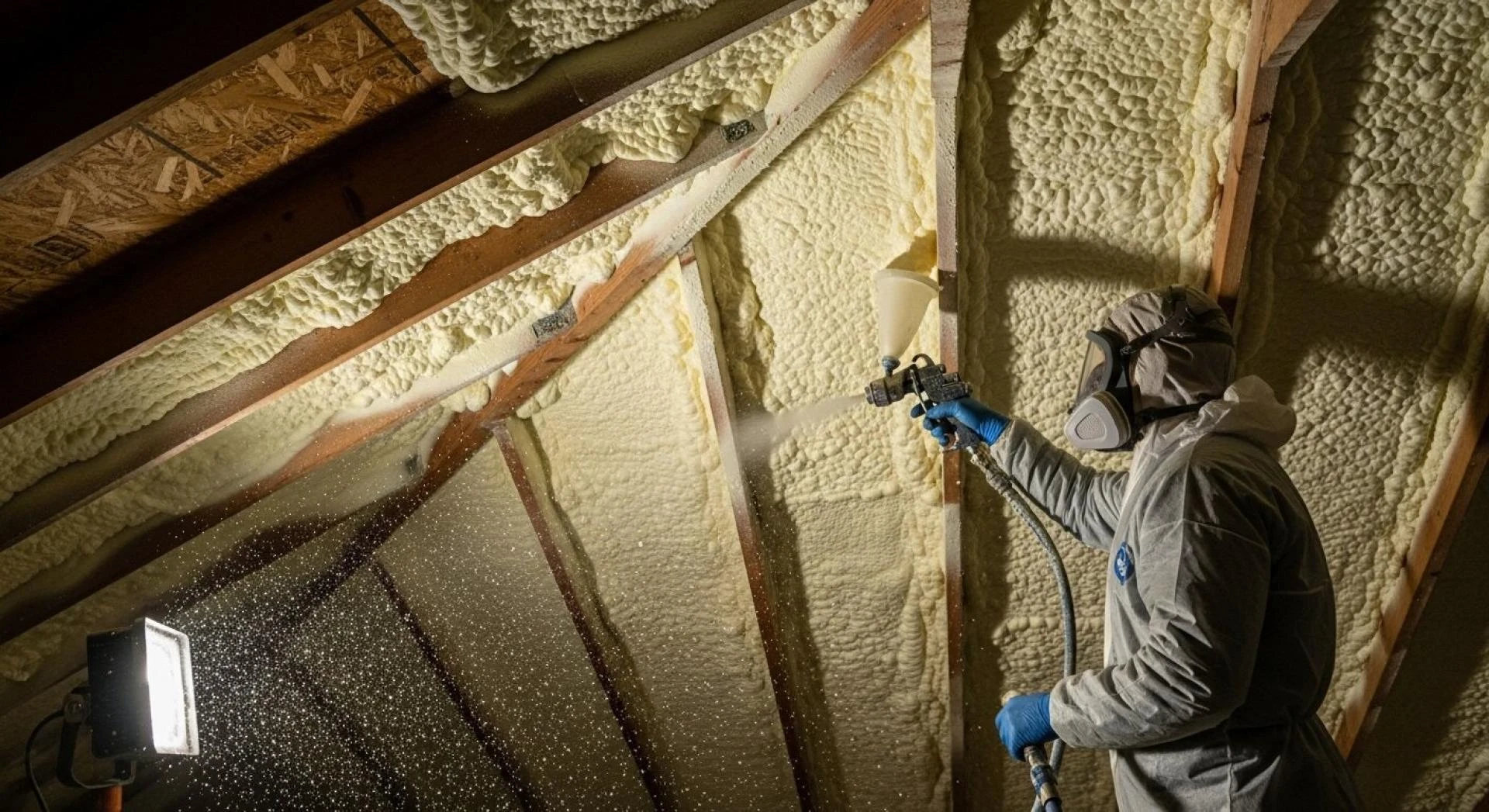
High Country Solutions provides professional weatherization, closed-cell spray foam, open-cell spray foam, and air sealing services tailored to the unique climate of Driggs and the surrounding Idaho communities. Their team helps property owners identify hidden energy drains and install long-lasting thermal barriers that reduce heating expenses. Contact their office today at (307) 248-9063 or by email at [email protected] to request your free quote.
Common Questions About Home Air Sealing
How much money can air sealing save on annual heating bills?
Homeowners typically save between 15 and 25 percent on annual heating and cooling costs by eliminating envelope leaks and sealing attic bypasses.
What is the difference between insulation and air sealing?
Insulation slows heat conduction through building materials, while air sealing physically blocks the movement of air through gaps, cracks, and structural seams.
Can a home be sealed too tightly?
Buildings do not breathe through cracks; they simply waste energy. Controlled mechanical ventilation systems provide balanced fresh air without letting unconditioned drafts into the home.
How do technicians locate hidden air leaks?
Technicians perform blower door tests paired with thermal imaging cameras to measure building depressurization and pinpoint exact leakage locations in walls and ceilings.
How long do professional air sealing materials last?
High-grade polyurethane foams, elastomeric caulks, and commercial mastics maintain their flexibility and bonding strength for several decades without degrading.
























Sign in to leave a comment.