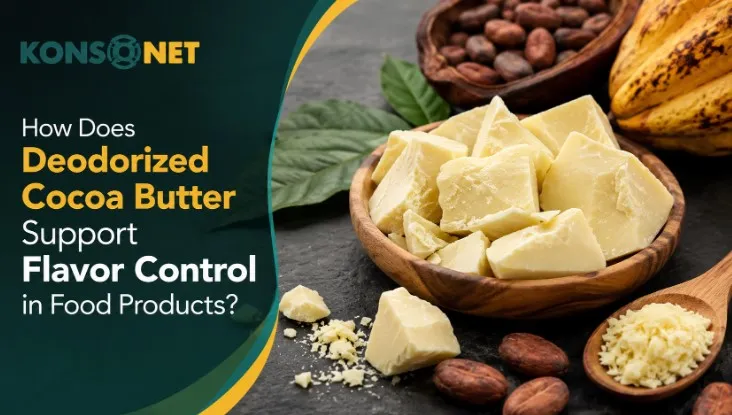

Food manufacturers constantly search for ingredients that improve texture, stability, and consistency without interfering with the intended taste of the final product. One ingredient that plays a significant role in achieving this balance is deodorized cocoa butter. Widely used across the confectionery, bakery, dairy, and specialty food sectors, deodorized cocoa butter offers the functional benefits of traditional cocoa butter while minimizing its natural aroma and flavor.
This unique characteristic makes it a valuable ingredient for food producers seeking greater control over flavor profiles. Instead of contributing its own cocoa notes, deodorized cocoa butter allows other ingredients to remain the primary sensory focus. As consumer demand for high-quality and precisely formulated food products continues to grow, understanding the role of deodorized cocoa butter has become increasingly important.
This article explores how deodorized cocoa butter supports flavor control in food products, its manufacturing process, key benefits, industrial applications, and why it remains an essential ingredient in modern food production.
What Is Deodorized Cocoa Butter?
Deodorized cocoa butter is a purified form of cocoa butter that undergoes a specialized deodorization process to remove much of its naturally occurring aroma and flavor compounds. The result is a neutral fat that retains the desirable physical and functional characteristics of cocoa butter while contributing minimal taste or scent.
Cocoa butter itself is a natural vegetable fat extracted from cocoa beans. It is known for its smooth texture, excellent melting properties, and ability to provide a rich mouthfeel. While standard cocoa butter contains subtle chocolate and cocoa aromas, deodorized cocoa butter is processed to reduce these sensory attributes.
Food manufacturers often select deodorized cocoa butter when they need the structural benefits of cocoa butter without introducing additional flavor notes into the formulation.
Why Flavor Control Matters in Food Manufacturing
Flavor is one of the most important factors influencing consumer satisfaction. Even slight changes in aroma or taste can alter how a product is perceived.
Modern food products often contain carefully balanced flavor systems developed through extensive research and testing. Ingredients with strong or distinctive tastes can disrupt these formulations and create inconsistencies between production batches.
Flavor control helps manufacturers:
- Maintain product consistency
- Preserve delicate flavor profiles
- Improve consumer experience
- Support brand quality standards
- Enhance ingredient compatibility
In products where subtle flavors are critical, even a mild cocoa aroma may be undesirable. This is where deodorized cocoa butter becomes particularly valuable.
How Deodorized Cocoa Butter Is Produced
The deodorization process occurs after cocoa butter extraction and refining. During production, cocoa butter is subjected to controlled steam treatment under vacuum conditions.
This process removes volatile compounds responsible for much of the natural cocoa aroma and flavor.
The objective is not to alter the fat structure but to reduce sensory characteristics while preserving important functional properties such as:
- Melting behavior
- Stability
- Texture
- Shelf life
- Crystallization performance
The resulting ingredient remains highly versatile and suitable for a wide range of food applications.
How Deodorized Cocoa Butter Supports Flavor Control
Creates a Neutral Fat Base
One of the biggest advantages of deodorized cocoa butter is its neutrality.
Many food formulations require fats for texture, structure, and processing performance. However, some fats contribute their own flavors, which can interfere with the intended taste profile.
Deodorized cocoa butter provides the necessary fat functionality while remaining largely flavor-neutral. This allows food developers to create products where added flavors take center stage.
For example, fruit-flavored chocolates, vanilla-based fillings, and premium dairy products can benefit from a neutral fat source that does not compete with their core flavors.
Preserves Delicate Ingredients
Certain ingredients possess subtle aromatic characteristics that can easily be overshadowed by stronger flavors.
Examples include:
- Vanilla extracts
- Citrus oils
- Floral flavorings
- Herbal infusions
- Specialty dairy ingredients
Using deodorized cocoa butter helps preserve the authenticity and intensity of these delicate ingredients. Because the fat contributes little sensory interference, the desired flavor remains more noticeable to consumers.
Supports Accurate Flavor Development
Food scientists invest significant effort in creating specific flavor profiles.
A neutral fat base allows flavor specialists to evaluate ingredients more accurately during product development. It becomes easier to identify, adjust, and fine-tune flavor systems when background cocoa notes are absent.
This level of control is especially important in premium and specialty products where precision matters.
Enhances Flavor Consistency Across Batches
Consistency is a major priority in industrial food manufacturing.
Variations in raw materials can sometimes affect flavor outcomes. By using deodorized cocoa butter, manufacturers reduce the impact of naturally occurring cocoa aroma fluctuations.
This contributes to greater product uniformity across production runs, helping maintain consumer trust and brand reliability.
Key Functional Benefits Beyond Flavor Control
Although flavor neutrality is a major advantage, deodorized cocoa butter also provides several important functional benefits.
Excellent Melting Characteristics
Cocoa butter is famous for its unique melting profile.
It remains solid at room temperature yet melts smoothly near body temperature. This creates a pleasant mouthfeel that consumers associate with premium chocolate and confectionery products.
Deodorization does not significantly affect these melting properties.
Improved Texture and Mouthfeel
Texture plays a crucial role in overall eating experience.
Deodorized cocoa butter contributes:
- Smoothness
- Creaminess
- Richness
- Luxurious mouthfeel
These qualities enhance product quality without introducing unwanted flavor elements.
High Oxidative Stability
Compared with some vegetable oils, cocoa butter offers relatively good oxidative stability.
This helps support product shelf life and maintain sensory quality over time. Reduced oxidation also helps preserve intended flavors throughout storage.
Reliable Crystallization Properties
Proper crystallization is essential in chocolate and confectionery manufacturing.
Deodorized cocoa butter maintains the same crystal-forming capabilities as conventional cocoa butter, supporting attractive appearance, snap, and structural stability.
Common Food Applications of Deodorized Cocoa Butter
Chocolate and Confectionery Products
Although cocoa butter is naturally associated with chocolate, deodorized cocoa butter is also valuable in products where manufacturers want greater flavor flexibility.
It is commonly used in:
- White chocolate
- Compound coatings
- Filled chocolates
- Premium confectionery products
The neutral profile allows flavorings such as vanilla, fruit, caramel, coffee, and nut extracts to remain prominent.
Bakery and Pastry Applications
In bakery products, deodorized cocoa butter can improve texture while minimizing flavor interference.
Applications include:
- Premium pastries
- Cream fillings
- Frostings
- Specialty biscuits
- Dessert coatings
Its smooth texture and stability contribute to product quality without altering intended taste profiles.
Dairy Products
Many dairy products rely on delicate flavor balance.
Deodorized cocoa butter is often incorporated into:
- Ice cream formulations
- Dairy desserts
- Flavored milk products
- Premium cream-based fillings
Its neutral nature supports clean flavor delivery while enhancing richness.
Plant-Based Food Products
The growing plant-based food sector increasingly uses deodorized cocoa butter.
Manufacturers appreciate its ability to provide creamy texture and appealing mouthfeel while allowing plant-derived flavors to remain dominant.
Applications include vegan desserts, plant-based confectionery, and dairy alternatives.
Nutritional and Functional Foods
Functional foods frequently contain vitamins, minerals, botanical extracts, and specialty ingredients with carefully engineered flavor systems.
Deodorized cocoa butter helps support these formulations by providing texture and stability without masking active ingredient flavors.
The Role of Deodorized Cocoa Butter in Premium Product Development
Consumers increasingly expect sophisticated flavors and premium sensory experiences.
As food innovation advances, manufacturers are developing products featuring unique flavor combinations such as:
- Exotic fruits
- Botanical extracts
- Natural spices
- Gourmet vanilla varieties
- Specialty dairy ingredients
These complex formulations require precise flavor management.
Deodorized cocoa butter provides formulators with greater freedom to experiment while maintaining sensory clarity. Because the fat contributes minimal flavor influence, developers can create cleaner and more distinctive taste experiences.
Sustainability and Ingredient Quality Considerations
Ingredient sourcing has become an important consideration for food manufacturers worldwide.
High-quality deodorized cocoa butter should be sourced from trusted suppliers with strong quality assurance systems and transparent supply chains.
Businesses seeking reliable ingredient solutions often work with experienced suppliers such as Konsonetas. Through its website, Konsonetas, the company provides a range of food industry ingredients, including cocoa-based products that support modern manufacturing requirements.
Selecting high-quality cocoa butter helps ensure consistent performance, product safety, and manufacturing efficiency.
How Food Manufacturers Choose the Right Deodorized Cocoa Butter
Not all applications require identical ingredient specifications.
Manufacturers typically evaluate factors such as:
Purity and Quality Standards
High-purity cocoa butter supports consistent processing performance and predictable sensory results.
Flavor Neutrality
The degree of deodorization should align with product requirements. Some applications require near-complete flavor neutrality, while others may tolerate minimal cocoa notes.
Melting Profile
Different products may benefit from specific melting characteristics depending on processing and consumption conditions.
Regulatory Compliance
Food manufacturers must ensure ingredients meet applicable safety and quality regulations in their target markets.
Working with reputable suppliers helps support these requirements.
Future Trends in Flavor Control and Cocoa Butter Usage
Consumer preferences continue to evolve toward cleaner formulations, premium sensory experiences, and more sophisticated flavor combinations.
As a result, demand for functional ingredients that support flavor precision is expected to remain strong.
Several trends are influencing the future use of deodorized cocoa butter:
- Growth in premium confectionery
- Expansion of plant-based foods
- Increased demand for flavor innovation
- Focus on ingredient transparency
- Development of specialty dairy alternatives
These trends highlight the continuing importance of neutral, high-performance ingredients in food manufacturing.
Conclusion
Deodorized cocoa butter plays a critical role in modern food production by providing manufacturers with greater control over flavor development and consistency. Through the removal of much of its natural cocoa aroma and taste, it serves as a neutral fat base that supports delicate flavor systems while preserving the valuable functional characteristics of traditional cocoa butter.
Its ability to enhance texture, improve mouthfeel, maintain stability, and support accurate flavor expression makes it a preferred ingredient across confectionery, bakery, dairy, plant-based, and specialty food applications. As consumer expectations for premium quality and distinctive flavors continue to grow, deodorized cocoa butter remains an essential tool for food manufacturers seeking precision and consistency.
Businesses looking to explore high-quality cocoa ingredients and reliable supply solutions can learn more through Konsonetas at konsonet.eu.
Frequently Asked Questions
1. What is deodorized cocoa butter used for?
Deodorized cocoa butter is used in chocolate, confectionery, bakery, dairy, plant-based, and specialty food products where manufacturers need the functional benefits of cocoa butter without strong cocoa flavor or aroma.
2. Does deodorized cocoa butter taste like chocolate?
It has significantly reduced cocoa flavor and aroma compared with regular cocoa butter. This makes it suitable for products requiring flavor neutrality.
3. How does deodorized cocoa butter improve flavor control?
By minimizing its own sensory contribution, deodorized cocoa butter allows other ingredients and flavorings to remain more prominent and accurately expressed.
4. Is deodorized cocoa butter still natural?
Yes. It originates from cocoa beans and undergoes a refining process that removes volatile flavor compounds while preserving the fat's essential properties.
5. Is deodorized cocoa butter suitable for white chocolate?
Yes. It is commonly used in white chocolate because it provides texture and structure while allowing vanilla and dairy notes to stand out.
6. Does deodorization affect cocoa butter's melting properties?
No. Proper deodorization primarily removes aroma compounds and generally maintains the desirable melting characteristics associated with cocoa butter.
7. Why do food manufacturers prefer deodorized cocoa butter?
Manufacturers value its neutral flavor profile, consistency, stability, smooth texture, and compatibility with a wide variety of food formulations.
8. Can deodorized cocoa butter be used in plant-based foods?
Yes. It is frequently used in vegan desserts, dairy alternatives, and plant-based confectionery products to improve texture and mouthfeel.
9. Where can businesses source quality deodorized cocoa butter?
Businesses can obtain deodorized cocoa butter from trusted ingredient suppliers such as Konsonetas, which offers food industry ingredients for various manufacturing applications.
Discover how premium cocoa ingredients can elevate product quality, flavor precision, and manufacturing consistency by exploring the latest solutions available from Konsonetas today.































Sign in to leave a comment.