How Does DRX9000 Fit into a Non-Surgical Approach to Lumbar Herniated Disc Care?

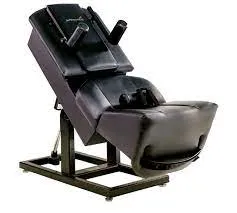
A lumbar herniated disc can make simple movements uncomfortable. Bending, sitting, walking, or standing may cause pain in the lower back. Some people may also feel pain, tingling, or numbness that travels into the leg. Because of this, many people look for care that does not involve surgery. DRX9000 spinal decompression may be considered as part of a non-surgical care plan for some people with lumbar disc problems.
Understanding a Lumbar Herniated Disc
The lower part of the spine contains small cushions called discs. They sit between the spinal bones and help absorb stress during movement. A herniated disc happens when the inner material of a disc pushes through a weakened area of its outer layer.
When this affects nearby nerves, symptoms can develop. Pain may travel from the lower back into the buttock or leg. Numbness, tingling, and weakness can also occur in some cases. However, symptoms can vary from person to person. Therefore, treatment should be based on the cause and severity of the problem.
What Is DRX9000 Spinal Decompression?
The DRX9000 is a computerized system used for non-surgical spinal decompression. During treatment, the system applies controlled pulling forces to the spine. The goal is to gently stretch the targeted area rather than place sudden stress on it.
This approach may create changes in the space between selected spinal segments. As a result, it may help reduce some mechanical pressure around discs and nearby spinal structures.
Still, it is important to keep expectations realistic. DRX9000 does not physically remove a herniated disc. Instead, it may be used to support comfort and function as part of a broader care plan.
How Can It Fit Into Non-Surgical Disc Care?
DRX9000 spinal decompression is usually not viewed as a stand-alone answer. Instead, it can be combined with other forms of conservative care when appropriate.
For example, a care plan may include gentle exercises to improve core strength and flexibility. Chiropractic care may also be considered to support spinal movement. In addition, posture and movement habits may need attention.
The goal is to address more than pain alone. Improving strength, movement, and daily habits can help a person manage activities more comfortably.
Who May Consider DRX9000?
Not every lumbar herniated disc is the same. The location of the disc problem, symptoms, overall health, and other spinal conditions can affect whether decompression is suitable.
Someone searching for DRX9000 near you should first have their condition properly assessed. A qualified provider can review symptoms and determine whether this type of care fits the situation.
For some patients, a gradual non-surgical plan may be worth considering before more invasive options. Results can vary, and treatment should be adjusted based on how the person responds.
What Can Patients Expect From a Broader Care Plan?
A non-surgical approach may involve several steps. Along with DRX9000 spinal decompression, a provider may recommend exercises, mobility work, posture changes, and other supportive therapies.
Progress is usually monitored over time. If symptoms improve, the plan can focus more on restoring comfortable movement and building strength. If symptoms continue or become worse, further medical evaluation may be needed.
People looking for DRX9000 near you should also understand that decompression is not suitable for every spinal condition.
When Should Back Pain Be Checked Promptly?
Mild or moderate back pain can have many causes. However, certain symptoms need prompt medical attention. These include severe or worsening weakness, major loss of sensation, or new problems controlling the bladder or bowel.
For suitable patients, DRX9000 spinal decompression can be one part of a carefully planned, non-surgical approach to lumbar herniated disc care. The right plan depends on the individual, the condition, and how symptoms respond over time.






Sign in to leave a comment.