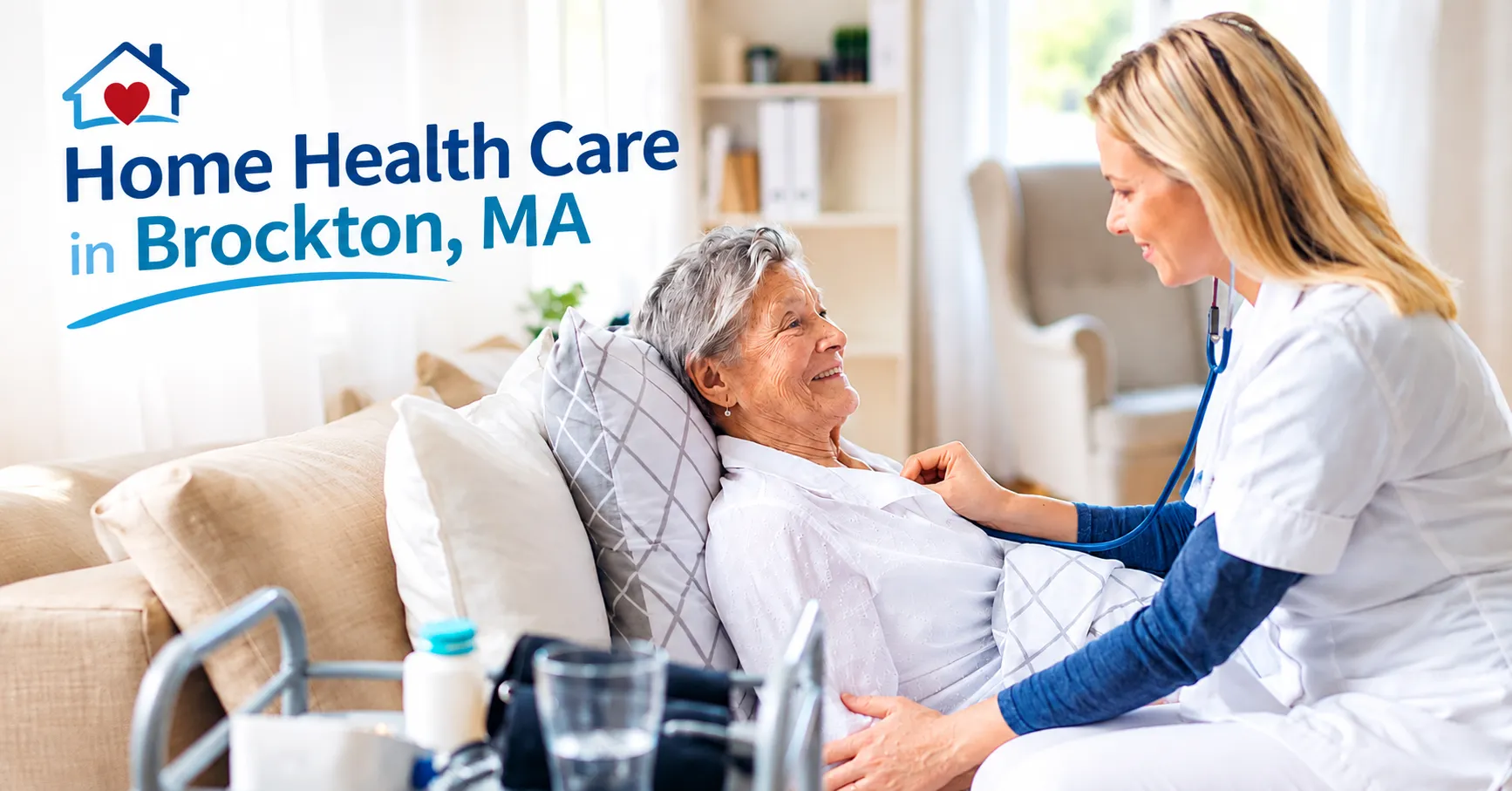

Recovering from knee replacement, stroke, or severe illness can be mentally taxing, and doing it inside a stark-white hospital room rarely helps. That’s where bringing care into a familiar setting gives one an edge, as it offers a real chance to rebuild strength on their terms. Across Plymouth County, local teams make that transition smooth, turning standard living spaces into safe recovery zones.
Nurses and physical therapists adapt each exercise to be as similar to the real home environment as possible so therapy is safe and realistic. And understanding how these professionals organize care allows families to have clear expectations, especially when looking for Brockton home health care.
In a Nutshell
- Tailored Care Protocols: How do therapists modify clinical routines for home environments?
- Safety and Mobility Tracking: Practical methods care teams use to monitor goals and prevent falls.
- Care Continuity: How does skilled home therapy reduce hospital readmissions and speed up physical recovery?
How Do Clinical Teams Custom-Tailor In-Home Therapy Protocols?
Floor Plan Evaluation & Benchmarking
Before the exercises begin, a physical therapist walks through the front door, evaluates the living space and sets a clear baseline. They look at daily movement patterns and current prescriptions, and they assess joint flexibility to make sure therapy encourages progression without damage:
- Spots Hidden Fall Hazards: Identifies loose throw rugs, low lighting in hallways, or high thresholds of doorways before a fall happens.
- Real-World Mobility Testing: Tests leg strength, balance, and stamina in real-life daily routines such as getting up from the couch.
- Fitting Practical Gear: Adjusts walkers, shower chairs, or grab bars so moving around feels secure right away.
This upfront assessment keeps recovery grounded in reality, and that’s why relying on a dedicated team, such as the one they got at “Brockton Home Health Care,” helps take the anxiety out of discharge from the hospital.
Coordination of Multi-disciplinary Therapy Services
Visiting teams include physical, occupational, and speech therapists so that every area of recovery is covered without a hitch. Physical therapy is about getting the core, balance, and ability to walk safely again.
Occupational therapy can help with everyday tasks like buttoning a shirt, showering, or preparing a quick meal without losing balance. Speech therapists work on vocal control, swallowing safety, and memory recall for people recovering from a stroke or neurological setback. Bringing these areas together in one plan will keep the daily progress from being too abstract or impractical.
How Do Caregivers Track Patient Progress and Mobility Goals Safely?
Tracking Vital Signs & Health Data
Home care includes regular clinical checks, so no one exceeds their limits. Therapists monitor vital signs before and after workouts, keeping an eye on blood pressure, pulse, and oxygen levels to catch overexertion early.
They do simple physical tests to see how far someone can walk unaided and change the number of daily repetitions according to actual pain levels. Watch for these physical signs, and you’ll continue to progress without painful setbacks and inflamed joints.
Prevents Readmissions Through Guided Mobility Goals
Therapists spend time coaching both the patient and family members on proper physical techniques:
- Teaches Safe Movements: Shows proper foot placement on hardwood, thick carpets, and slick bathroom tiles.
- Coaching Family Caregivers: Shows how to safely assist with transfers so no one strains their back.
- Watches for Warning Signs: Swelling, fluid levels in surgical wounds, and quick communication to doctors.
Experienced eyes on the recovery process don’t let the little things turn into big setbacks. Families can stay on track with the clinical safety net laid via a trusted professional, such as the likes of Brockton Home Health Care.
Conclusion
Rebuilding strength at home provides a comfortable, dignified way for patients to return to normal life. For home clinical teams, a practical safety check, a therapy routine tailored to the individual’s needs, and regular monitoring of progress can bring real independence within reach.
Experienced local caregivers provide the right care after a hospital stay to help protect your long-term health. So, when planning for home health care in Brockton, MA, look for a proven provider that offers compassionate, hands-on care for your loved ones.


























Sign in to leave a comment.