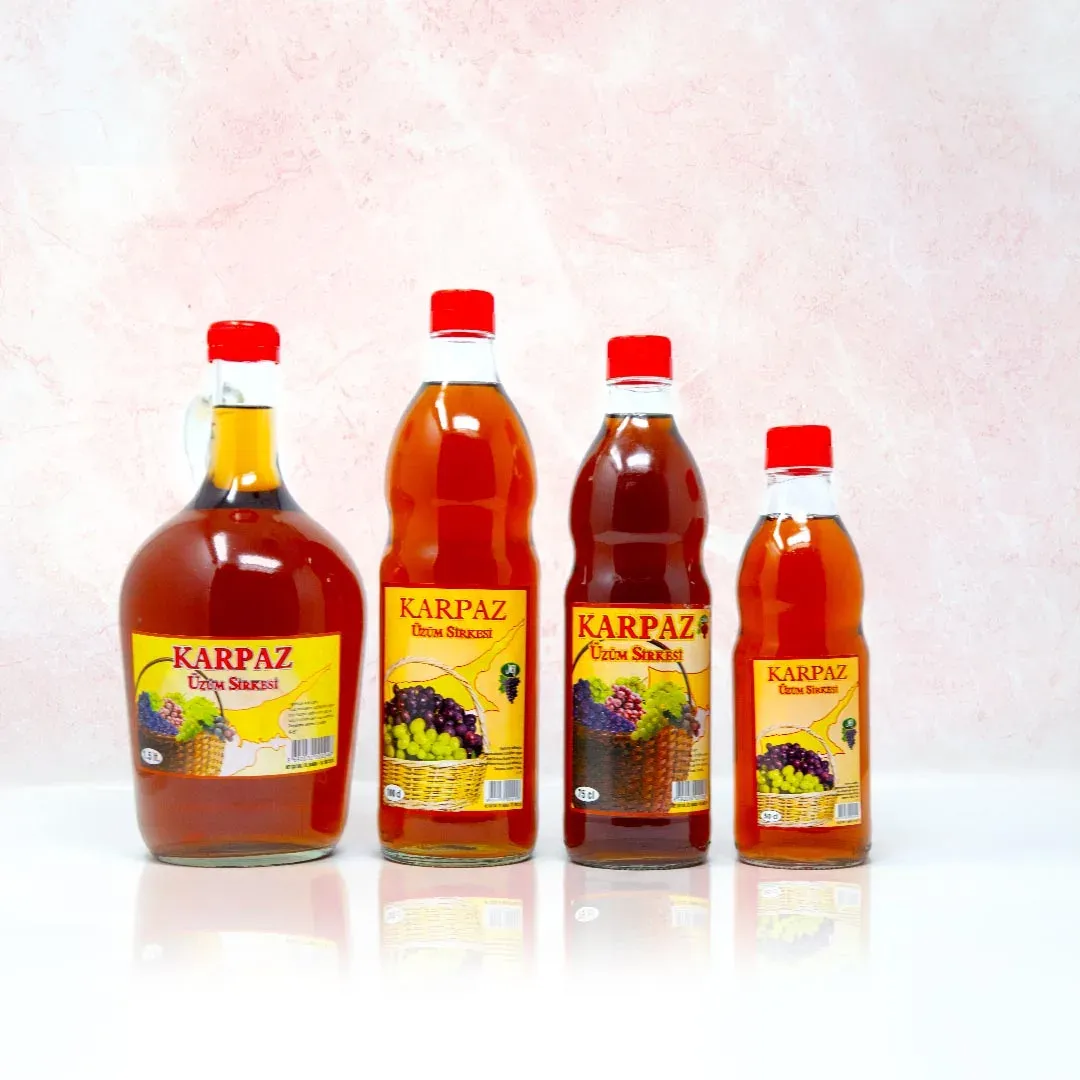

Private label alcohol is changing how retailers and distributors compete. Instead of just reselling someone else’s brand, businesses can now build a drink that’s entirely their own.
Finding the right top quality alcoholic beverages supplier is the first real step in that process, and it shapes everything that follows.
What Is Private Label Alcohol?
Private label alcohol means a beverage is produced by one company but sold under another company's brand name. The retailer or distributor owns the label, packaging, and marketing.
The producer handles formulation, distillation, and bottling. This model has existed in groceries for years and is now common in spirits too.
Why Retailers Choose This Model
A few clear reasons drive this trend:
- Brand ownership: You control the name, story, and identity of the product.
- Better margins: Cutting out a middleman brand often means better profit per bottle.
- Differentiation: A unique gin or vodka gives you something competitors can't copy.
- Flexibility: You can create limited editions tailored to your customers.
For distributors, private label products can also strengthen ties with retail partners who want something exclusive to offer.
The Production Process, Step by Step
Here are the production steps:
- Concept and formulation comes first. Maybe you want a boutique rakı with a specific aroma. Maybe it's a premium vodka for a younger audience. The producer works with you to shape that idea into a real recipe, deciding on base ingredients, flavor profile, strength, and distillation method. This stage takes real technical knowledge, not guesswork.
- Packaging and branding come next. Bottle shape, label design, and overall presentation need to feel like they were built specifically for your brand, not adapted from something generic.
- Compliance and quality control matter more than most people realize. A dependable producer handles international food safety standards, sources ingredients from trusted suppliers, and monitors quality continuously. Skipping this step can delay shipments or cause problems overseas.
- Production at scale follows once everything is approved. Facility size and equipment matter here, since larger, well-equipped distilleries handle bigger orders without sacrificing consistency.
- Export and distribution support closes the loop, covering documentation, logistics, and the regulatory requirements of each destination country. This matters most for distributors managing several regions at once.
Choosing the Right Partner
Not every producer offers the same support. Worth checking:
- Experience: Decades of production history usually means fewer surprises.
- Facility capacity: Can they scale as your brand grows?
- Product range: Some producers focus on one category. Others cover rakı, gin, brandy, vodka, and more.
- Global reach: A producer with existing international partnerships tends to understand export logistics better.
A Note on Vinegar
Many alcohol producers, particularly those working with grape-based spirits, also operate as a skilled vinegar producer. This isn't a coincidence.
Grape vinegar production shares raw materials and fermentation knowledge with spirits like brandy and rakı. For retailers looking to diversify, this crossover opens up a separate product line using the same trusted manufacturing partner.
Final Thoughts
Private label alcohol gives retailers and distributors a real chance to build something distinct in a crowded market. The process moves through several careful stages, from formulation to compliance to export, and the right partner makes all the difference.
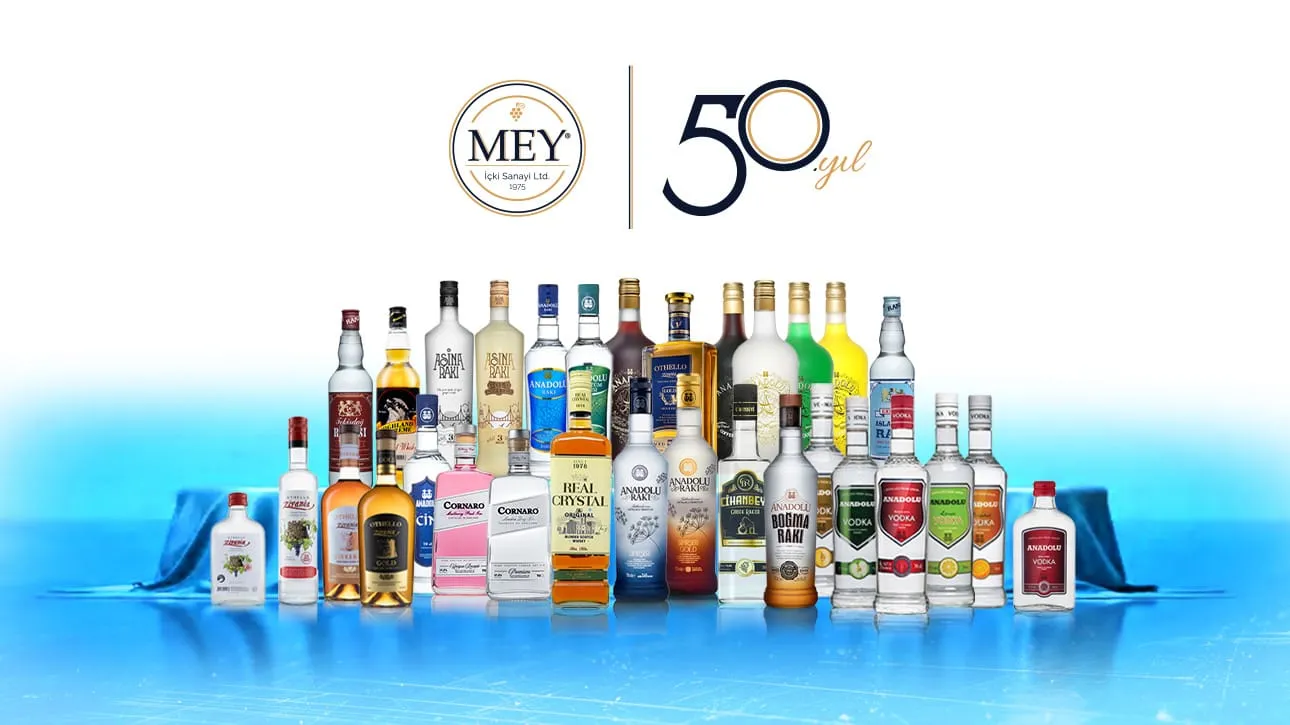
Companies like MEY İÇKİ SANAYI LIMITED have spent decades refining this exact process, blending traditional methods with modern facilities to support private label brands from concept through global export.
Whether you're launching your first private label spirit or expanding an existing line, working with an experienced partner takes much of the guesswork out and helps your brand reach the market with confidence.



















Sign in to leave a comment.