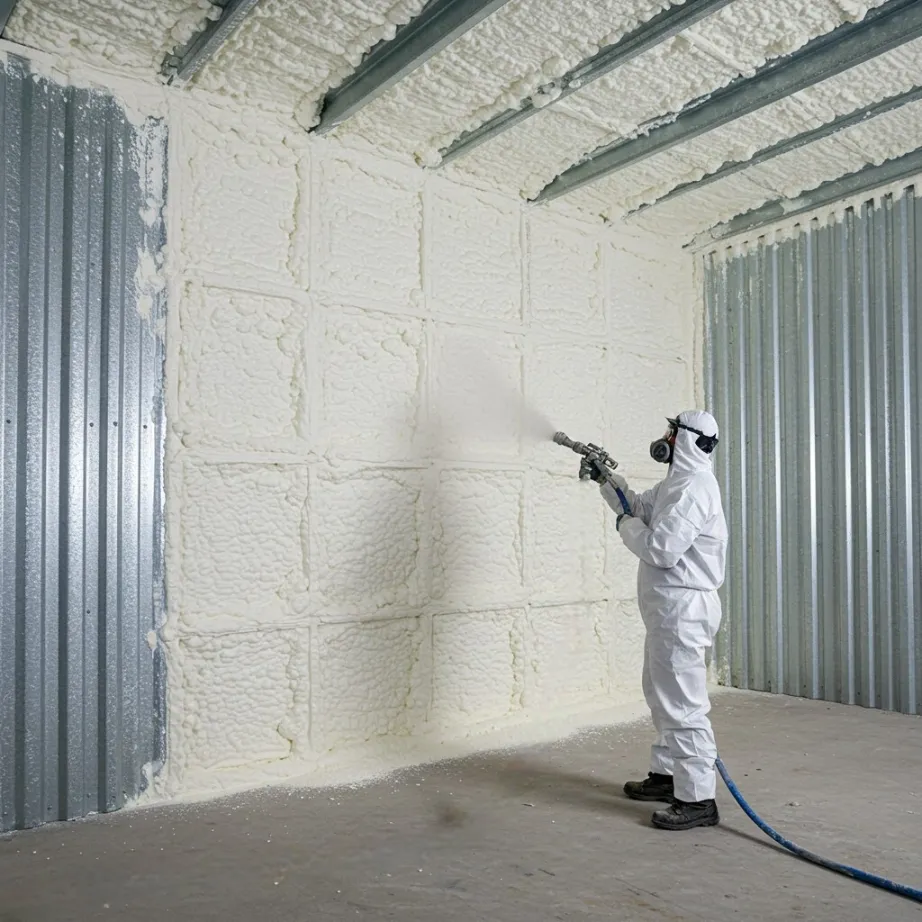

Choosing the right material for a home requires looking at long-term performance and local climate needs. When evaluating residential spray foam versus blown-in insulation, Henderson, NC homeowners often find that spray foam provides a superior air seal and higher thermal resistance per inch. Blown-in options like cellulose or fiberglass are cheaper upfront, but they often lack the ability to stop air leaks and can settle over time.
This guide provides a detailed look at how these two popular materials function in North Carolina homes. It includes information on cost, energy savings, and durability to help property owners make an informed choice. Expert knowledge of building science shows that the way insulation interacts with the local environment determines overall home comfort and monthly expenses.
Understanding The Core Performance Differences
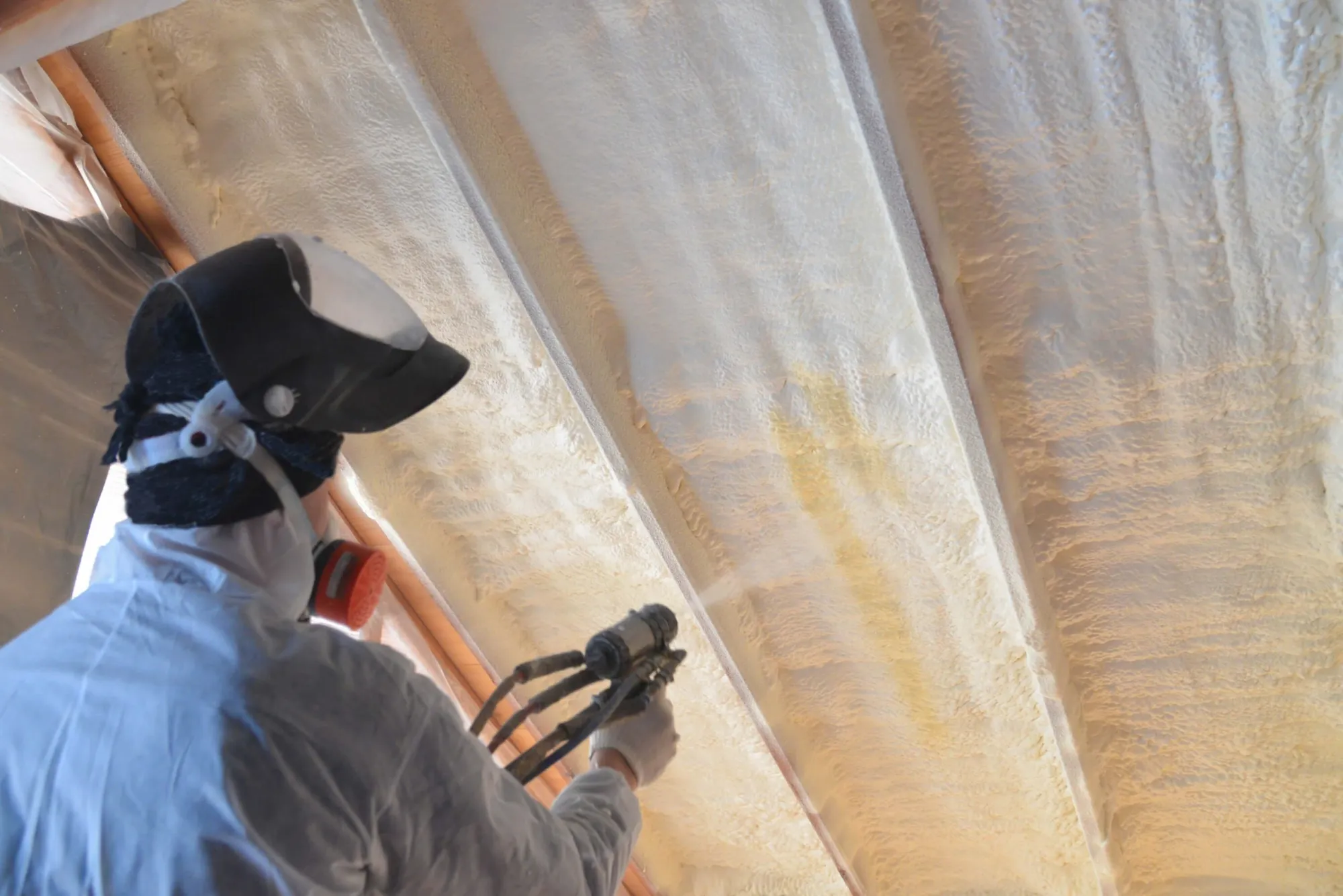
Spray foam acts as both a thermal barrier and an air sealant. It expands upon application to fill every small gap and crack in an attic or on walls. This expansion creates a tight envelope that prevents outside air from entering living spaces. Professional Insulation Services in Henderson, NC can help homeowners choose and install the right insulation solution to maximize energy savings.
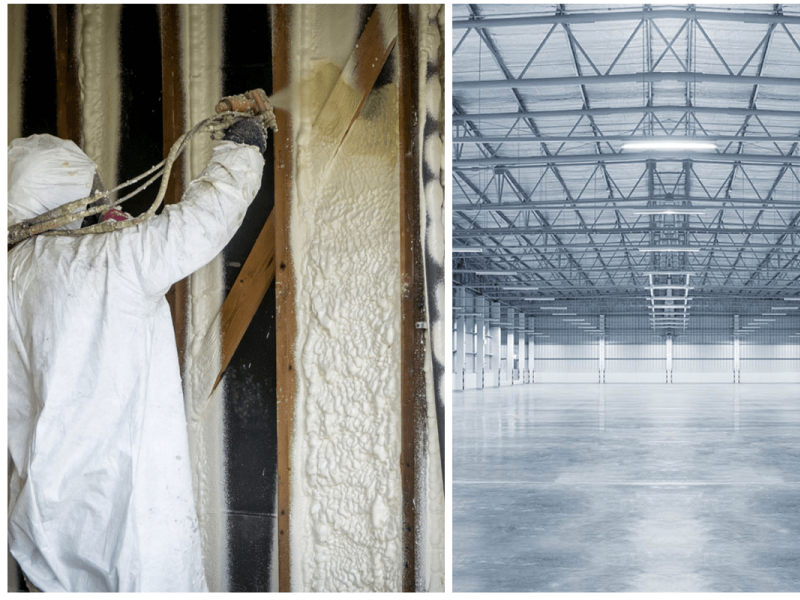
Blown-in insulation consists of loose particles that an insulation contractor blows into a space using a machine. While it fills the floor of an attic well, it does not stop air movement. Air can still pass through the material, which means an HVAC system might work harder than necessary. This is a major factor in any comparative insulation study.
Thermal Resistance And R Value Per Inch
R-value measures how well a material resists heat flow. Closed-cell spray foam typically offers an R-value of about 6.5 to 7.0 per inch. This high density allows for better thermal protection in thinner wall cavities. It is especially useful in older homes with limited space for thick layers of traditional materials.
Blown-in fiberglass or cellulose usually offers an R-value between 2.2 and 3.8 per inch. To meet modern building codes in North Carolina, a much thicker layer of this material is required. Over time, these loose materials can compress under their own weight. This compression reduces effectiveness and may require the addition of more material every few years.
How Spray Foam and Blown-In Insulation Affect Utility Costs in Henderson
The primary reason to upgrade is to lower monthly utility costs. Because spray foam seals air leaks, it addresses the biggest source of energy loss in most houses. Data shows that air leakage can account for up to 40% of a home's heating and cooling costs. By stopping this air exchange, conditioned air stays where it belongs.
When considering residential spray foam versus blown-in insulation, Henderson, NC, residents must account for the high humidity in the region. Blown-in materials can trap moisture if not ventilated properly. When insulation gets damp, its thermal performance drops significantly. Spray foam, particularly the closed-cell variety, does not absorb water and maintains its R-value even in humid conditions.
Efficiency Gains For HVAC Systems
An airtight home allows air conditioners and furnaces to run shorter cycles. This reduces wear and tear on expensive mechanical systems. It might even be possible to install a smaller, less expensive HVAC unit when the current one needs replacement because the heating and cooling load of the house is lower.
Bonus Tip: If blown-in material is chosen, always ensure the attic has proper baffles installed. These vents keep the insulation from blocking the airflow from soffits, which prevents moisture buildup under the roof deck.
Comparing Installation Time And Complexity
Installing blown-in insulation is a relatively quick process. A crew can often finish an entire attic in just a few hours. It is a less invasive procedure that involves running a hose into the attic space. However, it can be messy, as dust from cellulose or fiberglass particles may settle in nearby areas during the process.
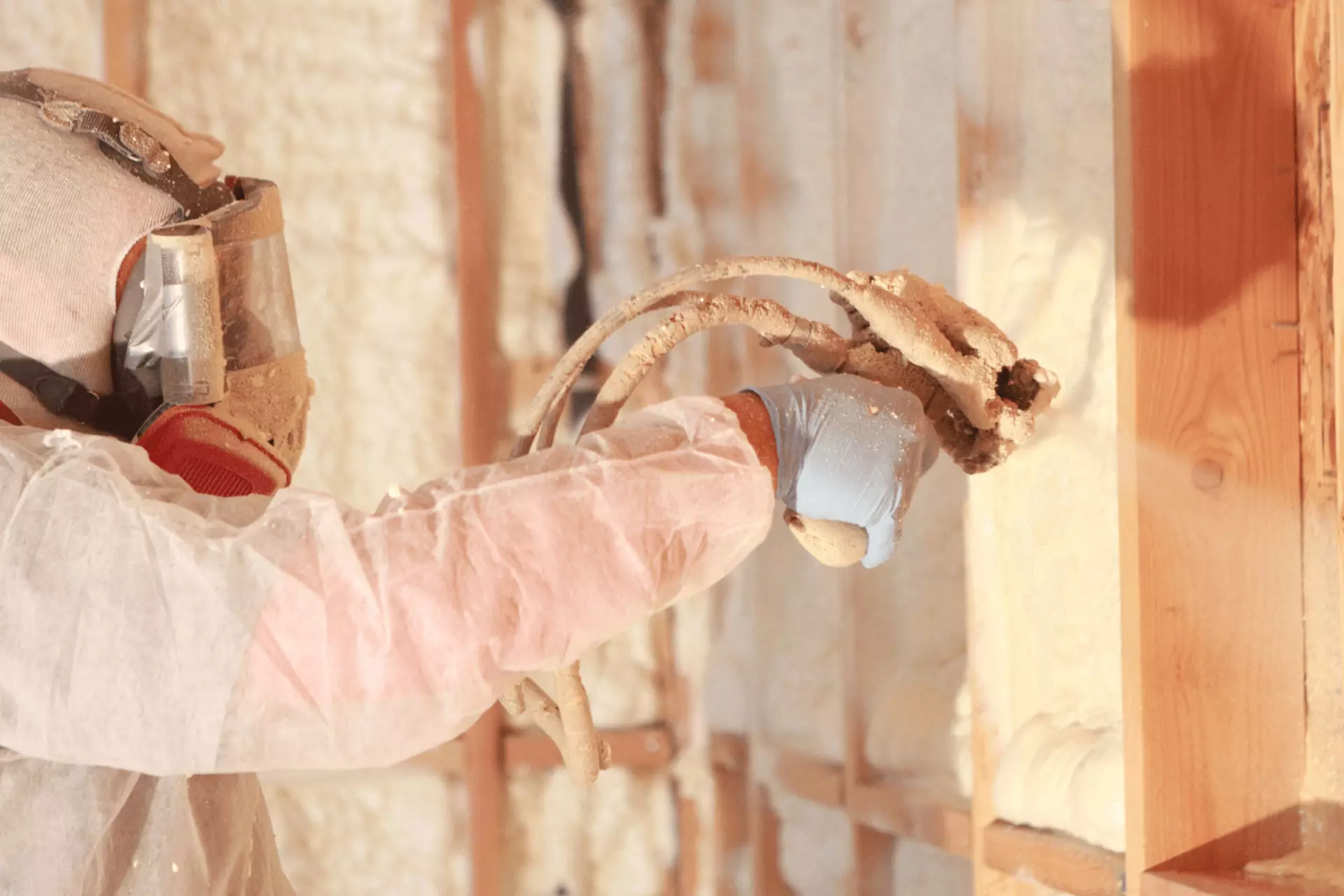
The installation of residential spray foam versus blown-in insulation differs because foam requires specialized equipment and safety gear. The chemicals are mixed at the nozzle and sprayed directly onto surfaces. Residents usually need to leave the home for 24 hours while the foam cures. While it takes more planning, the results are permanent and do not require future top-offs.
| Feature | Spray Foam Insulation | Blown-In Insulation |
|---|---|---|
| Air Sealing | Excellent (Built-in) | Poor (Requires separate sealing) |
| Moisture Resistance | High (Closed-cell is waterproof) | Low (Can absorb moisture) |
| Lifespan | 80+ Years | 20 to 30 Years (Settles over time) |
| R-Value per Inch | 6.5 to 7.0 | 2.2 to 3.8 |
| Installation Cost | Higher Initial Investment | Lower Initial Investment |
| Pest Resistance | High (Not a food source) | Moderate (Can be a nesting site) |
Maximizing Home Comfort Improvement
Traditional insulation often leaves "cold spots" in a house. These occur where the material has gaps or where air blows through the fibers. Certain rooms might be harder to cool in the summer. Using spray foam eliminates these drafts, leading to a more consistent temperature throughout the entire living space.
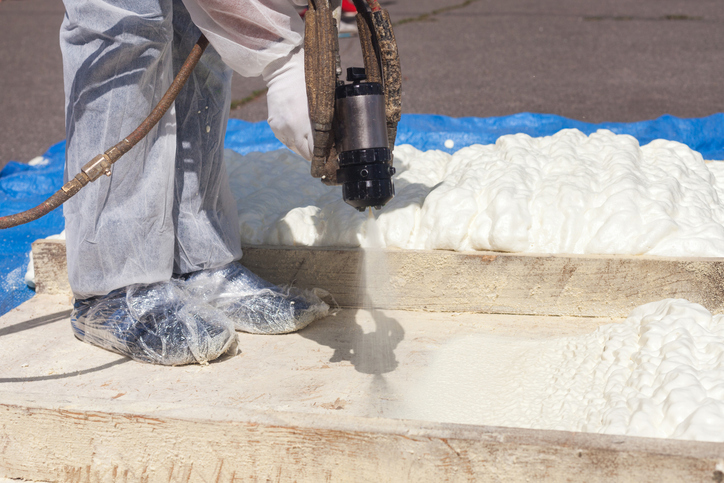
Energy-efficient home insulation also provides a quieter indoor environment. Open-cell spray foam is particularly good at absorbing sound waves. It reduces noise from outside traffic, lawnmowers, and neighbors. If a home is near a busy road in Henderson, this sound dampening is a significant benefit of professional insulation services.
Long-Term Durability and Maintenance
Blown-in material is prone to moving. If someone walks in the attic to perform electrical work or HVAC repairs, they often displace the insulation. This creates thin spots that leak heat. Property owners must be diligent about leveling the material back out to maintain the thermal envelope of the home.
Spray foam adheres to the structure of the building. It does not sag, settle, or shift over time. Once it is applied, it becomes a part of the house. This durability means property owners likely will not have to worry about insulation for the rest of the time they own the home. It is a permanent solution for most residents.
Specific Climate Considerations For Henderson Homeowners
The North Carolina climate brings heavy rain and high humidity levels. Closed-cell spray foam acts as a vapor barrier, which is helpful in preventing attic mold. In contrast, cellulose insulation is often made of recycled paper treated with chemicals. While it is fire-resistant, it can still hold moisture, which may lead to wood rot in rafters if a leak occurs.
In the comparison between residential spray foam and blown-in insulation, professionals often highlight the structural benefits. Closed-cell foam is very dense and actually adds structural strength to walls and the roof. This can be an advantage during high wind events or severe summer storms that occasionally pass through the Vance County area.
Bonus Tip: Before having any insulation installed, a professional should check the attic for existing mold or pest infestations. Covering up these problems with new material can lead to much larger expenses later.
Which Choice Is Best For A Budget
If the goal is the lowest possible upfront cost, blown-in insulation is the winner. It is an affordable way to bring an old home up to modern standards. Many utility companies also offer rebates for adding more blown-in material to an attic. It is a functional choice for those on a tight budget who need immediate relief from high bills.
If the plan is to stay in a home for five years or more, the spray foam insulation often outweigh the higher price. The monthly savings on utility bills can eventually cover the difference in installation costs. Additionally, the increased appraisal value of an energy-efficient home is a major plus when a homeowner eventually decides to sell the property.
Important Factors Before Hiring A Contractor
Property owners should always verify the experience of a chosen insulation contractor. Spray foam requires precise temperature control and mixing to ensure it cures correctly. Asking for references from other local homeowners who have had similar work done is a smart step. A quality installer will provide a thorough inspection of the home before giving a quote.
It is helpful to check if the company offers a warranty on its labor and materials. Reliable providers stand by their work and will address any issues that arise after the installation is complete. Homeowners should also ensure the team is familiar with local Henderson building codes to ensure the project meets all safety requirements.
Evaluating Unique Home Requirements
Each house has different requirements based on its age and construction style. A home with a crawl space might benefit more from foam on the floor joists. A house with a finished attic might need foam on the roofline to keep the space usable. Talking to an expert helps identify which areas of a home are losing the most energy.
In the debate over residential spray foam versus blown-in insulation in Henderson, NC, the best choice depends on financial goals and comfort priorities. While blown-in material is a traditional favorite, the modern sealing capabilities of foam are difficult to ignore. Taking the time to compare these options ensures the best return on investment.
Ready To Improve Home Efficiency In Henderson
Improving a home's thermal envelope is a smart upgrade. For those ready to see the difference, Raleigh Excel Spray Foam Insulation is a reliable resource. They offer a wide range of services, including Attic Insulation, Wall Insulation, and both Open and Closed Cell Spray Foam options. Their team understands the specific needs of North Carolina homes and provides free quotes to help plan projects. They can be reached at (919) 301-9435 or via email at [email protected] to discuss specific needs. Whether a project requires Residential Spray Foam Insulation or specialized Spray Foam Repairs, they have the expertise to help achieve a more comfortable and energy-efficient living environment.
Frequently Asked Questions About Home Insulation
Is spray foam safe for families and pets?
Yes, once the material has fully cured, it is inert and safe. Professionals require residents to stay out of the house during application and for a short period afterward to allow for proper ventilation of any odors or gases released during the chemical reaction.
Can blown-in insulation be installed as a DIY project?
While machines can be rented from home improvement stores, professional installation ensures even coverage. Experts know how to avoid covering recessed lights or blocking attic vents, which are common mistakes made during DIY projects.
Will spray foam prevent pests from entering an attic?
Spray foam is very effective at keeping pests out because it seals the small holes they use to enter. Unlike fiberglass or cellulose, it is not a soft material that rodents like to use for nesting, and it offers no nutritional value to insects.
Does spray foam insulation cause roof rot?
When installed correctly by an expert, spray foam does not cause rot. It is important to ensure there are no active leaks before application. Closed-cell foam actually helps protect wood by keeping it dry and preventing humid air from condensing on the underside of the roof.
How long does blown-in insulation actually last?
Most blown-in materials last about 20 to 30 years. However, they begin to settle and lose their R-value much sooner. It is common for homeowners to need a "top-off" layer every 10 to 15 years to maintain the desired level of thermal protection.






















Sign in to leave a comment.