

A junk car does not lose all its value simply because it no longer runs. Its age, mechanical condition, structural damage, missing components, and remaining usable materials all influence how it can be processed at the end of its life. Some vehicles contain parts suitable for reuse, while others are better suited to material recovery and metal recycling.
Understanding these differences helps vehicle owners make informed disposal decisions. It also explains why a Scrap Car Buyer may assess two vehicles of similar age differently, even when both are considered junk cars.
1. Mechanical Condition Determines Whether Parts Can Be Reused
A vehicle with a failed engine or transmission may still contain components that work properly. Recycling facilities and automotive dismantlers assess whether these parts can be recovered safely and economically.
For example, a car that no longer starts might still have usable:
- Alternators and starter motors
- Wheels and tires, depending on their condition
- Doors, mirrors, and body panels
- Seats and interior components
- Certain electrical and suspension components
When these parts are suitable for reuse, recovering them can extend their useful life and reduce the need to manufacture replacements.
However, extensive mechanical failure can make component recovery less practical. In such cases, the vehicle may proceed primarily through depollution, dismantling, and material separation.
2. Structural Damage Can Limit Recovery Options
Collision damage affects more than a vehicle's appearance. It can change which components remain safe to reuse and how easily the vehicle can be dismantled.
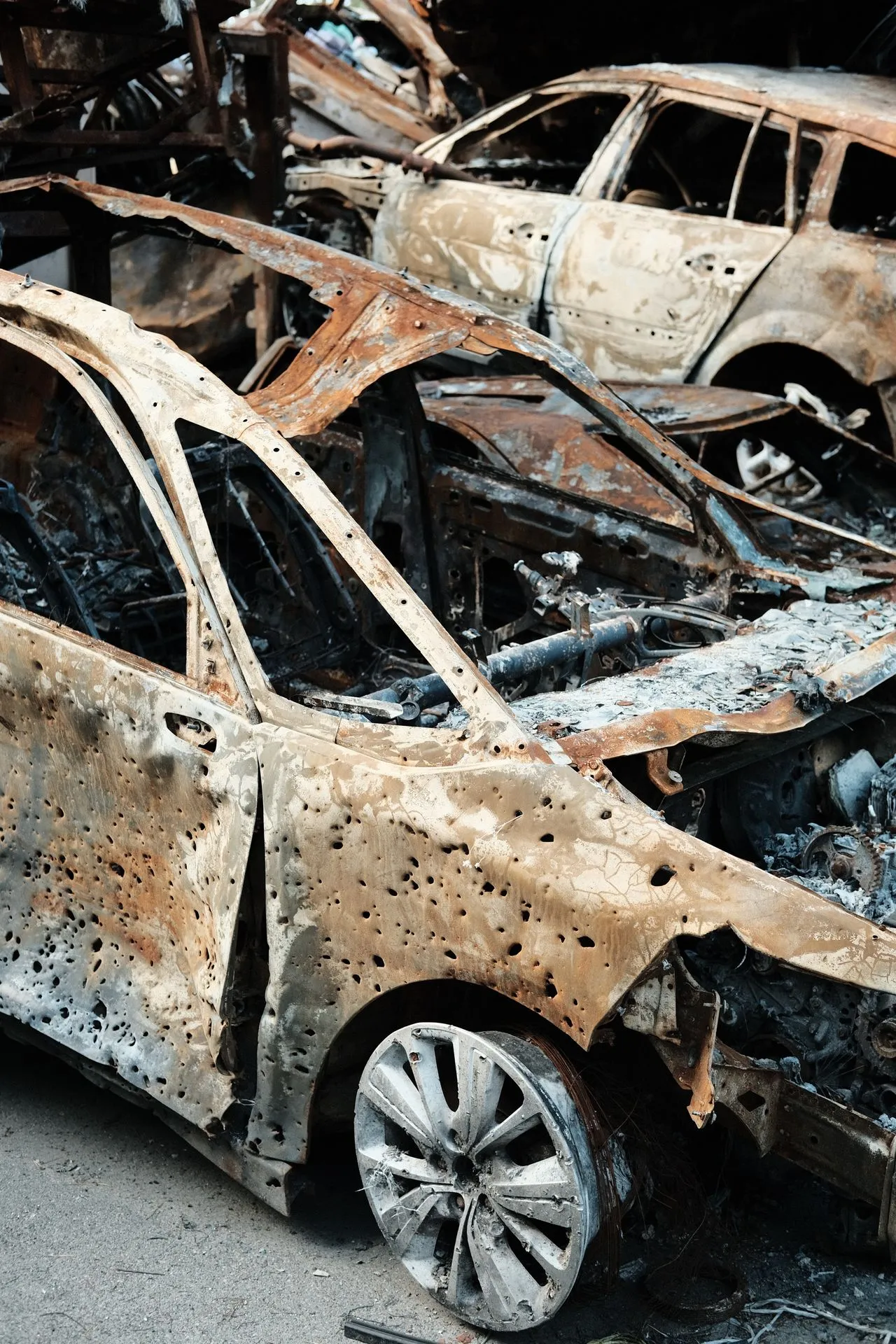
A car with minor body damage may retain many undamaged components. By contrast, a severely crushed vehicle may have bent structural members, damaged mounting points, and compromised safety systems.
These differences influence the recycling process.
- Minor damage: Undamaged parts may remain suitable for inspection and reuse.
- Moderate collision damage: Selected mechanical and interior components may still be recoverable.
- Severe structural damage: Material recovery may become the main practical option.
A damaged panel does not automatically make every nearby component unusable. Each part needs to be evaluated individually, particularly when safety is involved.
3. Missing Parts Change the Material Recovery Process
Some junk cars arrive at recycling facilities with their engines, wheels, catalytic converters, batteries, or other components already removed. This changes the amount and type of material available for recovery.
For instance, a vehicle missing its engine contains less recoverable engine metal and may have a different material composition than a complete vehicle. Missing wheels also affect the mix of materials entering the recycling process.
The impact depends on which components are absent.
- Missing engine or transmission: Reduces the quantity of recoverable components and associated metals.
- Missing catalytic converter: Removes a component containing recoverable metals, including small quantities of precious metals.
- Missing battery: Changes the handling requirements and removes a material stream that would otherwise need appropriate recovery.
- Missing wheels and tires: Reduces the amount of wheel metal and tire material available for processing.
A Scrap Car dealer may consider these differences when evaluating a vehicle. The absence of a component does not necessarily make the remaining car unsuitable for recycling, but it can change its potential value and processing route.
4. Rust and Corrosion Affect the Usability of Components
Rust is a common issue in older vehicles, particularly those exposed to moisture, road salt, and repeated temperature changes. Its effect depends on the location and severity of the corrosion.
Surface rust on a body panel may have little effect on the vehicle's overall recyclability. Deep corrosion around suspension mounting points, structural members, or mechanical connections can make parts unsuitable for reuse or more difficult to remove.
Corrosion can influence recycling in several ways:
- Fasteners may become difficult to remove during dismantling.
- Structural components may lose strength and become unsuitable for reuse.
- Corroded parts may require additional handling before separation.
- Metal recovery may remain possible even when the original component cannot be reused.
Steel and other metals can still be recovered from many rusted vehicles. However, recycling is not the same as restoring a component to working condition. Metal recovery does not depend on the part remaining functional in its original form.
5. Fluid Leaks and Hazardous Materials Require Proper Handling
A junk car may contain engine oil, coolant, transmission fluid, brake fluid, fuel, and other substances that require careful management. Damage to the engine, fuel system, or cooling system can increase the risk of leaks during storage, transport, or dismantling.
These substances must be handled before the vehicle moves through downstream material recovery operations.
A responsible recycling process generally includes:
- Inspecting the vehicle for leaks and damaged systems.
- Removing or managing fluids and other regulated materials using appropriate procedures.
- Handling the battery and other components according to their specific requirements.
- Separating reusable parts and recyclable materials.
- Sending recovered materials to suitable downstream processors.
A vehicle with extensive damage may require additional precautions, but its condition does not remove the need for proper depollution. A scrap car removal service should be part of a process that accounts for safe handling and appropriate recycling rather than treating the vehicle as ordinary waste.
6. Vehicle Completeness Influences Its Potential Value
The condition of a junk car affects both its reuse potential and the quantity of materials available for recovery. A complete vehicle may offer more opportunities than one that has already been stripped of valuable components.
However, completeness is only one factor.
A recycling assessment may consider:
| Assessment factor | Potential effect |
|---|---|
| Working mechanical components | May create opportunities for parts reuse |
| Engine or transmission failure | Can reduce reuse options while leaving metal recovery possible |
| Severe collision damage | May shift the focus toward material recovery |
| Missing components | Reduces the available parts and material mix |
| Extensive corrosion | Can limit component reuse and complicate dismantling |
| Vehicle size and metal content | Influences the quantity of recoverable materials |
The vehicle's make, model, year, weight, and current scrap metal market conditions can also affect its economic value. Therefore, two vehicles in similar overall condition may still receive different assessments.
7. Why Some Junk Cars Are Dismantled While Others Are Shredded
A vehicle's condition helps determine whether individual components should be removed before the remaining body is processed.
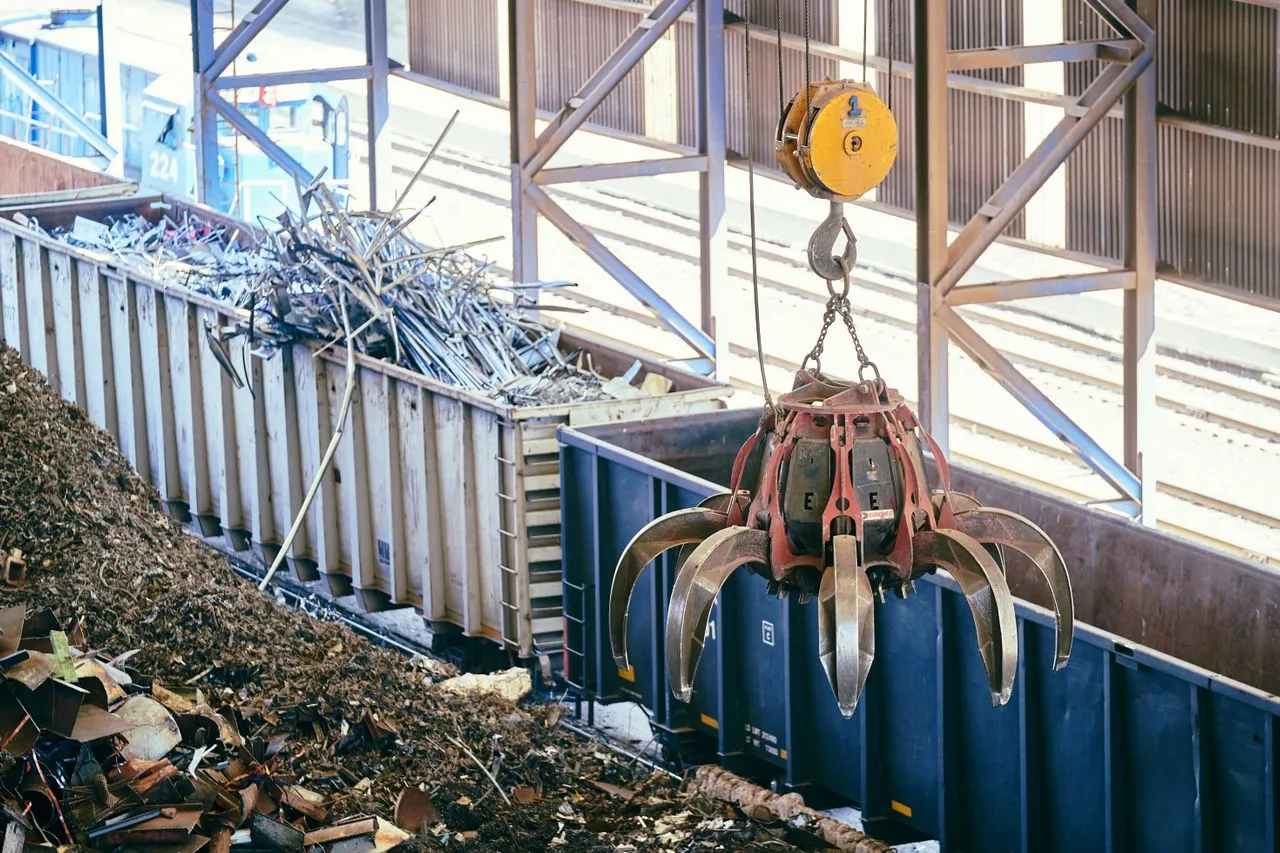
When a car contains reusable parts, dismantling can preserve components that still have practical value. After suitable parts and regulated materials are removed, the remaining shell may be sent for shredding and further material separation.
For a severely damaged or incomplete vehicle, extensive parts recovery may not be economical. The process may focus more heavily on preparing the vehicle for metal recovery.
After shredding, separation systems can help distinguish ferrous metals, such as steel, from non-ferrous metals, such as aluminium. Other residual materials require different handling and may not be recovered as effectively.
This distinction matters because a car can be unsuitable for repair but still useful as a source of secondary raw materials. Its recycling route depends on which components can be recovered and what materials remain.
8. How Vehicle Owners Can Support Better Recycling Outcomes
Vehicle owners do not need to repair a junk car before arranging its removal. In many cases, attempting expensive repairs on a vehicle that has reached the end of its useful life may not be worthwhile.
Instead, owners can provide accurate information about the vehicle's condition and help ensure that its disposal is handled appropriately.
Consider these practical steps:
- Describe the damage accurately: Mention engine failure, collision damage, corrosion, or major missing parts.
- Disclose fluid leaks: Inform the removal provider about known fuel, oil, or coolant leaks.
- Avoid removing components without understanding the consequences: Missing parts can change the vehicle's assessment and the material recovery options.
- Prepare ownership documentation: Follow the applicable provincial requirements for transferring or disposing of the vehicle.
- Ask about the recycling process: Understand whether the vehicle will be dismantled, depolluted, and directed toward appropriate material recovery.
Working with a suitable Scrap Car Buyer can help owners arrange the next step based on the vehicle's actual condition rather than assuming that a non-running car has no remaining value.
Conclusion
The condition of a junk car affects how much of it can be reused, which components need special handling, and how the remaining materials can be recovered. Mechanical failures may leave useful parts intact, collision damage can limit safe reuse, and missing components can change the available material mix. Rust and fluid leaks introduce additional handling considerations without necessarily preventing metal recycling.
A scrap car removal service can help move an end-of-life vehicle into the appropriate disposal and recovery process. By evaluating the vehicle's completeness, damage, and remaining materials, a Scrap Car dealer can determine which recycling options are practical.
Ultimately, responsible vehicle recycling is not simply about whether a car runs. It is about identifying what can still be used, managing hazardous materials correctly, and recovering the remaining resources wherever practical.





















Sign in to leave a comment.